
As we step into the world of meteorology, one crucial tool stands out – the anemometer. But what exactly is an anemometer? In this article, we’ll delve into the history, types, and uses of anemometers, as well as provide a DIY guide to building your own anemometer.
What is an Anemometer?
An anemometer is a device that measures the speed of gases, typically air, which makes up the wind. But did you know that it’s not just for measuring wind speed? It can also be used to measure other types of airflow, such as in industrial settings or for scientific research.
The Origins of Anemometers
The term “anemometer” comes from the Greek words “anemos,” meaning wind, and “metron,” meaning measurement. This dates back to the 15th century, when anemometers were first developed as mechanical devices to measure wind speed.
Over time, anemometers have evolved to become more sophisticated and accurate. Today, there are various types of anemometers available, each designed for specific purposes such as measuring wind speed at ground level, on a horizontal plane, or in combination with temperature measurements.
Types of Anemometers
There are several types of anemometers, each designed for specific purposes:
- Anemometer a ventolina: measures wind speed at ground level and is commonly used in weather stations.
- Anemometer a filo caldo: measures wind speed and temperature, making it ideal for studying turbulence.
- Anemometer a coppette: measures wind speed on a horizontal plane and is often used in aviation.
Choosing the Right Anemometer
When selecting an anemometer, consider the following factors:
- Precision: look for anemometers with high precision and accuracy
- Range: choose an anemometer that can measure speeds within your desired range
- Cost: set a budget and balance it with the features you need
Anemometer Applications
Anemometers have a wide range of applications across various industries, including:
- Weather forecasting: accurate wind speed measurements are crucial for predicting weather patterns.
- Aviation: anemometers help pilots navigate through turbulence and ensure safe flight conditions.
- Renewable energy: anemometers measure wind speeds to optimize turbine performance and increase energy production.
- Industrial settings: anemometers monitor airflow in factories, warehouses, and other industrial facilities.
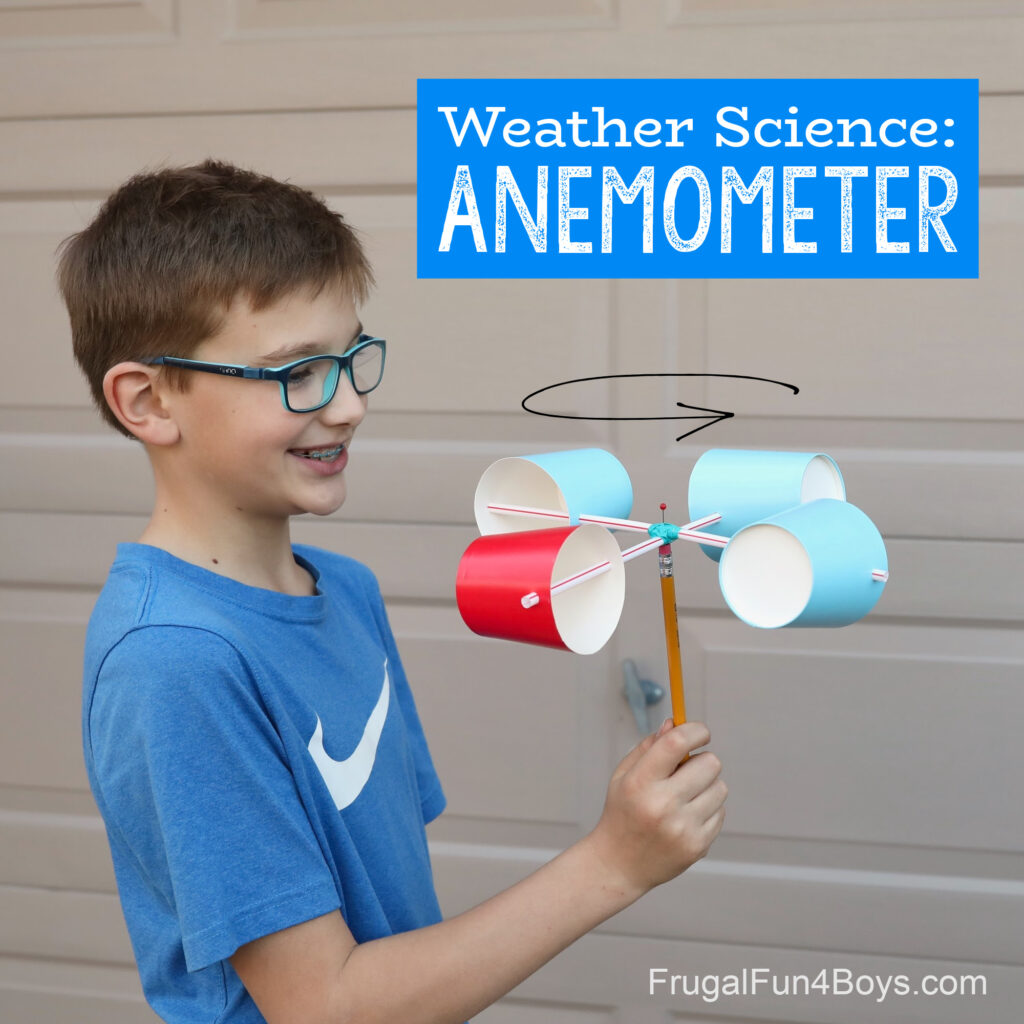
DIY Anemometer: Building Your Own Wind Speed Sensor
Want to build your own anemometer? Here’s a simple guide:
Materials needed:
- 5 cups or cones (120 ml)
- A pencil
- Adhesive tape
- A pinhole drill
- 2 pipes or tubes
Instructions:
- Cut the cups or cones to varying heights and attach them to the pipe using adhesive tape.
- Create a pinhole drill hole in each cup, allowing air to flow through while maintaining accuracy.
- Assemble the anemometer by attaching the cups to the pipe.
Portable Anemometers for Outdoor Enthusiasts
For those who love camping or outdoor activities, there’s a portable wind sensor available on Amazon that measures wind speed and direction. Perfect for tent enthusiasts!
- Measures wind speed and temperature
- Covers speeds from 0 to 30 m/s
- Can measure temperatures from -10°C to -45°C
Conclusion: Understanding Anemometers for Better Wind Measurement
In conclusion, understanding anemometers is crucial for anyone interested in meteorology or outdoor activities. By choosing the right anemometer and following a DIY guide, you can build your own wind speed sensor or purchase a portable one for precise measurements.
Whether you’re a seasoned meteorologist or just starting out, learning about anemometers will provide valuable insights into the world of wind measurement. With their wide range of applications and various types available, anemometers are an essential tool in many industries.
Frequently Asked Questions (FAQs)
- What is an anemometer used for?
An anemometer measures wind speed and direction. - How do I choose the right anemometer?
Choose an anemometer based on your desired precision, range, and cost. - Can I build my own anemometer?
Yes, you can build a simple anemometer using cups or cones and pipes. - What is the most accurate type of anemometer?
The anemometer a filo caldo is known for its high accuracy in measuring wind speed and temperature. - Can I use an anemometer indoors?
No, anemometers are designed to measure outdoor airflow, so it’s not recommended to use them indoors. - How accurate are portable anemometers?
Portable anemometers can be less accurate than fixed anemometers but still provide reliable measurements. - Can I use an anemometer for scientific research?
Yes, anemometers can be used in scientific research to study wind patterns and turbulence. - Are there any environmental concerns with using an anemometer?
Anemometers do not have any significant environmental impact when used properly.
By understanding the basics of anemometers and following these guidelines, you’ll be well on your way to becoming a wind measurement expert.


