
Introduction
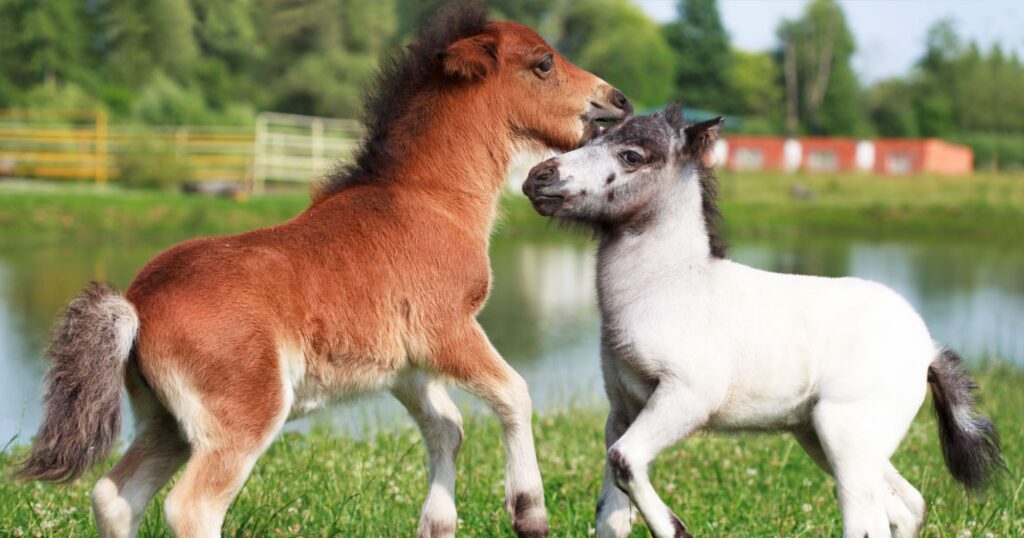
In the world of horse breeding, there are many fascinating breeds that come in all shapes and sizes. One such breed is the Falabella, a tiny horse from Argentina that has gained popularity worldwide for its unique characteristics and gentle nature.
Origins of the Falabella
The origins of the Falabella date back to the 19th century when it was bred on the Recreo de Roca ranch in Argentina by the Falabella family. After selecting horses with desirable traits, they created a miniature horse breed that would eventually become known as the Falabella.
Size and Weight
One of the most distinctive features of the Falabella is its small size. Males typically reach an height of 90 cm (35 inches) at the withers and weigh between 100 kg (220 lbs). Despite its tiny stature, the Falabella is a robust and sturdy horse.
What’s a Pony?
While often referred to as a “pony,” the Falabella is not a true pony. Ponies have distinct anatomical features that set them apart from horses like the Falabella, which retain the proportionate body shape of a small horse.
Differentiating Between Ponies and Horses
To distinguish between ponies and horses, look for these key differences:
- Height: Ponies typically stand under 130 cm (51 inches) at the withers.
- Body proportions: Ponies tend to have shorter legs in proportion to their body size compared to horses.
- Bone structure: Ponies often have a more compact bone structure than horses, which can make them appear slightly different.
Rarity and Price
The Falabella is considered a rare breed, especially outside of Argentina. Its price varies depending on the breeder, location, and quality of the horse.
- Prices in Italy: The prices range from €800 to over €5,000.
- Rare Variations: Some unique variations, like “Appaloosa Leopard,” can cost upwards of €10,000 due to their rarity.
Specialized Care
Due to its small size, the Falabella requires specialized care. Here are some key considerations:
- Space Requirements: A minimum of 2,000 square meters (21,528 sq ft) of enclosure space is recommended.
- Diet and Nutrition: Provide a balanced diet that includes high-quality hay and limited grains.
Temperament and Training
The Falabella is known for its friendly and social nature. Here are some key aspects to consider:
- Training Needs: While the Falabella is generally docile, it may require training to ensure proper behavior.
- Socialization: The Falabella thrives on companionship; keeping it with other horses can help reduce stress.
Life Expectancy
With proper care and attention, the Falabella can live for up to 30 years or more.
Frequently Asked Questions
Here are some key questions about the Falabella breed:
- What is a Falabella?
- The Falabella is a miniature horse breed from Argentina known for its small size and gentle nature.
- How big are Falabella horses?
- Males typically reach a height of 90 cm (35 inches) at the withers and weigh between 100 kg (220 lbs).
- Are Falabella horses considered ponies?
- No, they are not considered true ponies due to their distinct anatomical features.
- How much do Falabella horses cost?
- Prices vary depending on the breeder, location, and quality of the horse but can range from €800 to over €5,000.
- Do Falabella horses require specialized care?
- Yes, they need a minimum of 2,000 square meters (21,528 sq ft) of enclosure space and a balanced diet.
Health Considerations
As with any horse breed, the Falabella is prone to certain health issues. These include:
- Respiratory problems: Due to their small size, Falabella horses are more susceptible to respiratory problems.
- Musculoskeletal issues: The Falabella’s compact body can lead to musculoskeletal issues if not properly cared for.
Health Testing and Screening
To minimize the risk of health problems, regular testing and screening are recommended. This includes:
- Veterinary check-ups: Regular check-ups with a qualified veterinarian can help identify any potential health issues early on.
- Genetic testing: Genetic testing can help identify inherited health issues that may be present in the Falabella breed.
Breeders and Breed Associations
Finding a reputable breeder who prioritizes the health, well-being, and genetic diversity of their horses is crucial. Here are some key considerations:
- Reputation: Research the breeder’s reputation and ask for references from other customers.
- Registration: Look for breeders who register their Falabella horses with recognized breed associations.
Conclusion
The Falabella is a unique and fascinating horse breed that offers many rewards for those willing to provide specialized care and attention. While its rarity and high price may be deterrents for some, the Falabella’s gentle nature, social personality, and robust health make it an ideal choice for experienced horse owners who are looking for a miniature companion.


