
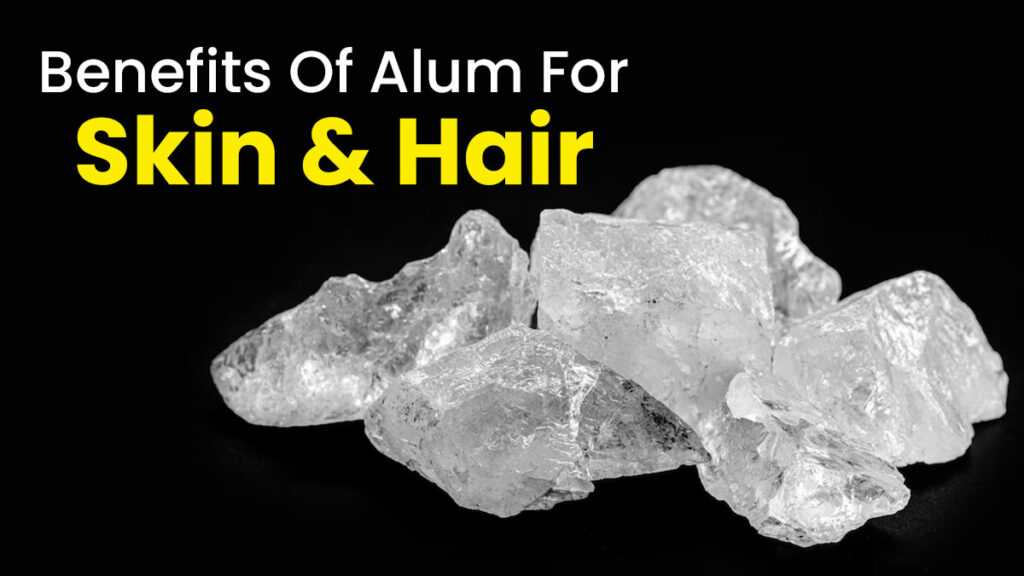
As we navigate the world of natural remedies and household products, it’s not uncommon to come across unfamiliar ingredients like alum. Also known as potassium aluminum sulfate or rock salt, alum has been a staple in various industries for centuries. In this article, we’ll delve into the history of alum, its uses, controversies, and potential risks.
What is Alum?
Alum is a naturally occurring mineral compound composed of potassium and aluminum salts. Its chemical formula is KAl(SO4)2·12H2O. The term “allume” refers to the solfate doppio (double sulfate) of a metal, in this case, potassium and aluminum, combined with 12 molecules of water.
History of Alum
Before the advent of synthetic colorants, alum was widely used as a fixative for natural dyes. The use of alum in textile production dates back to ancient China, where it was employed by Chinese artisans to dye silk fabrics. Additionally, alum has been used throughout history in various industries such as medicine and food processing.
In modern times, alum is primarily employed by those who prepare natural dyes to color fabrics like silk and wool. Alum is also used as a deodorant, foot powder, and refrigerator absorbent. Furthermore, it’s used in personal care products as an allergen-friendly deodorant and emollient.
Uses of Alum
Alum has various practical applications:
- Natural dyeing: Alum was previously used to fix colors on fabrics.
- Deodorant and foot powder: Alum can be used to naturally eliminate body odor and soften feet.
- Refrigerator absorbent: Alum can absorb moisture from the air, making it useful for controlling humidity in the fridge.
- Cleaning agent: Alum has been known to act as a mild detergent substitute.
The Benefits of Using Alum
Using alum offers several benefits:
- Environmentally friendly: Alum is non-toxic and environmentally friendly, making it an attractive alternative to synthetic products.
- Cost-effective: Alum can be found naturally or synthesized at a lower cost than many commercial alternatives.
- Multi-purpose: Alum has multiple uses, such as in natural dyeing, deodorant applications, and even as a refrigerator absorbent.
Controversies Surrounding Alum
There is ongoing debate about the potential toxicity of alum. Some people have raised concerns about its possible carcinogenic effects due to the presence of aluminum salts. However, research has not conclusively linked alum to cancer.
The controversy surrounding alum is largely centered around its potential health risks:
- Exposure to aluminum: Aluminum is a known neurotoxin and potential allergen.
- Cancer risk: There have been concerns about the carcinogenic effects of aluminum exposure.


