
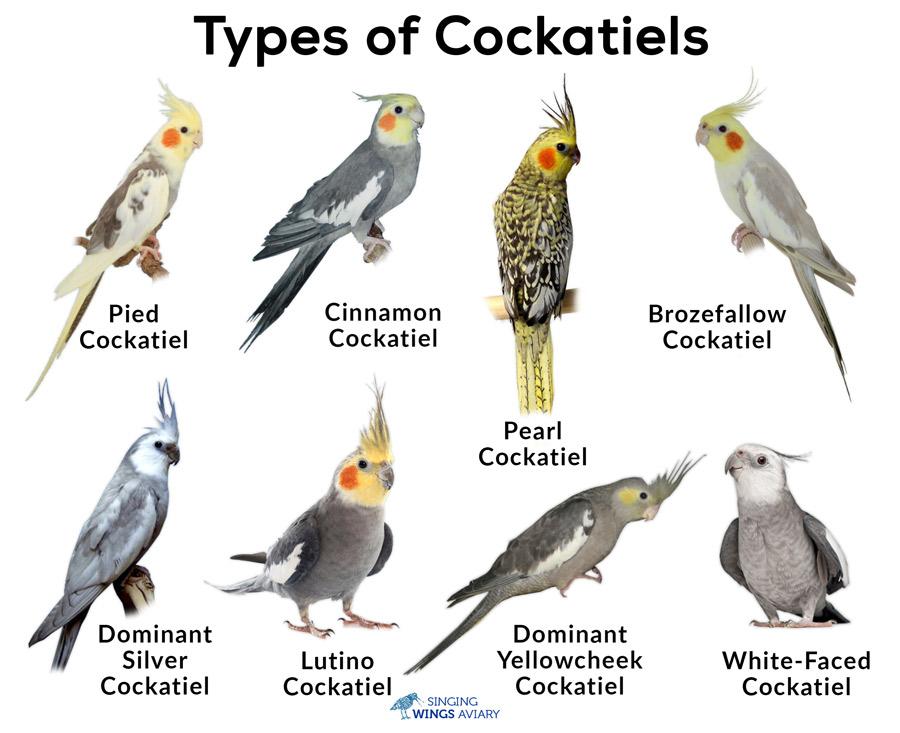
If you’re looking for a feathered companion that’s sure to brighten up your home, look no further than the Calopsite. This tiny parrot is known for its vibrant colors and lively personality, making it an ideal pet for those who want a bird that’s both entertaining and affectionate.
What Makes the Calopsite Special?
The Calopsite, scientifically known as Nymphicus hollandicus, is a small parrot species that belongs to the family of cacatua. Despite its tiny size, this bird has a big personality and can make an excellent companion for those who are willing to provide the necessary care and attention.
Color: The Calopsite’s Visual Appeal
One of the most striking features of the Calopsite is its coloration. With shades of grey, yellow, and white dominating its plumage, this parrot is a sight to behold. In its natural habitat, the Calopsite’s colors are more subdued, with a focus on grays and whites. However, in captivity, these birds can display a wider range of vibrant colors, making them a true showstopper.
The Calopsite’s coloration can vary depending on the individual bird, but it typically features a grey or white head, yellow or orange beak, and blue or green eyes. The body is covered in soft, feathery plumes that add to its overall charm. When the sun catches the Calopsite’s feathers, they can shimmer and glow, making this parrot look like a little ball of sunshine.
Character: The Calopsite’s Social Nature
The Calopsite is known for its friendly and outgoing personality. This parrot loves to interact with its human caregivers and will often engage in playful activities such as playing with toys or singing along to music. One of the best ways to gauge a Calopsite’s mood is by looking at its crest, which can be raised or lowered depending on the bird’s emotions.
When the Calopsite feels happy and content, its crest is typically held high, giving it a proud and confident appearance. However, if the bird is feeling stressed or anxious, its crest may be lowered, and its feathers may become ruffled. By paying attention to your Calopsite’s crest, you can get a better sense of its emotional state and provide the necessary care and comfort.
Health and Wellness: Common Issues
While generally a healthy species, the Calopsite can be prone to certain health issues, such as mineral deficiencies in female birds during egg-laying. Regular diet and supplements can help prevent these issues, making it essential to provide a balanced and nutritious diet for your feathered friend.
Other common health issues that affect the Calopsite include respiratory problems, such as bronchitis or pneumonia, which can be caused by viral or bacterial infections. Regular veterinary check-ups and a clean living environment can help prevent these issues from developing.
Care and Maintenance: Tips for Owners
To keep your Calopsite happy and healthy, it’s crucial to provide regular exercise and mental stimulation. Provide toys that allow for natural behavior, such as climbing and exploring, and ensure the cage is spacious enough for your bird to move around comfortably.
Aim to spend at least 30 minutes a day with your Calopsite, engaging in activities such as playing with toys or singing together. This will help strengthen your bond and keep your parrot entertained and stimulated.
In addition to providing mental stimulation, it’s also essential to maintain a clean living environment for your Calopsite. Remove soiled bedding regularly, clean the cage thoroughly, and disinfect any surfaces that may have come into contact with waste or bacteria.
Housing and Environment
When it comes to housing and environment, there are several factors to consider when keeping a Calopsite as a pet.
First and foremost, the cage should be spacious enough for your parrot to move around comfortably. A minimum of 18 inches wide x 24 inches deep x 30 inches tall is recommended for the cage.
In addition to providing ample space, the cage should also be well-ventilated and protected from drafts. This will help prevent respiratory problems and keep your Calopsite comfortable.
The room where the cage is located should also be free from distractions, such as loud noises or bright lights, which can stress your parrot out. A quiet, peaceful environment with plenty of natural light is ideal for a Calopsite.
Diet and Nutrition
Feeding your Calopsite a balanced and nutritious diet is essential for its health and well-being. A high-quality commercial pellet should be the main staple of your parrot’s diet, supplemented with fresh fruits and vegetables daily.
Fresh water should always be available, and it’s recommended to change the water bowl daily to prevent bacterial growth.
Avoid giving your Calopsite table scraps or junk food, as these can be detrimental to its health. Stick to a balanced and nutritious diet specifically formulated for parrots.
Conclusion: Why You Should Consider a Calopsite
If you’re looking for a pet that’s both entertaining and affectionate, the Calopsite is an excellent choice. With its vibrant colors, playful personality, and low-maintenance care, this small parrot species is sure to delight even the most seasoned bird enthusiast.
Frequently Asked Questions (FAQs)
- What is the average lifespan of a Calopsite?
The average lifespan of a Calopsite is around 15-20 years in captivity. - Can I keep multiple Calopsites together?
While it’s possible to keep multiple Calopsites together, it’s essential to introduce them slowly and under close supervision to prevent conflicts. - Do Calopsites make good pets for children?
Yes, Calopsites can make excellent pets for families with children who are gentle and respectful of birds. - Can I train my Calopsite to talk?
While Calopsites are known for their ability to mimic human speech, they may not learn to talk as readily as other parrot species. - How often should I clean the cage?
It’s essential to clean the cage at least once a week, removing soiled bedding and replacing it with fresh material. - Can I take my Calopsite for flight lessons?
No, Calopsites are not suited for flight lessons due to their small size and delicate wings. - How much space does a Calopsite require in its cage?
A minimum of 18 inches wide x 24 inches deep x 30 inches tall is recommended for the cage. - Can I feed my Calopsite table scraps?
No, it’s essential to stick to a balanced and nutritious diet specifically formulated for parrots.
By understanding the needs and characteristics of the Calopsite, you can provide a happy and healthy environment for this delightful bird. With proper care and attention, your Calopsite will thrive and bring joy and companionship into your life.


