
As a cat lover, understanding the process of cat breeding is essential to ensure the health and well-being of both the cats involved and the kittens they produce. In this article, we will delve into the world of cat breeding, covering the biological aspects, preparation, breeding process, environment, interaction, pregnancy, ethical considerations, and responsibility.
Biological Breeding in Cats: Understanding the Reproductive Cycle
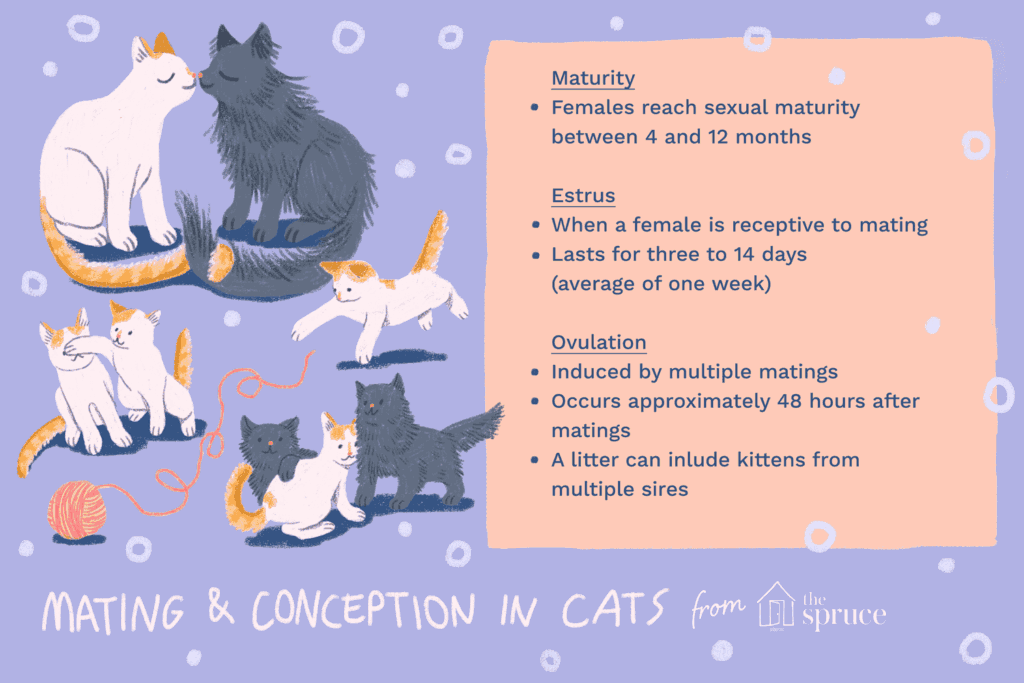
Cats are mammals that undergo a reproductive cycle, similar to humans. The female cat’s reproductive cycle is characterized by a variable duration between 7-10 days, during which she exhibits sexual behavior and physical signs that indicate her availability for breeding. The cycle can be divided into four phases: proestrus, estrus, metestrus, and diestrus.
Cycles in Female Cats
- Proestrus Phase: This phase typically lasts 2-4 days and is characterized by the cat’s physical signs of preparation for breeding, such as increased appetite, weight gain, and restlessness.
- Estrus Phase: This phase typically lasts 4-7 days and is marked by intense sexual behavior, including mounting, vocalizations, and scent marking.
- Mestrous Phase: During this phase, which can last up to 14 days, the female cat’s reproductive cycle returns to its normal state, and she stops exhibiting sexual behavior.
- Diestrus Phase: This phase is characterized by a decrease in appetite, weight loss, and restlessness.
Sexual Behavior in Cats
Feline sexual behavior is influenced by various factors, including age, health, and environment. Male cats are known for their dominant and aggressive behavior during breeding. During the act of copulation, the male bites the female’s neck and holds her with his hind legs.
Determining the Optimal Breeding Time
To ensure a healthy pregnancy and a trouble-free birth, it’s essential to determine the optimal breeding time for cats. There are various methods for determining the best time, including:
- Observing Behavior: Observe your cat’s behavior, such as increased appetite, restlessness, and vocalizations.
- Using Hormone Tests: Use hormone tests to detect the presence of estrogen and progesterone in the female cat’s body.
- Performing a Vaginal Examination: Perform a vaginal examination to detect physical signs of breeding, such as cervical mucus and ovulation.
Preparation for Breeding: Ensuring Health and Well-being
Breeding cats requires proper preparation to ensure the health and well-being of both the cats involved. In this section, we will discuss the key aspects to consider when preparing the cat for breeding:
- Health and Vaccinations: Before breeding the cat, it’s essential to ensure that it is in good health and has received all necessary vaccinations.
- Diet and Nutrition Before Breeding: A balanced diet and adequate nutrition are crucial for maintaining the health of both the female and male cats before breeding.
- Selecting the Right Partner and Genetics: Choose a cat with compatible physical characteristics and behavior, and research its family history to avoid genetic problems or inherited conditions.
The Breeding Process: A Natural and Complex Process
Breeding cats is a natural process that occurs when both male and female cats reach maturity. The breeding process involves the mating of two cats, resulting in the production of kittens.
Environment and Territory: Creating a Suitable Breeding Space
- Importance of Environment: The environment where breeding takes place is crucial for success.
- Territorial Behavior: Cats are territorial animals and prefer to breed in their own territory.
Interaction Between Cats: A Complex Communication System
Cats communicate with each other through vocalizations, body language, and scent marking. During breeding, the male attempts to attract the female using specific signals, which she responds to by allowing him to approach.
Breeding Process
Once both cats are ready for breeding, the male mounts the female’s back and gently bites her neck. This action holds the female in place during breeding. The male then positions himself over the female and begins the breeding process.
Managing Pregnancy: Ensuring Health and Well-being
Caring for pregnant cats is crucial to ensure their health and well-being during pregnancy.
- Pre-pregnancy Care: Pregnant cats require a balanced diet, regular veterinary check-ups, and a clean, quiet environment.
- Recognizing Signs of Pregnancy: Observe your cat’s behavior and physical changes to recognize the signs of pregnancy.
- Monitoring Health During Pregnancy: Regularly monitor your pregnant cat’s health, watching for signs of illness or complications that may require veterinary attention.
Ethical Considerations and Responsibility: Ensuring the Well-being of Kittens
Breeding cats is a serious topic that requires careful consideration of ethics and responsibility. Many factors need to be considered before deciding to breed your cats, including:
- Health: Ensure both cats are healthy before breeding.
- Overpopulation: Avoid overbreeding, which can lead to overpopulation and health problems in kittens.
- Responsibility: Take full responsibility for the care of kittens, including providing proper nutrition, vaccinations, and veterinary attention.
FAQs
- Q: How often should I breed my cat?
A: Breeding frequency depends on various factors, such as the age, health, and genetic diversity of the cats involved. - Q: Can I breed cats if one is not healthy?
A: No, breeding a sick cat can lead to health problems in its kittens. Ensure both cats are healthy before breeding. - Q: How do I choose the right partner for breeding?
A: Choose a cat with compatible physical characteristics and behavior, and research its family history to avoid genetic problems or inherited conditions. -
Q: What is the best time to breed my cat?
A: The optimal breeding time depends on various factors, including the cat’s age, health, and reproductive cycle. -
Q: How can I ensure a healthy pregnancy in cats?
A: Provide a balanced diet, regular veterinary check-ups, and a clean, quiet environment to ensure a healthy pregnancy. -
Q: Can I breed cats if I have multiple litters already?
A: No, breeding too many cats at once can lead to overpopulation and health problems. Space out breeding sessions to maintain genetic diversity. -
Q: How long does cat breeding take?
A: The length of the breeding process varies depending on various factors, including the reproductive cycle of the cats involved. - Q: What are the responsibilities involved in caring for kittens?
A: Responsible care includes providing proper nutrition, vaccinations, and veterinary attention to ensure the health and well-being of the kittens.
By understanding the biological aspects, preparation, breeding process, environment, interaction, pregnancy, ethical considerations, and responsibility involved in cat breeding, you can make informed decisions about breeding your cats. Remember, breeding cats is a serious topic that requires careful consideration to ensure the health and well-being of both the cats involved and their offspring.


