
Introduction
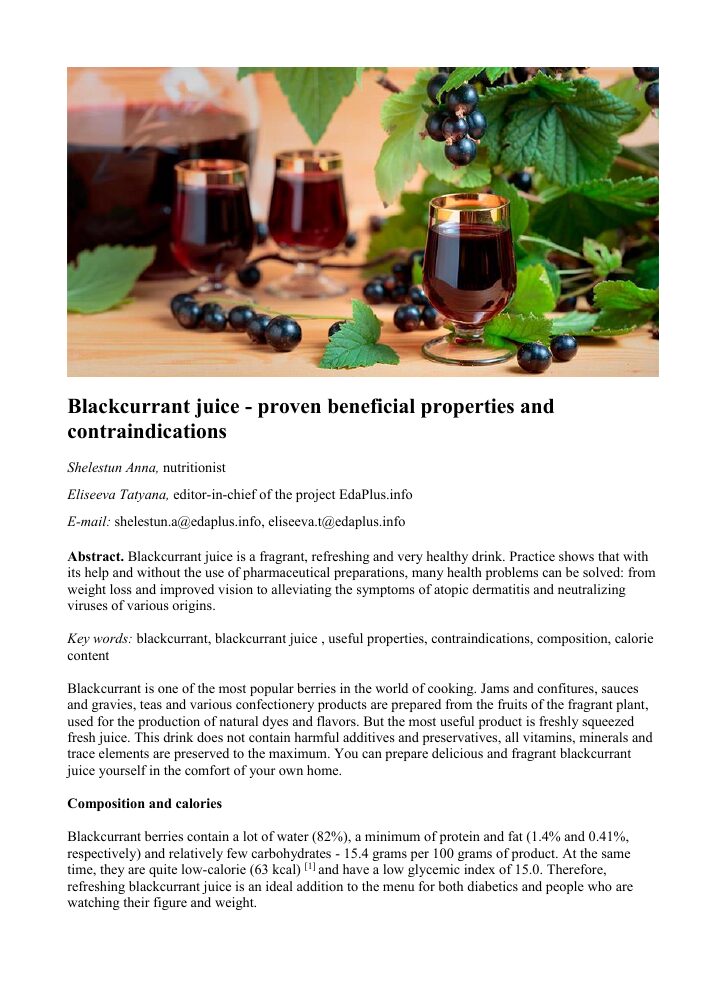
The blackcurrant, a small, round fruit with a deep purple color, has been prized for centuries for its medicinal properties. Known as “natural cortisone” due to its ability to reduce inflammation and promote healing, the blackcurrant is a natural remedy that can be used to alleviate various health issues. In this article, we will delve into the history of the blackcurrant, its medicinal properties, benefits, advantages, contraindications, as well as explore its uses in homeopathy and gemmotherapy.
A Brief History of the Blackcurrant
The blackcurrant is a member of the Grossulariaceae family (order Saxifragales) and has been cultivated for centuries. Its culinary use dates back to ancient times, but it wasn’t until recent years that its therapeutic properties were widely recognized. Today, the blackcurrant is used in various forms, including supplements, teas, and infusions.
Medicinal Properties and Benefits
The blackcurrant boasts a range of medicinal properties, including:
- Anti-inflammatory: Reduces inflammation and promotes healing
- Draining: Helps to reduce excess fluids in the body
- Stimulating: Increases energy and vitality
- Antiviral: Effective against viruses and seasonal illnesses
- Immune stimulant: Boosts the immune system
- Anti-stress: Reduces stress and anxiety
The blackcurrant is also beneficial for the skin, making it a natural remedy for acne, dermatitis, and eczema.
Uses in Homeopathy and Gemmotherapy
In homeopathy and gemmotherapy, the blackcurrant is used to alleviate symptoms of seasonal allergy. The remedy involves taking 50 grams of macerated glycerine of blackcurrant, diluted in a little water, every morning before breakfast for three months. This treatment stimulates the adrenal glands, promoting the production of cortisol, a natural cortisone that counteracts allergic reactions.
Cultivation and Plant Care
The blackcurrant is relatively easy to cultivate, making it a popular choice for gardeners and herbalists. To grow your own blackcurrant, you can purchase seeds or seedlings from reputable suppliers.
- Planting: Choose a sunny spot with well-draining soil.
- Watering: Water regularly, but avoid overwatering.
- Pruning: Prune your blackcurrant bush annually to promote healthy growth.
Leaf Blackcurrant Infusion
In case of rheumatism, you can make a homemade infusion using blackcurrant leaves. Simply steep 3-5 blackcurrant leaves in boiling water for 20 minutes and drink 3 or 4 glasses per day for two months.
- Macerated Extract: Soak dried blackcurrant leaves in red wine for 5 days and take one glass after lunch.
- Precautions: Avoid prolonging consumption beyond three months, as this can lead to fluid retention. Individuals with high blood pressure should also avoid using the blackcurrant.
Contraindications and Precautions
While the blackcurrant is generally safe to use, there are certain contraindications to be aware of:
- Fluid Retention: Prolonging consumption beyond three months can lead to fluid retention.
- High Blood Pressure: Individuals with hypertension should avoid using the blackcurrant as it can increase blood pressure.
Before starting any treatment based on herbs or the blackcurrant, consult an expert in homeopathy or your trusted doctor.
The Blackcurrant’s Antioxidant Properties
In addition to its medicinal properties, the blackcurrant is also rich in antioxidants. These powerful compounds help protect the body from free radicals, which can cause cell damage and contribute to various diseases.
- Flavonoids: Present in high concentrations, flavonoids have been shown to reduce inflammation and improve cardiovascular health.
- Anthocyanins: Responsible for the blackcurrant’s deep purple color, anthocyanins are potent antioxidants that help protect against oxidative stress.
The Blackcurrant’s Anti-Aging Properties
Due to its rich antioxidant profile, the blackcurrant is often associated with anti-aging benefits. The fruit’s ability to neutralize free radicals can help reduce fine lines and wrinkles, improving overall skin health.
- Skin Tone: Regular consumption of blackcurrants may improve skin tone and reduce hyperpigmentation.
- Collagen Production: The antioxidants present in the blackcurrant may also stimulate collagen production, contributing to a more youthful appearance.
The Blackcurrant’s Cardiovascular Benefits
Research has shown that the blackcurrant may offer several cardiovascular benefits, including:
- Improved Blood Flow: Regular consumption of blackcurrants may help improve blood flow and reduce the risk of heart disease.
- Lower Cholesterol Levels: The fruit’s antioxidant properties may also help lower cholesterol levels and reduce the risk of cardiovascular disease.
The Blackcurrant’s Respiratory Benefits
In addition to its cardiovascular benefits, the blackcurrant has been shown to offer several respiratory benefits, including:
- Improved Lung Function: Regular consumption of blackcurrants may improve lung function and reduce the risk of respiratory diseases.
- Reduced Inflammation: The anti-inflammatory properties present in the blackcurrant may help reduce inflammation and improve overall respiratory health.
The Blackcurrant’s Menstrual Benefits
For women, the blackcurrant has been shown to offer several menstrual benefits, including:
- Improved Menstrual Cycle Regularity: Regular consumption of blackcurrants may help regulate menstrual cycles and reduce the risk of irregular periods.
- Reduced PMS Symptoms: The fruit’s antioxidant properties may also help reduce symptoms associated with premenstrual syndrome (PMS).
The Blackcurrant’s Pregnancy Benefits
In addition to its menstrual benefits, the blackcurrant has been shown to offer several pregnancy-related benefits, including:
- Improved Fetal Development: Regular consumption of blackcurrants during pregnancy may improve fetal development and reduce the risk of complications.
- Reduced Risk of Gestational Diabetes: The fruit’s antioxidant properties may also help reduce the risk of gestational diabetes.
Conclusion
The blackcurrant is a remarkable fruit with numerous medicinal, therapeutic, and nutritional benefits. Its ability to reduce inflammation, promote healing, and improve overall health has made it a popular choice for homeopathic and gemmotherapy remedies. As we’ve seen in this article, the blackcurrant’s antioxidant properties, anti-aging effects, cardiovascular benefits, respiratory benefits, menstrual benefits, and pregnancy benefits make it an excellent addition to any healthy diet.
Before using the blackcurrant or any herbal remedy, consult with a healthcare professional to ensure safe use.


