
As we go about our daily lives, it’s easy to forget that mercury, a toxic metal, can be lurking in every corner. From contaminated air and water to vaccinations and dental fillings, mercury is everywhere, waiting to cause harm if not handled properly.
The Dangers of Mercury Poisoning
Mercury poisoning can occur through various means, including exposure to fish and other seafood high in mercury content. Prolonged exposure to even small amounts of mercury can lead to a range of health problems, from mild discomfort to life-threatening conditions. In this article, we’ll delve into the causes and symptoms of mercury poisoning, as well as ways to prevent it and treat its effects.
Symptoms of Mercury Poisoning
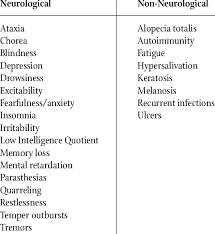
The symptoms of mercury poisoning can be subtle, making it challenging to diagnose without proper medical evaluation. Some common signs include:
- Joint pain and stiffness: Mercury can cause inflammation in the joints, leading to chronic pain and stiffness.
- Muscle weakness and fatigue: Exposure to mercury can lead to muscle wasting and decreased energy levels.
- Emotional changes: Mercury poisoning can affect mental health, causing mood swings, anxiety, and depression.
- Memory loss and cognitive impairment: High levels of mercury exposure have been linked to memory loss, difficulty concentrating, and impaired cognitive function.
Diagnosing Mercury Poisoning
If you suspect that you or a loved one has been exposed to mercury, it’s essential to seek medical attention immediately. Your doctor will likely recommend the following tests:
- Blood tests: These can detect elevated levels of mercury in the blood.
- Urine tests: Urine tests can help identify mercury exposure through its presence in the urine.
- Imaging studies: In some cases, imaging tests like X-rays or MRI scans may be ordered to rule out other conditions.
Causes of Mercury Poisoning
Mercury poisoning can occur through various routes of exposure. Some common causes include:
- Vaccinations: Some vaccines contain mercury-based preservatives.
- Fish consumption: Eating fish high in mercury content, such as shark and swordfish, can lead to exposure.
- Dental fillings: Mercury is often used in dental amalgams, which can release mercury vapor when chewed or heated.
Preventing Mercury Poisoning
While it’s impossible to completely eliminate the risk of mercury poisoning, there are steps you can take to reduce your exposure:
- Choose low-mercury fish: Opt for fish that are lower in mercury content, such as salmon and sardines.
- Limit vaccinations: Only get vaccinated against diseases if necessary, and consider alternative options that don’t contain mercury.
- Avoid dental fillings: If possible, opt for alternative dental restorations that don’t contain mercury.
Treatment and Remediation
If you’ve been exposed to mercury, it’s crucial to seek medical attention promptly. Treatment may involve:
- Chelation therapy: This involves administering medications to bind to mercury and remove it from the body.
- Supportive care: Your doctor may recommend supportive care, such as physical therapy or occupational therapy, to manage symptoms.
Conclusion
Mercury poisoning is a serious health concern that requires attention. By understanding the causes and symptoms of mercury poisoning, you can take steps to prevent exposure and treat its effects. Remember, prevention is key – be aware of your surroundings, choose low-mercury options, and seek medical attention if you suspect exposure.
Frequently Asked Questions
- What are the long-term effects of mercury poisoning?
Mercury poisoning can lead to irreversible damage to the brain, kidneys, and other organs. - Can mercury poisoning be treated?
Yes, treatment for mercury poisoning typically involves chelation therapy and supportive care. - How can I prevent mercury poisoning?
Choose low-mercury fish, limit vaccinations, avoid dental fillings, and stay informed about potential sources of exposure. - What are the symptoms of mercury poisoning in children?
Children may exhibit behavioral changes, such as increased irritability or restlessness, as well as physical symptoms like joint pain and fatigue. - Can mercury poisoning be prevented through diet alone?
While a healthy diet can help reduce exposure to mercury, it’s not enough on its own – other measures must also be taken to prevent poisoning.
Additional Resources
If you’re concerned about mercury poisoning or want to learn more, consider the following resources:
- National Institute of Environmental Health Sciences (NIEHS): A government agency that provides information on environmental health risks, including mercury exposure.
- Environmental Protection Agency (EPA): The EPA offers guidance on reducing mercury emissions and protecting human health.
- American Academy of Pediatrics: The AAP provides recommendations for minimizing mercury exposure in children.
Conclusion
Mercury poisoning is a serious health concern that requires attention. By understanding the causes and symptoms of mercury poisoning, you can take steps to prevent exposure and treat its effects. Stay informed, be proactive, and prioritize your health – it’s never too early to start protecting yourself from the dangers of mercury poisoning.


