
As we approach the summer months, water scarcity becomes a growing concern. It’s essential to be mindful of our daily habits, especially when it comes to using water for personal hygiene. One of the most significant contributors to our overall water usage is showering. In this article, we’ll explore the average water consumption in showers and provide practical tips on how to reduce your water usage.
The Average Water Consumption in Showers
It’s estimated that an Italian consumes around 200 liters of water per day, not just for drinking and cooking but also for personal hygiene. Showering is a significant contributor to this number, accounting for approximately 10% of daily water consumption. However, the amount of water used during a shower can vary greatly depending on factors such as duration, water pressure, and the type of showerhead.
Determining Your Average Water Consumption
To estimate your average water consumption in showers, consider the following factors:
- Shower duration: A typical shower lasts around 5-10 minutes. During this time, a normal showerhead can consume between 25-50 liters of water.
- Water pressure: The pressure of the water flowing from the showerhead affects the amount of water used. If you have a high-pressure showerhead, you may use more water than someone with a low-pressure head.
- Showerhead type: There are different types of showerheads available, including standard, low-flow, and rainfall showerheads. Low-flow showerheads can significantly reduce your water consumption.
Comparing Water Consumption in Showers to Baths
While both showers and baths consume significant amounts of water, the difference is stark. According to estimates, a typical bath can use up to 80 liters of water, while a shower typically uses around 25-50 liters. To put this into perspective, if you take a shower every day for a year, you’ll use significantly less water than if you took baths daily.
Tips for Reducing Your Water Consumption in Showers
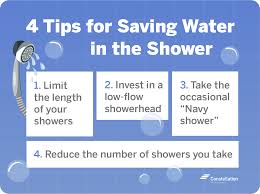
To conserve water and reduce your utility bills, consider the following tips:
- Install low-flow showerheads: These showerheads can reduce your water consumption by up to 50%. You can find them online or at local hardware stores.
- Use a showerhead with a flow rate of 2.5 gallons per minute (gpm): This is the recommended flow rate for showers to conserve water while maintaining water pressure.
- Turn off the tap while soaping up: This simple habit can save you up to 10 liters of water per day.
- Use a shower timer: A shower timer can help you keep track of your shower time and ensure that you’re not wasting water by staying in longer than necessary.
Benefits of Reducing Water Consumption
Reducing your water consumption has numerous benefits, including:
- Conservation of this precious resource: By conserving water, we’re helping to protect our planet’s water supply for future generations.
- Cost savings on utility bills: Reducing your water consumption can lead to significant savings on your utility bills.
- Environmental benefits: Reducing your water consumption also reduces the amount of energy needed to treat and distribute water, which in turn reduces greenhouse gas emissions.
Conclusion
By understanding your average water consumption in showers and implementing simple tips to reduce it, you can make a significant impact on the environment. Every little bit counts, and by making conscious choices about our daily habits, we can work together to conserve this precious resource.
Frequently Asked Questions (FAQs)
- What is the average amount of water used in a shower?
- The average amount of water used in a shower is around 25-50 liters per minute.
- How much water does it take to fill a bathtub?
- It can take up to 80 liters of water to fill a bathtub.
- Can I save money on my utility bills by reducing my water consumption?
- Yes, reducing your water consumption can lead to significant savings on your utility bills.
- What is the recommended flow rate for showers?
- The recommended flow rate for showers is 2.5 gallons per minute (gpm).
- Can I install a showerhead with a low-flow setting at home?
- Yes, you can install a showerhead with a low-flow setting at home by purchasing it online or at local hardware stores.
- How much water does it take to fill a swimming pool?
- It can take thousands of liters of water to fill a swimming pool, depending on its size and depth.
- Can I use a showerhead with a low-flow setting for both hot and cold water?
- Yes, most modern showerheads have adjustable settings that allow you to control the flow rate for both hot and cold water.
- How often should I check my showerhead for leaks or blockages?
- You should check your showerhead regularly for leaks or blockages, ideally every week or two, to ensure optimal performance and water conservation.
Common Mistakes to Avoid
To maximize the benefits of reducing your water consumption in showers, avoid the following common mistakes:
- Not installing a low-flow showerhead: Failing to install a low-flow showerhead can result in significant water waste.
- Not using a shower timer: Not using a shower timer can lead to wasting water and increasing your utility bills.
- Taking longer showers: Taking longer showers can significantly increase your water consumption, so try to keep your showers as short as possible.
By following these tips and avoiding common mistakes, you can make a significant impact on the environment while also saving money on your utility bills. Every little bit counts, and by making conscious choices about our daily habits, we can work together to conserve this precious resource.


