
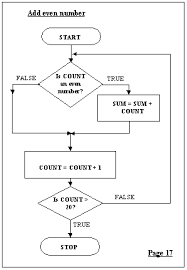
In today’s fast-paced digital world, it’s easy to get lost in a sea of information. That’s where flowcharts come in – a visual representation of processes that can help you stay organized, efficient, and focused. In this article, we’ll delve into the world of flowcharts, exploring their history, components, benefits, and how they can be applied in various fields.
What are Flowcharts?
Flowcharts, also known as “flow charts,” are graphical representations of processes that use standard symbols to illustrate each step. They’re a powerful tool for visualizing workflows, making it easier to communicate complex ideas and procedures. Think of them as a mental map, helping you navigate through a process and identify key steps.
A Brief History of Flowcharts
Flowcharts originated in the 1940s, when they were first used in the field of computer science. Since then, they’ve evolved into a versatile tool that can be applied to various industries, including business, education, and healthcare. Today, flowcharts are an essential part of many organizations’ workflows, allowing teams to collaborate and streamline processes.
The first flowcharts were created by Ross E. Shaw in 1942, while working at the IBM Corporation. Shaw’s work aimed to simplify complex systems and improve communication among team members. His innovative approach paved the way for the development of modern flowcharts.
Creating Flowcharts: A Step-by-Step Guide
So, how do you create a flowchart? It’s easier than you think! Here’s a step-by-step guide:
- Start with a clear idea: Before creating your flowchart, define what you want to achieve. What process or workflow do you want to visualize?
- Choose your symbols: Select standard symbols that represent each step in your process. These can include rectangles for blocks, arrows for connections, and shapes for decision points.
- Organize your diagram: Use a logical structure to organize your flowchart. This will help you create a clear and easy-to-follow visual representation of your process.
- Add text and labels: Include text and labels to explain each step in your process. This will help others understand the context and purpose of each section.
Types of Flowcharts
There are several types of flowcharts, each serving a specific purpose:
- Bloom Chart: A type of flowchart used for instructional design and educational purposes.
- Decision Flowchart: Used to illustrate decision-making processes and logical sequences.
- Swimlane Diagram: Visualizes complex relationships between data entities.
Software and Tools
There are many software and tools available that can help you create flowcharts. Some popular options include:
- Diagram Designer: A free, web-based tool for creating flowcharts and diagrams.
- Cacoo: An online collaboration platform for creating and sharing flowcharts.
- Creately: A cloud-based diagramming tool with a user-friendly interface.
Benefits of Flowcharts
So, why should you use flowcharts? Here are some benefits:
- Improved communication: Flowcharts help clarify complex processes and procedures, making it easier to communicate with others.
- Increased efficiency: By visualizing workflows, you can identify bottlenecks and areas for improvement, leading to increased productivity.
- Enhanced collaboration: Flowcharts facilitate teamwork by providing a common language and framework for discussion.
Applications of Flowcharts
Flowcharts are used in many industries, including:
- Business and finance: To illustrate business processes, financial models, and regulatory compliance.
- Healthcare: To describe medical procedures, treatment plans, and patient care pathways.
- Education: To design instructional materials, curriculum maps, and assessment tools.
Real-World Examples of Flowcharts
Flowcharts have been used in various industries to solve complex problems. Here are some real-world examples:
- Business Process Re-engineering: A company used a flowchart to identify inefficiencies in their supply chain management process.
- Medical Treatment Plan: A healthcare provider created a flowchart to outline the steps involved in treating a patient with diabetes.
- Curriculum Development: An educational institution developed a flowchart to design an instructional program for students learning programming skills.
Best Practices for Creating Effective Flowcharts
To get the most out of your flowchart, follow these best practices:
- Keep it simple: Avoid cluttering your flowchart with unnecessary details. Focus on clarity and concision.
- Use clear labels: Ensure that each step in your process has a clear and concise label to avoid confusion.
- Review and revise: Regularly review and revise your flowchart to ensure accuracy and relevance.
Conclusion
Flowcharts are a powerful tool for visualizing complex processes and workflows. By understanding the basics of flowcharts, you can harness their power to improve communication, increase efficiency, and enhance collaboration. Whether you’re a business owner, healthcare professional, or educator, flowcharts can help you achieve your goals.
Frequently Asked Questions (FAQs)
- What is a flowchart?
A flowchart is a graphical representation of processes that uses standard symbols to illustrate each step. - How do I create a flowchart?
To create a flowchart, start with a clear idea, choose your symbols, organize your diagram, and add text and labels. - What are the benefits of using flowcharts?
Flowcharts improve communication, increase efficiency, and enhance collaboration. - Can flowcharts be used in any industry?
Yes, flowcharts can be applied to various industries, including business, healthcare, education, and more. - Are there any software or tools available for creating flowcharts?
Yes, many software and tools are available, including Diagram Designer, Cacoo, and Creately.
Get in Touch
If you have any questions or would like to learn more about flowcharts, feel free to reach out to us on social media platforms.


