
Introduction
In recent years, flaxseed flour has gained popularity as a natural superfood due to its numerous health benefits. This flour is made from ground flaxseeds and can be used in various recipes, from baked goods to savory dishes. In this article, we will delve into the characteristics, uses, and recipes that make flaxseed flour a must-have in your kitchen.
What is Flaxseed Flour?
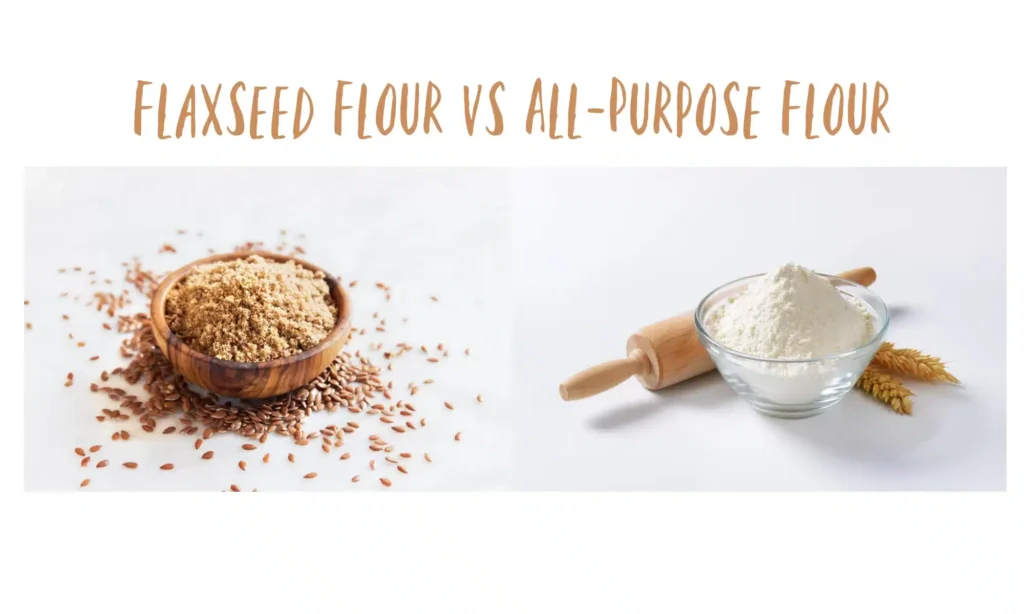
Flaxseed flour is a type of ground flour made from ground flaxseeds. It is a popular ingredient in many health-conscious households due to its high nutritional value. The flour is rich in fiber, protein, and omega-3 fatty acids, making it an excellent addition to your diet.
Properties and Characteristics
Flaxseed flour has several properties that make it beneficial for overall health:
- Emollient: Flaxseed flour is known for its emollient properties, which can help soothe dry skin and mucous membranes.
- Laxative: The high fiber content in flaxseed flour can aid digestion and promote regular bowel movements.
- Depurative: Flaxseed flour has natural depurative properties that can help remove toxins from the body.
- Cholesterol-lowering: The omega-3 fatty acids present in flaxseed flour may help lower cholesterol levels.
Nutritional Value
Flaxseed flour is relatively low in calories, with 100 grams containing only 534 calories. It is also high in fiber, making it an excellent choice for those looking to manage their weight.
- Fiber content: Flaxseed flour contains a significant amount of dietary fiber, which can help lower cholesterol levels and promote digestive health.
- Protein content: Flaxseed flour is also a good source of protein, making it an excellent option for vegetarians and vegans.
Uses in Cooking
Flaxseed flour can be used in various recipes, from baked goods to savory dishes. Some popular uses include:
- Cataplasms: Flaxseed flour can be mixed with water to create a paste that can be applied topically to soothe skin irritations and reduce inflammation.
- Cakes and muffins: Flaxseed flour can be used as a substitute for traditional flours in baked goods, adding fiber and nutrients to the recipe.
- Salad dressings: Flaxseed flour can be ground into a fine powder and added to salad dressings for an extra boost of omega-3 fatty acids.
Benefits of Using Flaxseed Flour
Using flaxseed flour has several benefits, including:
- Improved digestion: The high fiber content in flaxseed flour can help regulate bowel movements and promote digestive health.
- Increased satiety: Flaxseed flour is high in protein and fiber, making it an excellent choice for those looking to manage their weight.
- Reduced inflammation: The omega-3 fatty acids present in flaxseed flour may help reduce inflammation and promote overall health.
Recipe Ideas
Here are some delicious recipe ideas that incorporate flaxseed flour:
- Flaxseed Flour Pancakes: Mix 1/2 cup of flaxseed flour with 1 egg, 1 tablespoon of honey, and 1/4 teaspoon of salt. Cook on a non-stick pan like regular pancakes.
- Flaxseed Flour Cookies: Combine 1 cup of flaxseed flour with 1/2 cup of oats, 1/2 cup of sugar, and 1/4 teaspoon of baking powder. Bake at 350°F for 10-12 minutes.
- Flaxseed Flour Salad Dressing: Blend 2 tablespoons of flaxseed flour with 2 tablespoons of olive oil, 1 tablespoon of lemon juice, and salt to taste.
Storage and Shelf Life
Flaxseed flour should be stored in an airtight container to maintain its nutritional value and shelf life. It can be stored for up to 6 months at room temperature or up to a year when frozen.
Precautions and Side Effects
While flaxseed flour is generally considered safe, there are some precautions and side effects to be aware of:
- Allergies: Some individuals may be allergic to flaxseeds, which can cause symptoms such as hives, itching, and swelling.
- Digestive issues: The high fiber content in flaxseed flour can cause digestive issues such as bloating, gas, and stomach cramps in some individuals.
Conclusion
Flaxseed flour is a natural superfood that offers numerous health benefits. From its emollient properties to its cholesterol-lowering effects, this flour is an excellent addition to your diet. With its high fiber content and protein-rich composition, flaxseed flour can help improve digestion, increase satiety, and reduce inflammation.
Frequently Asked Questions
- Is flaxseed flour gluten-free?: Yes, flaxseed flour is naturally gluten-free.
- Can I use flaxseed flour as a substitute for traditional flours?: Yes, flaxseed flour can be used as a substitute for traditional flours in baked goods, but it may affect the texture and consistency of the final product.
- How do I store flaxseed flour?: Flaxseed flour should be stored in an airtight container to maintain its nutritional value and shelf life.
Common Uses for Flaxseed Flour
Flaxseed flour is used in various products, including:
- Supplements: Flaxseed flour is often used as a natural supplement due to its high omega-3 fatty acid content.
- Food products: Flaxseed flour can be added to baked goods, granola, and other food products for an extra boost of fiber and nutrients.
Conclusion
In conclusion, flaxseed flour is a nutritious ingredient that offers numerous health benefits. From its emollient properties to its cholesterol-lowering effects, this flour is an excellent addition to your diet. With its high fiber content and protein-rich composition, flaxseed flour can help improve digestion, increase satiety, and reduce inflammation.
Frequently Asked Questions
- Is flaxseed flour healthy?: Yes, flaxseed flour is a nutritious ingredient that offers numerous health benefits.
- Can I use flaxseed flour as a substitute for traditional flours?: Yes, flaxseed flour can be used as a substitute for traditional flours in baked goods, but it may affect the texture and consistency of the final product.
- How do I store flaxseed flour?: Flaxseed flour should be stored in an airtight container to maintain its nutritional value and shelf life.


