
Have you ever felt a sudden urge to do nothing, or struggled with the inability to start anything new? Pigrizia, often referred to as laziness, can be a state of mind that affects us all at some point. But what if it’s more than just a matter of being lazy? Let’s explore the concept of pigrizia and its impact on our lives.
The Dangers of Chronic Procrastination
While occasional laziness is normal, chronic procrastination can lead to a vicious cycle of inactivity. When we’re stuck in this state, we become trapped by our own mindset, making it difficult to break free. It’s essential to recognize the signs and take action before it affects our well-being.
The Different Types of Pigrizia
There are two main types of pigrizia: occasional and chronic. Occasional laziness is a normal part of life, but chronic procrastination is a more serious issue. The latter can lead to feelings of guilt, shame, and frustration, making it challenging to get back on track.
Breaking Free from Chronic Pigrizia
To overcome chronic pigrizia, we need to acknowledge the problem and take steps to address it. Here are some key strategies:
- Identify your limits: Take note of what you can realistically accomplish in a day or week. This will help you set achievable goals and avoid overcommitting.
- Create a schedule: Plan out your day, including time for work, rest, and leisure activities. Sticking to a routine can help you stay focused and motivated.
- Find accountability: Share your goals with a friend or mentor and ask them to hold you accountable. This can provide an added motivation to stay on track.
The Power of Small Wins
Breaking free from chronic pigrizia doesn’t have to be overwhelming. Start with small, achievable victories that build momentum and confidence. Celebrate each success, no matter how insignificant it may seem. This will help you develop a sense of accomplishment and motivation.
Overcoming Procrastination: A Journey of Self-Discovery
Recognizing the root cause of your procrastination is crucial to overcoming it. Take time to reflect on your habits, values, and goals. Identify areas where you can improve and create strategies to tackle them.
The Importance of Self-Care
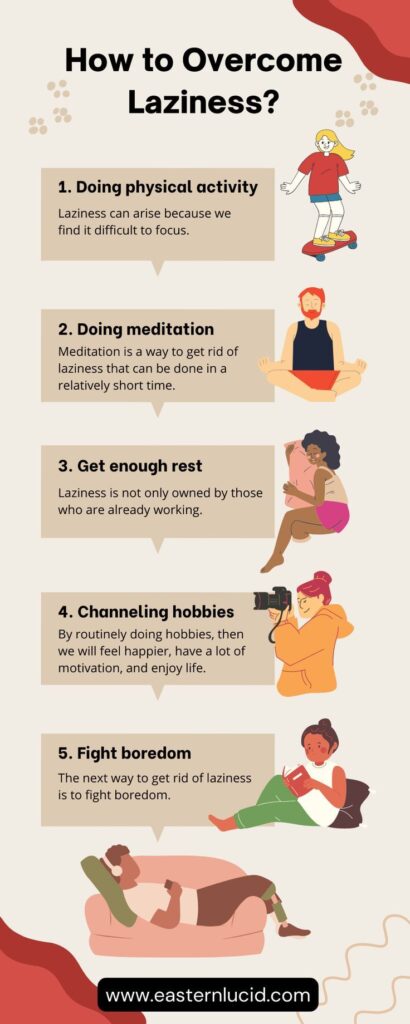
Taking care of your physical and mental health is essential for maintaining motivation and focus. Make sure to get enough sleep, exercise regularly, and eat a balanced diet. By prioritizing self-care, you’ll be better equipped to handle the challenges that come with breaking free from chronic pigrizia.
Overcoming Procrastination: A Step-by-Step Guide
Breaking free from chronic pigrizia requires effort, patience, and dedication. Here’s a step-by-step guide to help you overcome procrastination:
- Acknowledge your limits: Identify what you can realistically accomplish in a day or week.
- Create a schedule: Plan out your day, including time for work, rest, and leisure activities.
- Find accountability: Share your goals with a friend or mentor and ask them to hold you accountable.
- Celebrate small wins: Recognize and celebrate each small victory along the way.
- Reflect on your habits: Identify areas where you can improve and create strategies to tackle them.
- Prioritize self-care: Make sure to get enough sleep, exercise regularly, and eat a balanced diet.
Common Obstacles to Overcoming Chronic Pigrizia
- Fear of failure: Fear of not meeting expectations or fear of failure can hold you back from taking action.
- Lack of motivation: Feeling unmotivated or disconnected from your goals can make it challenging to break free from chronic pigrizia.
- Distractions: Social media, email, and other distractions can derail your focus and progress.
Overcoming Common Obstacles
To overcome these obstacles, try the following strategies:
- Break tasks into smaller steps: Divide large tasks into smaller, manageable steps to reduce feelings of overwhelm.
- Create a conducive work environment: Eliminate distractions and create an environment that fosters productivity.
- Use positive self-talk: Encourage yourself with positive affirmations to boost motivation.
Conclusion
Breaking free from chronic pigrizia requires effort, patience, and dedication. By understanding the dangers of procrastination, recognizing your limits, creating a schedule, finding accountability, celebrating small wins, overcoming procrastination through self-discovery, prioritizing self-care, and overcoming common obstacles, you can develop the motivation and confidence needed to overcome this state of mind.


