
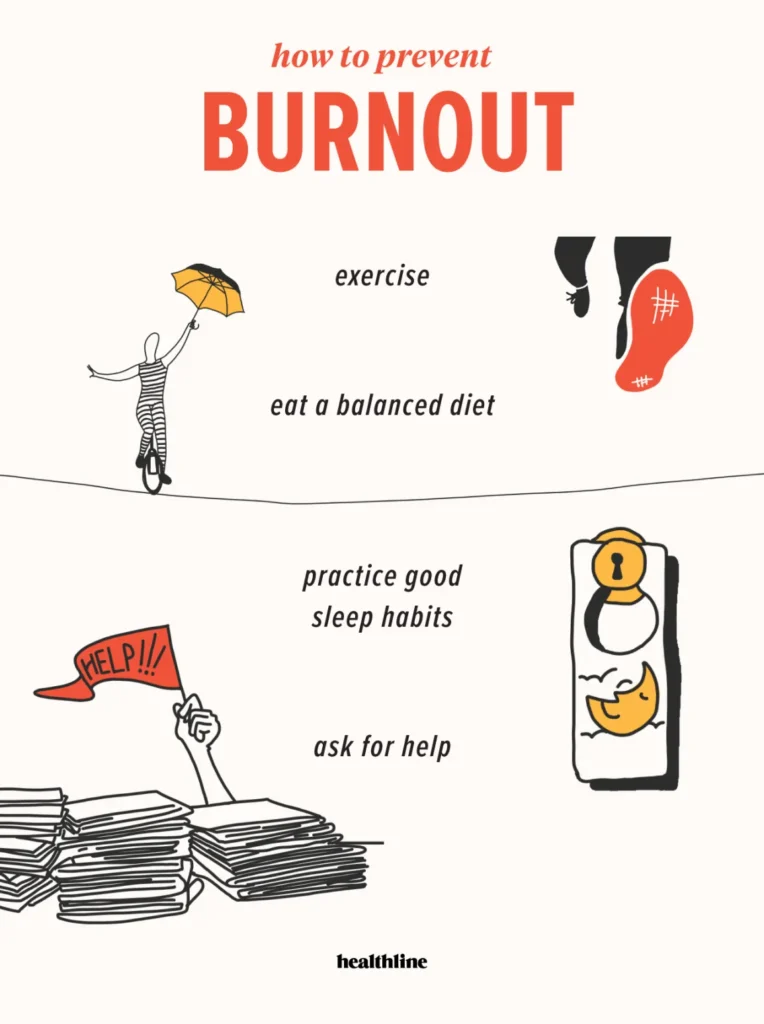
Burnout is a state of emotional, mental, and physical exhaustion caused by prolonged stress, overwork, and lack of balance in life. It can affect anyone, regardless of their profession or background. The good news is that burnout is not inevitable, and with the right strategies, you can prevent it and protect your well-being.
The History of Burnout
The concept of burnout has been around for decades, first identified in the 1970s by American psychiatrist Herbert Freudenberger. Initially, it was seen as a condition affecting only certain professions, such as healthcare workers and teachers. However, today we recognize that burnout can affect anyone who works hard, regardless of their profession.
The Rise of Burnout
In recent years, there has been a growing awareness of the issue of burnout in the workplace. Many companies are now recognizing the importance of employee well-being and are taking steps to prevent burnout. However, despite these efforts, burnout remains a significant problem that affects millions of people worldwide.
What Causes Burnout?
Burnout is caused by a combination of factors, both objective and subjective. Objective factors include:
- Work-related stress: excessive workload, lack of control, and poor work-life balance
- Mobbing and bullying: verbal or physical harassment at work
- Lack of recognition and rewards: inadequate compensation, praise, or opportunities for growth
- Poor working conditions: inadequate lighting, temperature, or noise levels
Subjective factors include:
- Personality traits: perfectionism, low self-esteem, or high expectations
- Career type: professions that require intense focus, such as healthcare or finance
- Life circumstances: caring for a loved one, experiencing a major life change, or dealing with personal issues
The Symptoms of Burnout
Burnout can manifest in different ways, including:
- Physical symptoms: headaches, stomach problems, or sleep disturbances
- Emotional symptoms: irritability, anxiety, or depression
- Behavioral symptoms: withdrawal from social activities, lack of motivation, or decreased productivity
How to Prevent Burnout
Preventing burnout requires a combination of strategies that address both objective and subjective factors. Here are some tips:
- Practice self-care: prioritize sleep, exercise, and relaxation techniques
- Set boundaries: establish clear limits between work and personal life
- Seek support: connect with colleagues, friends, or family members for emotional support
- Take breaks: regular short breaks can help reduce stress and increase productivity
Creating a Burnout-Prevention Culture
Organizations can play a significant role in preventing burnout by:
- Providing resources: offer training programs, counseling services, or employee assistance programs (EAPs)
- Fostering open communication: encourage feedback, suggestions, and recognition
- Promoting work-life balance: offer flexible scheduling, telecommuting options, or compressed workweeks
- Recognizing burnout prevention efforts: acknowledge and reward employees who prioritize their well-being
Conclusion
Burnout is a growing problem that affects millions of people worldwide. By understanding its causes, symptoms, and prevention strategies, we can take steps to protect our well-being and create a healthier workplace culture.
Frequently Asked Questions (FAQs)
-
What are the signs of burnout?
Burnout can manifest in different ways, including physical symptoms such as headaches or stomach problems, emotional symptoms like irritability or depression, and behavioral symptoms such as withdrawal from social activities or decreased productivity.
2. How can I prevent burnout?Preventing burnout requires a combination of strategies that address both objective and subjective factors. Some tips include practicing self-care, setting boundaries, seeking support, and taking breaks.
3. What role do employers play in preventing burnout?Employers can play a significant role in preventing burnout by providing resources such as training programs or employee assistance programs (EAPs), fostering open communication, promoting work-life balance, and recognizing burnout prevention efforts.
4. How can I prioritize my well-being at work?Prioritizing your well-being at work involves setting clear limits between work and personal life, practicing self-care, seeking support from colleagues or friends, and taking regular breaks to reduce stress and increase productivity.
5. What are the benefits of a burnout-prevention culture?A burnout-prevention culture can have numerous benefits, including increased employee satisfaction, improved productivity, reduced turnover rates, and enhanced overall well-being.
-
What is the role of personal responsibility in preventing burnout?
Personal responsibility plays a crucial role in preventing burnout. Individuals must prioritize their own well-being by setting boundaries, practicing self-care, seeking support when needed, and taking proactive steps to manage stress.
7. How can I manage work-related stress without compromising my job satisfaction or performance?
Managing work-related stress requires finding healthy ways to cope with demands at work while maintaining a positive attitude towards your job and responsibilities. This might involve delegating tasks, communicating openly with colleagues and supervisors, or exploring wellness programs.
8. What are the most effective strategies for creating a burnout-prevention culture in the workplace?
Creating an effective burnout-prevention culture in the workplace involves setting clear expectations, providing resources such as mental health support, promoting work-life balance, encouraging open communication, and recognizing employee contributions to well-being initiatives.
- How can individuals recognize if they are at risk of developing burnout?
Recognizing the signs of burnout is essential for prevention. These may include chronic fatigue, decreased motivation, irritability or mood swings, physical symptoms such as headaches or gastrointestinal issues, and withdrawal from social activities.
10. What resources can I access to help manage stress and prevent burnout?
There are many resources available to support individuals in managing stress and preventing burnout, including employee assistance programs (EAPs), mental health professionals, wellness centers, stress management workshops, and online resources.


