
The sixth National Programmatic Assembly, focused on sustainable energy development, will take place today, September 14th, in Rome, ahead of the upcoming Green Economy States General, an event organized by the Ministry of Environment and 39 green businesses associations, which will occur from November 7-8 in Rimini within Ecomondo.
The Importance of Renewable Energy
Sustainable energy development is one of the key tools to tackle and win the climate challenge. In Italy, about 10% of final energy consumption in 2010 was satisfied by renewable sources (approximately 13 million tons of thermal energy equivalent), and these sources already provide significant benefits for the Italian energy sector, not only from an environmental perspective but also in terms of greater security and lower fuel expenditure.
The Green Economy States General
The Green Economy States General is comprised of eight working groups dedicated to strategic sectors for sustainable development in Italy: ecoinnovation development; eco-efficiency, recyclability of materials, and waste recycling; energy efficiency and savings; renewable energy source development; environmental service development; sustainable mobility development; organic agricultural quality filiere development; and green finance and credit development.
The Renewable Energy Development Working Group
The National Programmatic Assembly for the development of renewable energy sources will take place on Friday, September 14th, at 10:00 AM, at the Hotel Quirinale (Via Nazionale, 7), Rome.
Why Sustainable Renewable Energy Matters
Sustainable renewable energy development is critical for Italy’s economic and environmental future. The transition to a low-carbon economy requires significant investments in renewable energy infrastructure and innovative technologies. However, these investments can also create new opportunities for businesses and individuals, driving economic growth while reducing greenhouse gas emissions.
The Role of Policy and Regulation
Effective policy and regulation are essential for promoting sustainable renewable energy development. Governments can provide incentives such as tax credits, grants, or auctions to encourage the adoption of renewable energy technologies. Additionally, regulatory frameworks can be designed to support the integration of renewable energy sources into the grid and to ensure a stable and reliable energy supply.
Sustainable Renewable Energy Development in Italy
Italy has made significant progress in sustainable renewable energy development, with over 10% of its final energy consumption coming from renewable sources in 2010. However, there is still room for improvement, and further efforts are needed to increase the share of renewable energy in the country’s energy mix.
Challenges and Opportunities
Despite the challenges, sustainable renewable energy development also presents opportunities for Italy to become a leader in the global transition to a low-carbon economy. With innovative technologies, policies, and regulations, Italy can create new jobs, stimulate economic growth, and reduce greenhouse gas emissions while ensuring energy security and affordability.
Types of Renewable Energy
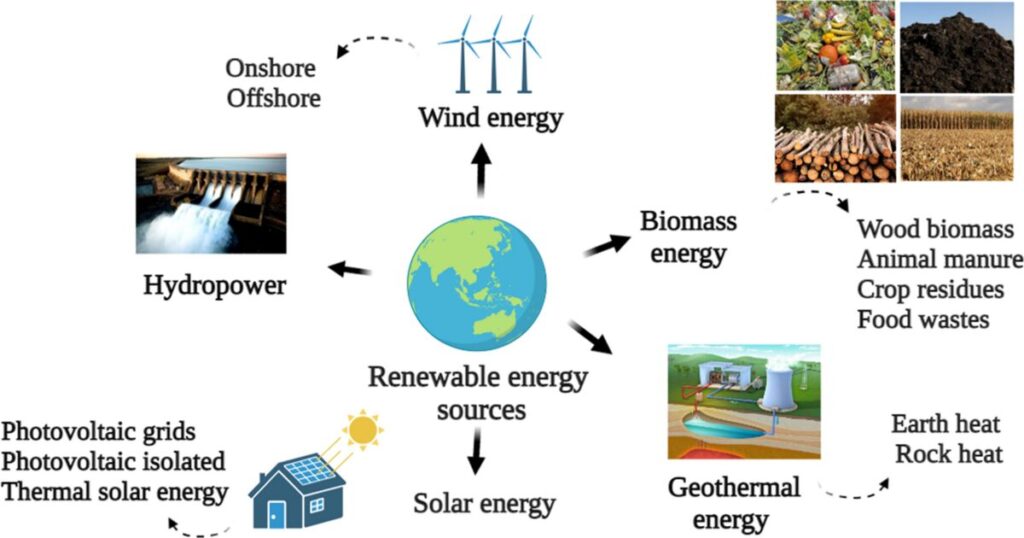
There are several types of renewable energy that can be used for sustainable development, including:
- Solar Energy: Solar energy is generated from the sun’s rays and can be harnessed using photovoltaic panels or solar thermal systems.
- Wind Energy: Wind energy is generated by harnessing the power of wind using wind turbines.
- Hydro Energy: Hydro energy is generated by harnessing the power of water using hydroelectric power plants or tidal barrages.
- Geothermal Energy: Geothermal energy is generated from the heat of the Earth’s core and can be used for heating, cooling, or electricity generation.
- Biomass Energy: Biomass energy is generated from organic matter such as wood, crops, or waste and can be used for heating, cooking, or electricity generation.
The Benefits of Renewable Energy
Renewable energy offers several benefits, including:
- Reduced Greenhouse Gas Emissions: Renewable energy reduces greenhouse gas emissions by replacing fossil fuels with renewable sources.
- Energy Security: Renewable energy ensures energy security by reducing reliance on imported fuels and promoting domestic production.
- Economic Benefits: Renewable energy creates new jobs, stimulates economic growth, and provides new opportunities for businesses and individuals.
- Environmental Benefits: Renewable energy promotes environmental sustainability by preserving natural resources, protecting biodiversity, and mitigating climate change.
The Role of International Cooperation
International cooperation is essential for promoting sustainable renewable energy development globally. Countries can share knowledge, technologies, and best practices to accelerate the transition to a low-carbon economy. Additionally, international agreements such as the Paris Agreement provide a framework for global cooperation on climate change mitigation and adaptation.
Conclusion
The National Programmatic Assembly on Sustainable Renewable Energy Development is an important step towards promoting sustainable energy development in Italy. By understanding the importance of renewable energy, the role of policy and regulation, and the challenges and opportunities presented by sustainable renewable energy development, we can work together to create a low-carbon future for our country.
Frequently Asked Questions (FAQs)
- What is the purpose of the National Programmatic Assembly on Sustainable Renewable Energy Development?
The purpose of the National Programmatic Assembly is to promote sustainable renewable energy development in Italy and provide a platform for stakeholders to discuss policy and regulatory frameworks that support this goal.
- How much energy does Italy currently get from renewable sources?
Italy gets approximately 10% of its final energy consumption from renewable sources, with over 13 million tons of thermal energy equivalent generated in 2010.
- What are the benefits of sustainable renewable energy development for Italy’s economy and environment?
Sustainable renewable energy development provides significant benefits for Italy’s economy and environment, including reduced greenhouse gas emissions, greater energy security, and lower fuel expenditure.
- How can governments support sustainable renewable energy development in their countries?
Governments can provide incentives such as tax credits, grants, or auctions to encourage the adoption of renewable energy technologies and design regulatory frameworks that support the integration of renewable energy sources into the grid.
- What role do innovative technologies play in promoting sustainable renewable energy development?
Innovative technologies, such as smart grids and energy storage systems, can help promote sustainable renewable energy development by improving the efficiency and reliability of renewable energy generation and transmission.
- How can businesses and individuals benefit from sustainable renewable energy development?
Businesses and individuals can benefit from sustainable renewable energy development through job creation, economic growth, and reduced greenhouse gas emissions.
- What are the challenges facing Italy’s sustainable renewable energy development efforts?
Challenges facing Italy’s sustainable renewable energy development efforts include grid integration, policy uncertainty, and public acceptance.
- How can Italy become a leader in global sustainable renewable energy development?
Italy can become a leader in global sustainable renewable energy development by promoting innovative technologies, policies, and regulations that support the transition to a low-carbon economy and by fostering international cooperation and collaboration.


