
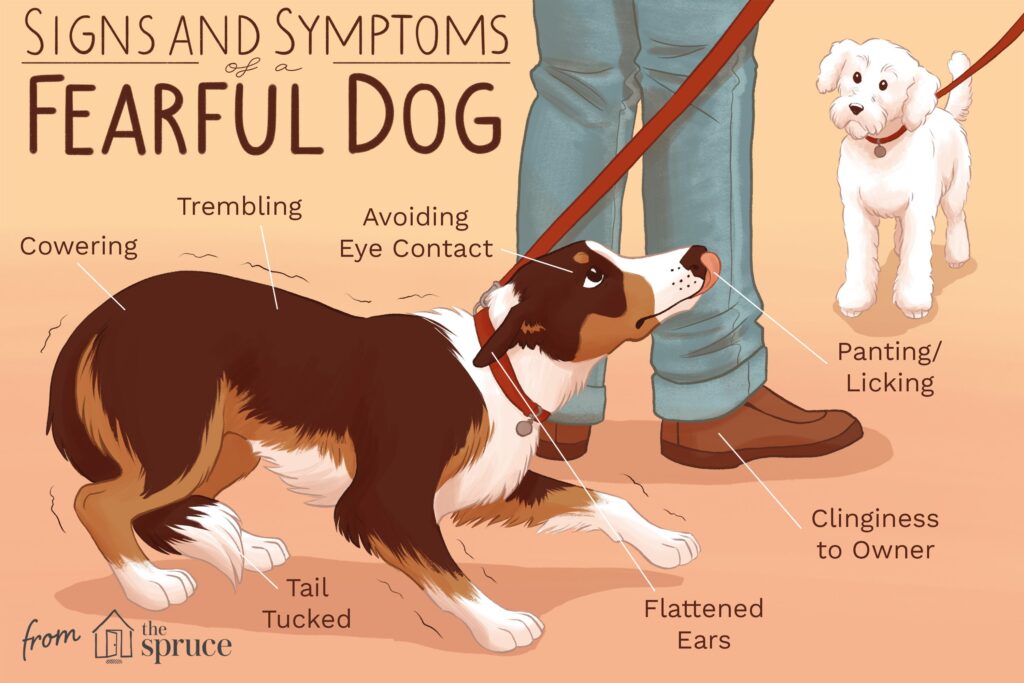
As a dog owner, it’s natural to feel worried when your furry friend exhibits strange behavior. If you’ve noticed that your dog is terrified of something, but can’t quite put your finger on what it is, this article aims to help you understand the causes, symptoms, and solutions for your anxious canine companion.
Signs of a Terrified Dog
A dog in terror often displays one or more of the following signs:
- Excessive panting or anxiety
- Vigilance or constant watching
- Increased salivation
- Trembling or shakiness
- Tendency to hide or escape
- Unusual defecation and urination habits
- Barking, whining, or other abnormal vocalizations
It’s essential to differentiate between normal canine behaviors and signs of true fear. If your dog is exhibiting these symptoms frequently or in response to specific stimuli, it may indicate a deeper issue.
Causes of Canine Fear
Dogs can develop fears due to various factors, including:
- Environmental stimuli (e.g., loud noises, new objects)
- Social interactions (e.g., other dogs, people)
- Past experiences (e.g., traumatic events, harsh training methods)
- Genetics (e.g., inherited phobias or anxiety disorders)
Some common triggers for canine fear include:
- Sudden movements or loud sounds
- New environments or objects
- Other animals (e.g., dogs, cats, birds)
- People with unusual appearance or behavior
Distinguishing Between Fear and Phobia
Fear and phobia are two distinct concepts in canine psychology.
Fear is a natural response to a perceived threat, aiming to protect the dog from harm. It’s an adaptive mechanism that can help the dog avoid danger.
Phobia, on the other hand, is an excessive and irrational fear response that interferes with the dog’s daily life. Phobias often have no clear purpose or benefit for the dog and may lead to avoidance behaviors.
Terrified Dogs and Their Owners
When a dog becomes terrified, its owner can inadvertently exacerbate the situation by:
- Reacting impulsively or emotionally
- Providing excessive attention or reward for anxious behavior
- Using punishment or negative reinforcement
To mitigate this effect, it’s crucial to remain calm and patient. Avoid reacting to your dog’s anxiety, as this can reinforce the fear response.
Solutions for Terrified Dogs
If you’ve identified that your dog is experiencing fear or anxiety, there are several steps you can take:
- Consult a veterinarian: Rule out underlying medical issues that may be contributing to your dog’s fear.
- Gradual exposure: Gradually introduce your dog to the feared stimulus in a controlled environment.
- Positive reinforcement training: Focus on rewarding calm behavior and ignoring anxious responses.
- Desensitization and counterconditioning: Help your dog associate the feared stimulus with positive outcomes.
Terrified Dogs and Environmental Factors
Environmental factors can significantly impact a dog’s fear levels. Some common culprits include:
- Loud noises (e.g., fireworks, construction)
- Unfamiliar environments or objects
- Other animals (e.g., dogs, cats, birds)
To mitigate these effects, try the following:
- Provide a safe and comfortable environment
- Block access to feared stimuli (e.g., blocking your dog’s view of loud noises)
- Desensitize and countercondition your dog to the feared stimulus
Understanding Canine Emotions
Dogs are social animals that experience emotions similar to humans. Understanding canine emotions can help you better identify their needs and develop effective solutions.
Canines can exhibit various emotional states, including:
- Joy
- Fear
- Anxiety
- Aggression
- Submission
It’s essential to recognize the differences between these emotions and respond accordingly.
The Role of Obedience Training
Obedience training is a crucial aspect of dog ownership. By focusing on reward-based training methods, you can help your dog develop confidence and reduce anxiety.
Positive reinforcement training emphasizes rewarding desired behaviors, rather than punishing undesired ones. This approach helps build trust between you and your dog, creating a stronger bond.
Socialization and Social Interactions
Socialization is an essential aspect of canine development. Exposing your dog to various environments, people, and animals can help them become confident and calm in new situations.
However, socialization must be done carefully. Avoid exposing your dog to too many stimuli at once, as this can overwhelm them.
Managing Fear-Inducing Stimuli
Some common fear-inducing stimuli include:
- Loud noises (e.g., fireworks, construction)
- Unfamiliar environments or objects
- Other animals (e.g., dogs, cats, birds)
To manage these stimuli, try the following:
- Block access to feared stimuli (e.g., blocking your dog’s view of loud noises)
- Desensitize and countercondition your dog to the feared stimulus
- Gradually introduce new stimuli in a controlled environment
Conclusion
Understanding canine fear is crucial for providing effective solutions. By recognizing the signs, causes, and symptoms of terror in dogs, you can work towards creating a more comfortable and secure environment for your furry friend.
If you’re struggling with your dog’s anxiety or fear, consult with a veterinarian or certified animal behaviorist for personalized guidance.
Frequently Asked Questions
Q: How do I know if my dog is fearful?
A: Look for signs of excessive anxiety, such as panting, pacing, or avoidance behaviors. Consult with a veterinarian to rule out underlying medical issues.
Q: Can dogs develop phobias through training methods?
A: Yes, negative reinforcement training methods can contribute to the development of phobias in dogs. Positive reinforcement training is a more effective and humane approach.
Q: How do I calm my terrified dog during loud noises?
A: Provide a safe space for your dog, block access to the source of the noise, and use calming aids (e.g., pheromone diffusers) to help reduce anxiety.
Q: Can dogs overcome phobias with therapy and training?
A: Yes, with patience, consistency, and positive reinforcement training, many dogs can overcome phobias. Consult with a certified animal behaviorist for personalized guidance.
Q: How do I choose the right therapist for my dog’s fears?
A: Look for a veterinarian or certified animal behaviorist with experience in addressing canine anxiety and fear disorders. Ask for referrals from trusted sources (e.g., veterinarians, other pet owners).
Q: Can dogs develop phobias due to genetic predisposition?
A: While genetics can play a role in the development of phobias in dogs, it’s not the sole determining factor. Environmental factors and training methods also contribute to the formation of phobias.
Q: How do I create a safe environment for my terrified dog?
A: Provide a comfortable and secure space for your dog, block access to feared stimuli, and use calming aids (e.g., pheromone diffusers) to reduce anxiety.


