
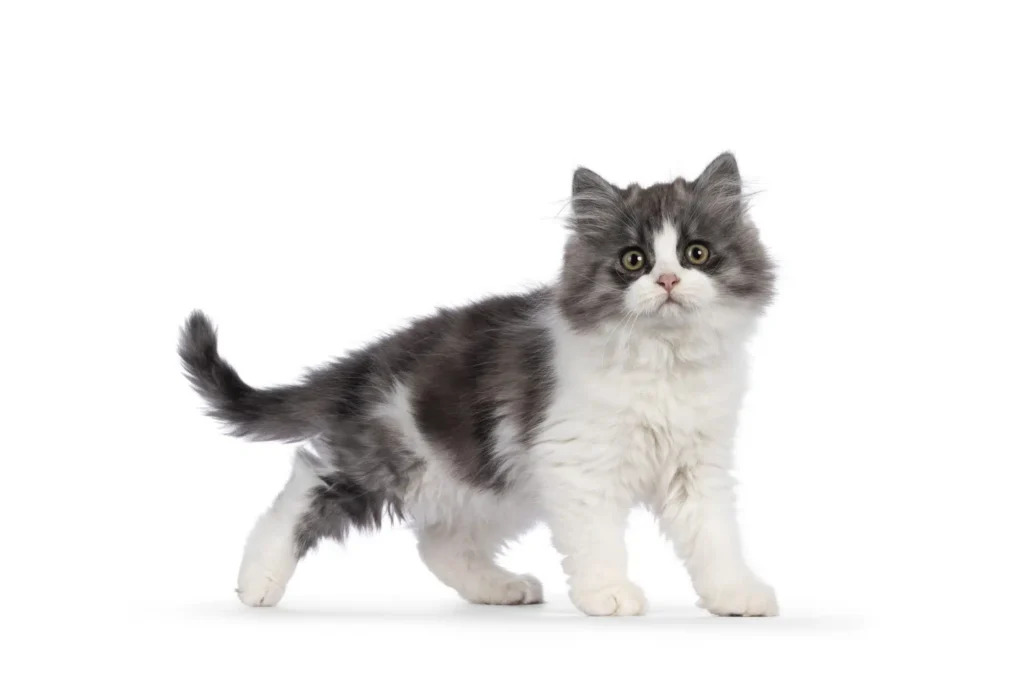
The Cymric cat is a fascinating breed that has gained popularity in recent years due to its unique appearance and charming personality. In this article, we will delve into the characteristics of the Cymric cat breed, exploring its history, physical attributes, behavior, health considerations, grooming needs, breeding, and genetic factors.
Physical Characteristics
The Cymric cat is known for its distinctive appearance, which includes a sturdy body structure, medium-sized head, and large, round eyes. The coat of the Cymric cat is one of its most striking features, with a silky texture that requires regular grooming to prevent matting and tangling.
- Body Structure: The Cymric cat has a compact body type, with broad hips and a wide chest. This sturdy build gives the breed a distinctive appearance.
- Head Shape: The head of the Cymric is medium-sized, rounded, and slightly elongated. The stop (the area between the eyes and nose) is not prominent, and the face is strong and rounded.
- Ears: The ears of the Cymric are arched and rounded, with a slight forward inclination.
Behavioral Traits
Cymric cats are known for their friendly, outgoing personalities. They are playful, energetic, and love human interaction. This breed is also highly intelligent and curious, making them entertaining to watch and interact with.
- Playfulness: Cymric cats are always up for an adventure, whether it’s chasing a laser pointer or playing with toys.
- Intelligence: With their inquisitive nature, Cymric cats require mental stimulation to prevent boredom.
- Affectionate Nature: Cymric cats are known for their affectionate nature and love of human interaction.
Health Considerations
While the Cymric cat breed is generally healthy, there are some genetic disorders that can affect its health. One of the most significant concerns is the absence of a tail due to genetic mutations caused by selective breeding practices. This can lead to spinal problems and other health issues.
- Genetic Disorders: The absence of a tail is a significant concern for Cymric cats, as it can lead to spinal problems and other health issues.
- Proper Nutrition: A balanced diet that meets the Cymric’s nutritional needs is crucial for maintaining optimal health.
- Regular Check-Ups: Regular check-ups with a veterinarian can help identify potential health concerns early on.
Grooming Needs
Cymric cats have a silky coat that requires regular grooming to prevent matting and tangling. This breed also has specific grooming needs, including nail trimming and ear cleaning.
- Coat Maintenance: Regular brushing and grooming are necessary to prevent matting and tangling of the coat.
- Nail Trimming: Keeping claws trimmed can help prevent scratching injuries.
- Ear Cleaning: Regular ear cleaning is essential to prevent infections.
Breeding and Genetics
Responsible breeding practices are essential for minimizing the risk of genetic disorders in the Cymric cat breed. Breeders must carefully select breeding stock with the recessive genes for long hair to produce healthy, well-tempered kittens.
- Selective Breeding: Careful selection of breeding stock is necessary to minimize the risk of genetic disorders.
- Genetic Testing: Regular genetic testing can help identify potential health concerns early on.
Conclusion
In conclusion, the Cymric cat breed is a unique and fascinating breed that offers a loving companion for those willing to invest time and effort into its care. With proper nutrition, regular grooming, and attention to genetic health considerations, this breed can thrive in a variety of living situations.


