
Introduction
In the world of herbs and spices, there are few plants that have as rich a history and versatility as the cappero (Capparis spinosa). This Mediterranean plant has been used for centuries to add flavor to various dishes, and its unique characteristics make it a favorite among gardeners and cooks alike. In this article, we will delve into the world of the cappero, exploring its characteristics, cultivation methods, and uses in cooking.
Where Does Capparis Grow?
Capparis is not just one plant, but a genus of over 350 species, including the Spinosa, which is commonly found in Mediterranean regions such as Italy, Spain, France, Greece, and Croatia. The plant thrives in areas with well-drained soil and full sun to partial shade. It can be found growing wild in many parts of Europe, North Africa, and Western Asia.
Characteristics of Capparis Spinosa
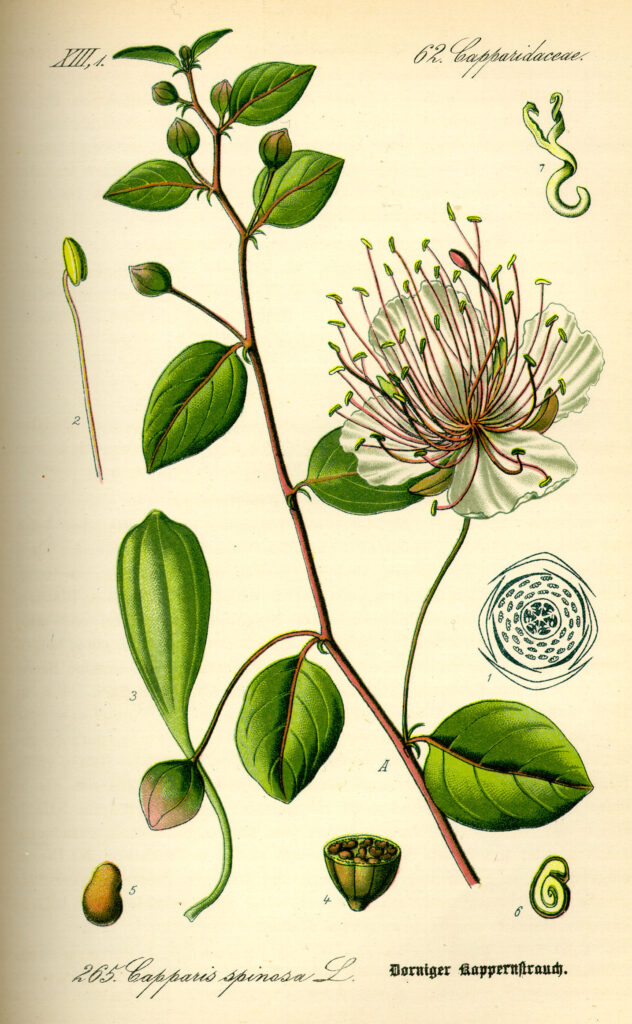
The Capparis Spinosa is a shrub-like plant that grows up to 1.5 meters tall. Its base is woody, while the stems and leaves are herbaceous. The plant produces small, white or pink flowers in late spring and early summer, which are highly prized for their delicate flavor and aroma.
How to Grow Capparis
Growing capparo can be a rewarding experience, especially with proper care and attention. Here are some tips to get you started:
- Choose a location with full sun to partial shade and well-drained soil.
- Plant the cappero in the spring or fall, when the weather is cooler.
- Water regularly, but avoid overwatering, which can lead to root rot.
- Fertilize annually with a balanced fertilizer, focusing on nitrogen, phosphorus, and potassium.
Cultivating Capparo for Optimal Results
When it comes to cultivating capparo, timing is everything. Here are some tips to ensure optimal growth:
- Prune the plant in late winter or early spring, removing any dead or damaged branches.
- Mulch around the base of the plant to retain moisture and suppress weeds.
- Use a trellis or cage to support the plant’s stems as it grows.
Cappereto: A DIY Approach
For those who want to try their hand at growing capparo, a cappereto (a small garden dedicated to capparo) is a great way to start. Here are some steps to follow:
- Choose a location with well-drained soil and full sun.
- Dig a hole about 50-60 cm deep and wide enough for the plant’s roots.
- Plant the cappero in the spring or fall, making sure the crown is at least 35 cm above the soil level.
- Water regularly and fertilize annually.
Medicinal Uses of Capparis
Capparo has been used for centuries in traditional medicine to treat a variety of ailments. Here are some of its medicinal uses:
- Digestive issues: The leaves and stems of capparo can be used to make teas or infusions that help alleviate digestive issues such as bloating, gas, and indigestion.
- Skin problems: Capparo has antiseptic properties that can help soothe skin irritations such as acne, eczema, and psoriasis.
- Respiratory issues: The plant’s antibacterial properties make it effective in treating respiratory issues such as bronchitis, asthma, and coughs.
Culinary Uses of Capparis
Capparo is a versatile herb that can be used in various dishes. Here are some of its culinary uses:
- Salads: Add capparo leaves to salads for their unique flavor and aroma.
- Soups: Use capparo stems and leaves to make soups such as minestrone, vegetable soup, or gazpacho.
- Stews: Capparo can be added to stews for its delicate flavor and texture.
- Marinades: Mix capparo with olive oil, garlic, and lemon juice to create marinades for meats and vegetables.
Conclusion
Growing capparo can be a rewarding experience, especially with proper care and attention. By understanding its characteristics, cultivation methods, and uses in cooking, you can unlock the full potential of this versatile herb. Whether you’re a seasoned gardener or just starting out, we hope this article has inspired you to give capparo a try.
Frequently Asked Questions
Q: What is the best time to plant capparo?
A: The best time to plant capparo is in the spring or fall, when the weather is cooler.
Q: How much water does capparo need?
A: Capparo needs regular watering, but avoid overwatering, which can lead to root rot.
Q: Can I grow capparo indoors?
A: Yes, you can grow capparo indoors in a container or pot. Make sure it receives enough light and water regularly.
Q: How often should I fertilize my capparo?
A: Fertilize your capparo annually with a balanced fertilizer, focusing on nitrogen, phosphorus, and potassium.
Q: Can I use capparo in soups and stews?
A: Yes, you can use capparo in soups and stews for its unique flavor and aroma.
Q: Is capparo toxic to humans or animals?
A: Capparo is not toxic to humans or animals, but eating too much of it may cause stomach upset.
Q: Can I grow multiple varieties of capparo together?
A: Yes, you can grow multiple varieties of capparo together, as long as they receive similar growing conditions.


