
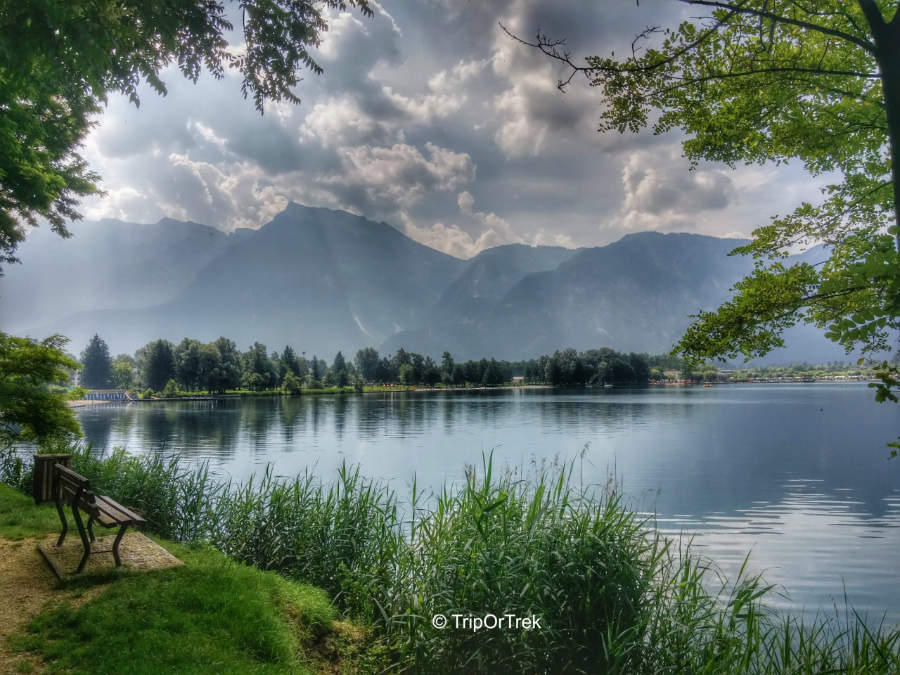
Levico Terme is a locality in the Valsugana area where I spent three days immersed in nature and thermal wellness. The purpose of my visit was to learn about the GSTC certification process, which aims to certify the Valsugana Lagorai as an ecotourism excellence in Italy and Europe.
Global Sustainable Tourism Council (GSTC)
In June 2018, the APT Valsugana and Lagorai initiated the path to obtain the GSTC certification for environmental sustainability and social responsibility. The Global Sustainable Tourism Council is a global association that defines standards of sustainability for tourism and promotes their application worldwide. The organization brings together partners such as UN Foundation, UN Environment (formerly UNEP), UN World Tourism Organization (UNWTO), Rainforest Alliance, and many others.
GSTC Certification Criteria
The GSTC certification criteria focus on services provided to citizens and tourists according to positive and sustainable models, including responsible tourism, ethical impact assessment of economic and social development strategies, cultural heritage protection, and environmental management (e.g., mobility plans, waste management, water pollution, reduction of non-renewable resource consumption, and clean energy).
Certification Process
After submitting the final dossier with all required data, an audit was conducted on the territory and in the coming weeks, the expected certification release is anticipated. The audit assesses whether the tourism service providers have implemented sustainable practices and demonstrate a commitment to environmental protection.
Valsugana Lagorai: A Systematic Approach to Sustainability
The GSTC certification will not only be a goal but also an element that will value and systematize the characteristics of Valsugana Lagorai as a territorial system dedicated to environmental protection, climate change mitigation, green experiences, and community well-being. The local authorities have recognized the importance of sustainability in tourism development and are working together with stakeholders to create a model of sustainable tourism.
My Visit to Levico Terme
During my three-day visit, I had the opportunity to visit some of the most significant tourist destinations in the Valsugana Lagorai district, which have been crucial references during the certification process. The local guides and tourism operators shared with me their knowledge about the natural and cultural heritage of the area.
Lago di Levico and Lago di Caldonazzo
The Lago di Levico and Lago di Caldonazzo are two of the most pristine lakes in Italy, both recognized as Blue Flags of Europe due to their water quality and sustainable management of the surrounding territory. Both lakes can be enjoyed from May to September. The local authorities have implemented measures to protect the water quality, such as monitoring the lake’s ecosystem and implementing waste management systems.
Le Terme di Levico e Vetriolo
On my second day, I visited The Thermal Baths of Levico, famous for their therapeutic properties of arsenical-ferruginous waters, unique in Italy and rare in Europe. The water of Levico, known as “Acqua Forte,” is meteoric and originates from the uncontaminated Lagorai chain at an altitude of 1600 meters.
The Acqua Forte has acquired therapeutic properties that have contributed to making Levico Terme a famous destination for relaxation and wellness worldwide. The thermal baths are managed sustainably, with measures such as reducing energy consumption and implementing recycling programs.
Arte Sella
As I walked through the trails, I discovered Arte Sella, a contemporary art gallery located in the woods, featuring artworks created with local materials such as wood, stone, and leaves. The artworks are designed to “live in nature” and return to earth, undergoing inevitable changes due to weather conditions or time.
The gallery is also a great example of sustainable tourism, promoting environmental awareness and appreciation for the natural beauty of the area. Visitors can learn about the local flora and fauna and participate in guided tours to explore the surrounding forest.
Vini a Km zero: Visit to the Cantine Romanese
Levico Terme is also a territory where high-quality wines are produced, including Trentodoc wines made by brothers Andrea and Giorgio Romanese. During my brief visit, I had the pleasure of meeting Giorgio and listening to the story of his winery, accompanied by some glasses of his wine! The winery was founded in 2009 with the goal of reviving viticulture in Valsugana.
The brothers are committed to sustainable winemaking practices, using techniques such as organic farming and minimal intervention in the production process. Visitors can learn about the production process and taste the wines at the on-site tasting room.
Castel Pergine
One of the places I did not miss visiting is Castel Pergine, a medieval fortress situated on Tegazzo hill and once considered the entrance to the Valsugana. The castle dates back to the 13th century and has had various owners throughout its history.
During my visit, I was able to appreciate all areas of the castle, including the walls, internal rooms like the Falconry Hall and Justice Hall, where you can taste traditional Trentino dishes at a local restaurant. The castle is also home to an art gallery featuring works by local artists.
Ortinparco
I also had the opportunity to visit Ortinparco, the 16th edition of the festival of gardens and orchards, which took place from April 25 to 28. The theme of this year’s festival was “Gardens and Orchards for facing climate change.”
One of the installations that caught my attention was the “Growroom,” a modular, spherical garden designed by architects Sine Lindholm and Mads-Ulrik Husum. Another installation was “Green Meccano,” a multi-functional module for creating transportable and flexible gardens.
Lastly, I also appreciated the “Memoriale degli Alberi Caduti” (Memorial of Fallen Trees), which honored the 180 trees that fell in the Park of the Thermal Baths due to an extreme weather event. The installation served as a reminder of the importance of conservation efforts and sustainable practices in tourism development.
Grains
To complete Ortinparco’s exhibition, there was a show called Grains, featuring large-scale images of seeds. The artwork highlighted the importance of preserving biodiversity and promoting sustainable agriculture practices in the region.
The festival was a great example of community engagement and collaboration between local stakeholders, including farmers, artists, and tourism operators. Visitors could participate in workshops and guided tours to learn about sustainable practices and appreciate the natural beauty of the area.
Conclusion
My visit to Levico Terme was an inspiring experience that highlighted the importance of sustainability in tourism development. The GSTC certification process is a valuable tool for promoting sustainable practices and environmental protection in the region.
The local authorities, tourism operators, and stakeholders have demonstrated a commitment to creating a model of sustainable tourism that prioritizes environmental protection, social responsibility, and community well-being. Visitors can experience the natural beauty and cultural heritage of Valsugana Lagorai while supporting sustainable tourism development.
As the world becomes increasingly aware of the importance of sustainability, destinations like Levico Terme offer an inspiring example of how tourism can be developed in a way that promotes environmental protection and social responsibility. By visiting these destinations, tourists can contribute to the conservation of natural resources and support local communities in their efforts to protect the environment.
In conclusion, my visit to Levico Terme was a unique opportunity to experience the beauty of Valsugana Lagorai while learning about sustainable tourism practices and environmental protection. I hope that this article will inspire readers to explore sustainable tourism destinations around the world and contribute to the conservation of our natural resources for future generations.
Sustainable Tourism in Italy
Italy is one of the leading tourist destinations in Europe, with a rich cultural heritage, stunning landscapes, and world-class cuisine. However, the country also faces significant environmental challenges, including climate change, pollution, and over-tourism.
In recent years, the Italian government has launched initiatives to promote sustainable tourism development, focusing on environmental protection, social responsibility, and community engagement. The GSTC certification is one of the tools used to promote sustainable tourism practices in Italy.
GSTC Certification in Italy
The GSTC certification process was first introduced in Italy in 2018, with the goal of promoting sustainable tourism development across the country. The certification criteria focus on services provided to citizens and tourists according to positive and sustainable models, including responsible tourism, ethical impact assessment of economic and social development strategies, cultural heritage protection, and environmental management.
Certification Process
The GSTC certification process in Italy involves several stages, including:
- Pre-certification: A pre-assessment of the tourism service provider’s sustainability practices.
- Application: The submission of a formal application for certification.
- Audit: An on-site audit to assess the service provider’s sustainability practices.
The GSTC certification is recognized globally and is considered a benchmark for sustainable tourism development.
Sustainable Tourism in Valsugana Lagorai
Valsugana Lagorai is a mountainous region located in northern Italy, known for its natural beauty, rich cultural heritage, and traditional cuisine. The region has implemented several initiatives to promote sustainable tourism development, including:
- Ecotourism: Valsugana Lagorai promotes ecotourism practices that respect the environment and local communities.
- Cultural Heritage: The region has implemented measures to protect its cultural heritage, including historic buildings, archaeological sites, and traditional craft industries.
Community Engagement
Community engagement is a key aspect of sustainable tourism development in Valsugana Lagorai. Local stakeholders have collaborated with tourism operators to promote environmental awareness and appreciation for the natural beauty of the area.
Visitors can participate in guided tours, workshops, and other activities that promote sustainability and community engagement. The region has also implemented measures to support local communities, including sustainable agriculture practices and traditional craft industries.
Conclusion
Sustainable tourism development is essential for promoting environmental protection, social responsibility, and community well-being. Italy’s experience with the GSTC certification process demonstrates its commitment to sustainable tourism practices and environmental protection.
Valsugana Lagorai offers an inspiring example of how tourism can be developed in a way that respects the environment and local communities. By visiting these destinations, tourists can contribute to the conservation of natural resources and support local communities in their efforts to protect the environment.
In conclusion, my visit to Levico Terme was a unique opportunity to experience the beauty of Valsugana Lagorai while learning about sustainable tourism practices and environmental protection. I hope that this article will inspire readers to explore sustainable tourism destinations around the world and contribute to the conservation of our natural resources for future generations.
Recommendations
Visitors who are interested in experiencing sustainable tourism practices in Italy can consider the following recommendations:
- Visit Valsugana Lagorai: The region offers stunning landscapes, rich cultural heritage, and traditional cuisine.
- Explore the GSTC certification process: Learn about the criteria and application process for GSTC certification in Italy.
- Support local communities: Participate in guided tours, workshops, and other activities that promote sustainability and community engagement.
By following these recommendations, visitors can contribute to the conservation of natural resources and support local communities in their efforts to protect the environment.
Sustainable Tourism Resources
For further information on sustainable tourism practices and environmental protection, please visit the following resources:
- GSTC Website: The Global Sustainable Tourism Council (GSTC) is a leading organization in promoting sustainable tourism development.
- Italian National Tourism Board: The Italian National Tourism Board offers information on sustainable tourism practices in Italy.
- Valsugana Lagorai Tourist Board: The Valsugana Lagorai Tourist Board provides information on sustainable tourism practices and community engagement initiatives in the region.
By visiting these resources, visitors can learn more about sustainable tourism practices and contribute to the conservation of our natural resources for future generations.


