
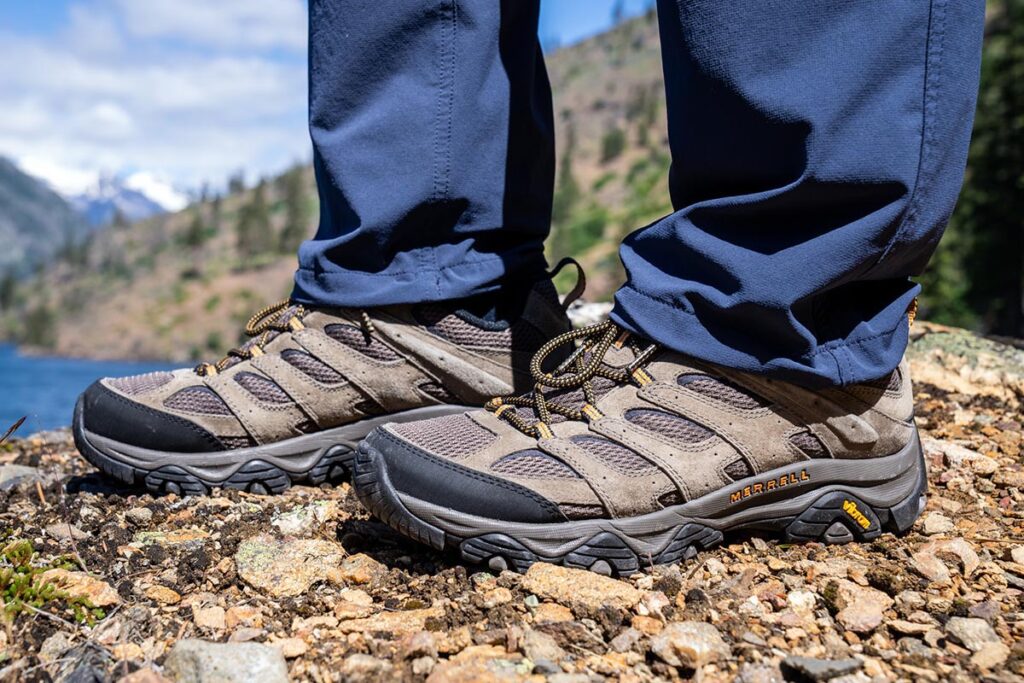
As the weather warms up, outdoor enthusiasts are eager to hit the trails for hiking, backpacking, and other adventures. But before you lace up your boots, it’s essential to choose the right shoes for the job. The wrong pair can lead to discomfort, blisters, and even injuries.
In this article, we’ll explore the best trekking shoes on the market, featuring models that offer excellent comfort, durability, and performance. We’ll also provide guidance on how to select the perfect shoe for your next outdoor adventure.
Why Choose Trekking Shoes?
Trekking shoes are designed specifically for hiking and backpacking, providing support, stability, and protection from rough terrain. They typically feature:
- Waterproof membranes (e.g., Gore-Tex)
- Breathable materials
- Good tread patterns for traction
- Cushioning for comfort
When shopping for trekking shoes, look for features that address your specific needs, such as ankle support, arch stability, and breathability.
Top Picks: Trekking Shoes for Every Occasion
Here are our top picks for trekking shoes, covering a range of styles and preferences:
1. Garmont Dragontail LT/Gore-Tex
Best for: Backpacking, day hiking, bouldering
The Garmont Dragontail LT/Gore-Tex is an excellent choice for backpackers and day hikers. This shoe features a comfortable, stretchy upper and a Vibram Super Trek sole for excellent traction.
2. Salomon Authentic LTR GTX
Best for: Long-distance hiking, rugged terrain
The Salomon Authentic LTR GTX is designed for long-distance hiking and rugged terrain. Its waterproof Gore-Tex membrane and Vibram sole provide excellent protection against the elements.
3. Terra Gore-Tex
Best for: Casual hiking, day trips
The Terra Gore-Tex is a great choice for casual hikers who want a comfortable, all-around shoe. This shoe features a breathable upper and a Vibram Energy sole with good traction.
4. Adidas Terrex Fast R GTX
Best for: Running on trails, trail running
The Adidas Terrex Fast R GTX is designed for trail running and fast-paced hiking. Its lightweight design and Vibram sole provide excellent performance and traction.
5. Zamberlan Trail Gore-Tex RR
Best for: Hiking, backpacking, all-around use
The Zamberlan Trail Gore-Tex RR is a versatile shoe suitable for hiking, backpacking, and everyday wear. This shoe features a comfortable upper and Vibram sole with good traction.
6. Hanwag Ferrata Combi Gore-Tex
Best for: Alpine hiking, technical terrain
The Hanwag Ferrata Combi Gore-Tex is designed for alpine hiking and technical terrain. Its waterproof Gore-Tex membrane and Vibram Climbing sole provide excellent protection against the elements.
7. La Sportiva Raptor GTX
Best for: Technical hiking, scrambling
The La Sportiva Raptor GTX is a lightweight shoe designed for technical hiking and scrambling. This shoe features a breathable upper and a Vibram sole with aggressive tread patterns.
8. Keen Targhee II Mid Waterproof
Best for: Casual hiking, day trips
The Keen Targhee II Mid Waterproof is a great choice for casual hikers who want a comfortable, waterproof shoe. This shoe features a breathable upper and a KEEN.Ridge sole with good traction.
9. Merrell Moab 2 Mid Waterproof
Best for: Hiking, backpacking, all-around use
The Merrell Moab 2 Mid Waterproof is a versatile shoe suitable for hiking, backpacking, and everyday wear. This shoe features a breathable upper and a Vibram sole with good traction.
10. Salomon Quest 4D 3 GTX
Best for: Long-distance hiking, rugged terrain
The Salomon Quest 4D 3 GTX is designed for long-distance hiking and rugged terrain. Its waterproof Gore-Tex membrane and Vibram sole provide excellent protection against the elements.
What to Look for When Choosing Trekking Shoes
When selecting trekking shoes, consider the following factors:
- Fit: Choose a shoe that fits comfortably, with enough room in the toe box and ankle support.
- Terrain: Select a shoe suitable for your planned terrain. For example, if you’ll be hiking on rough trails, choose a shoe with aggressive tread patterns.
- Waterproofing: Consider a shoe with a waterproof membrane (e.g., Gore-Tex) for protection against rain and snow.
- Breathability: Choose a shoe with breathable materials to prevent overheating during long hikes.
Additional Features to Consider
In addition to the factors mentioned above, consider the following features when choosing trekking shoes:
- Ankle support: Look for shoes with high ankle collars or additional ankle support systems for added stability.
- Cushioning: Choose a shoe with adequate cushioning in the midsole and forefoot to absorb shock and reduce fatigue.
- Traction: Consider a shoe with aggressive tread patterns for improved traction on rough terrain.
- Weight: Lighter shoes can make hiking more comfortable, but may compromise on support and stability.
Tips for Breaking in Your Trekking Shoes
Breaking in your trekking shoes is essential to prevent blisters and discomfort. Here are some tips:
- Wear them around town: Before taking long hikes, wear your trekking shoes around town to break them in.
- Use orthotics or arch supports: Consider using orthotics or arch supports to enhance ankle support and comfort.
- Lace them up correctly: Make sure to lace your shoes up correctly to prevent pressure on sensitive areas.
Maintenance and Repair
To extend the life of your trekking shoes, follow these maintenance and repair tips:
- Clean them regularly: Use a soft brush or cloth to clean away dirt and debris from your shoes.
- Condition the leather: Apply a waterproofing spray or conditioner to protect the leather upper.
- Replace the insoles: Consider replacing the insoles every 6-12 months to maintain comfort and support.
Conclusion
Choosing the right trekking shoes can make all the difference in your outdoor adventures. By considering factors like fit, terrain, waterproofing, and breathability, you can select a pair of shoes that meet your needs and provide comfort, support, and protection for hours on end.
Frequently Asked Questions (FAQs)
Q: What is the best trekking shoe for backpacking?
A: The Garmont Dragontail LT/Gore-Tex or Zamberlan Trail Gore-Tex RR are excellent choices for backpackers due to their comfortable fit, durable construction, and waterproof membranes.
Q: How do I choose the right size trekking shoes?
A: Make sure to try on several sizes to ensure a comfortable fit. Consider the width of your foot and the depth of your ankle when choosing a shoe.
Q: Can I wear trekking shoes for running?
A: While some trekking shoes are designed for trail running, they may not provide sufficient support or cushioning for high-impact activities like long-distance running.
Q: How often should I replace my trekking shoes?
A: Trekking shoes typically need to be replaced every 300-500 miles (480-800 km) or when the soles show signs of wear.


