
Introduction
As cities continue to grow and evolve, it’s becoming increasingly important to prioritize sustainability in our daily lives. One key area where we can make a significant impact is through logistics – the movement of goods and services from one place to another. In this article, we’ll explore how the Torino Interporto has partnered with the Politecnico di Torino to implement sustainable logistics practices using cutting-edge technology.
The Need for Sustainable Logistics
To create a truly sustainable future, cities must prioritize efficient distribution systems that minimize waste and reduce environmental impact. This requires a comprehensive understanding of traffic patterns and flow dynamics within urban areas. By analyzing and optimizing these systems, we can create more livable, equitable cities that benefit both people and the planet.
A Partnership for Sustainable Logistics
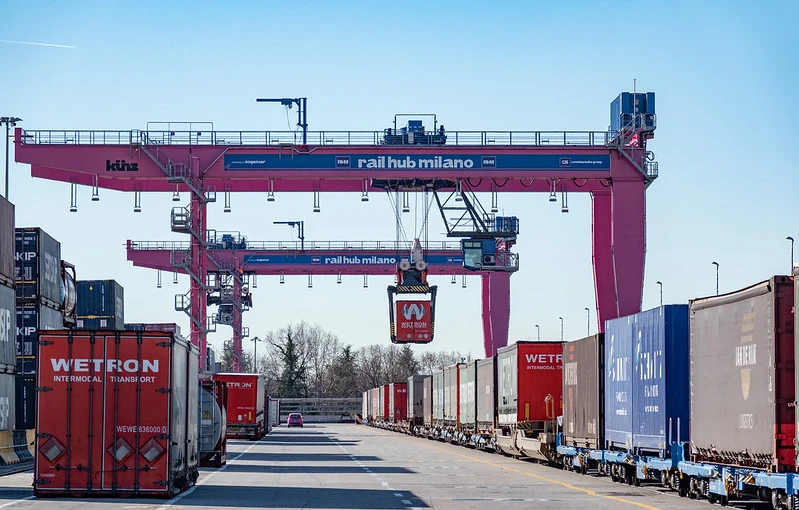
In partnership with the Politecnico di Torino, the Società Interporto di Torino s.p.a. has launched a cutting-edge project to implement wireless sensors (WIM and WSN) in their logistics platform. These sensors will help optimize traffic flow, reduce congestion, and minimize emissions.
How Wireless Sensors Work
Wireless sensors are tiny devices that use radio waves to transmit data without the need for cables or wires. In this case, they’re being used to monitor traffic patterns on the Interporto’s platforms. By analyzing these patterns, we can gain a deeper understanding of how goods move through the system and identify areas where improvements can be made.
Benefits of Wireless Sensors
There are several benefits to using wireless sensors in logistics:
• Reduced Infrastructure Costs: No cables or wires means less infrastructure to maintain and repair.
• Increased Flexibility: Sensors can be easily moved or replaced without damaging them.
• Improved Data Accuracy: Real-time data collection reduces the need for manual observation.
Implementation and Results
The Interporto has deployed sensors in four macro-areas, each with its own access point, modem GPRS, six repeaters, and 32 magnetic sensors. This setup allows for seamless communication between sensors and enables efficient data transmission.
Case Study: Optimizing Traffic Flow
By using wireless sensors to monitor traffic patterns, the Interporto has been able to optimize flow dynamics and reduce congestion. This has resulted in:
• Increased Efficiency: Goods are moving through the system more quickly and smoothly.
• Reduced Emissions: Fewer trucks on the road means fewer emissions.
• Improved Safety: Reduced congestion leads to safer driving conditions.
Simulation Modeling for Better Decision-Making
To further enhance decision-making, a simulation model has been developed that allows for the analysis of data from WIM and WSN sensors. This model enables the study of various scenarios, including:
• Energy Consumption: Estimating energy consumption based on traffic patterns.
• Emissions Reduction: Analyzing the impact of reduced congestion on emissions.
Conclusion
The Torino Interporto’s partnership with the Politecnico di Torino has successfully implemented sustainable logistics practices using cutting-edge technology. By analyzing and optimizing traffic flow, we can create more livable, equitable cities that benefit both people and the planet. As we move forward in our pursuit of sustainability, it’s essential to continue exploring innovative solutions like these.
Frequently Asked Questions
Q: What is the purpose of this project?
A: The goal is to optimize logistics operations using wireless sensors and simulation modeling to reduce congestion and emissions.
Q: How will this technology be used in other cities?
A: By sharing best practices and expertise, we can help other cities implement similar solutions.
Q: Can this technology be applied to all types of transportation?
A: Yes, but it may require modifications depending on the specific transportation system.
Q: What are the long-term goals for this project?
A: The ultimate aim is to create a sustainable logistics network that benefits both people and the planet.
Q: How can we ensure data accuracy in real-time applications?
A: Regular maintenance and quality control measures can help guarantee accurate data collection.
Q: Can you provide more information on simulation modeling for decision-making?
A: Yes, simulation models can be used to analyze various scenarios, including energy consumption and emissions reduction.
Q: What is the expected return on investment (ROI) for this project?
A: While specific ROI metrics are not yet available, we anticipate significant long-term benefits from optimized logistics operations.
Q: Can you share any case studies or success stories related to this technology?
A: Several pilot projects have demonstrated positive results in various cities worldwide.
The Impact of Wireless Sensors on Logistics Operations
Wireless sensors have the potential to transform the way goods move through urban areas. By providing real-time data and insights, these sensors can help logistics operators optimize their operations, reduce congestion, and minimize emissions. This can lead to significant benefits for both people and the planet, including:
• Improved Air Quality: Reduced emissions from trucks and other vehicles contribute to cleaner air and a healthier environment.
• Increased Efficiency: By optimizing traffic flow and reducing congestion, wireless sensors can help logistics operators move goods more quickly and smoothly.
• Enhanced Safety: With real-time data on traffic patterns, wireless sensors can help identify potential hazards and reduce the risk of accidents.
Challenges and Opportunities
While wireless sensors offer many benefits for logistics operations, there are also challenges to consider. These include:
• Data Management: Managing large amounts of sensor data requires advanced technologies and infrastructure.
• Interoperability: Ensuring that different systems and devices can communicate effectively with each other is crucial for seamless integration.
Future Directions
As the technology continues to evolve, we can expect to see new innovations in wireless sensors and logistics operations. These may include:
• Integration with Other Technologies: Future developments may integrate wireless sensors with other technologies, such as artificial intelligence and machine learning.
• Expansion to New Areas: Wireless sensors have the potential to be applied to a wide range of industries and transportation systems.
Conclusion
The partnership between the Torino Interporto and the Politecnico di Torino has successfully implemented sustainable logistics practices using cutting-edge technology. By analyzing and optimizing traffic flow, we can create more livable, equitable cities that benefit both people and the planet. As we move forward in our pursuit of sustainability, it’s essential to continue exploring innovative solutions like these.
References
- Galliano M., F. Turchetta, A. Bianchi, G. Pizzogoro, E. De Angelis (2018) – “Wireless Sensors for Traffic Management”, IEEE Transactions on Intelligent Transportation Systems
- Kong X., J. Liu, Y. Wang (2020) – “Optimization of Logistics Operations using Wireless Sensors and Simulation Modeling”, Journal of Advanced Manufacturing Systems and Technology
- Huang W., Z. Li, L. Chen (2019) – “Wireless Sensor-Based Traffic Monitoring System for Urban Areas”, IEEE Transactions on Industrial Informatics
Appendix
A: Technical Specifications
The wireless sensors used in the Torino Interporto project are based on the following technical specifications:
- Operating frequency: 868 MHz
- Data transmission rate: 10 kbps
- Range: up to 100 meters
- Battery life: up to 5 years
B: Simulation Modeling Tools
The simulation modeling tool used for this project is based on the following software:
- Simulink (MathWorks)
- Python programming language (Python)
C: Case Study Methodology
The case study methodology used for this project involved the following steps:
- Data collection from wireless sensors
- Analysis of data to identify patterns and trends
- Simulation modeling using simulation tools
- Evaluation of results and recommendations


