
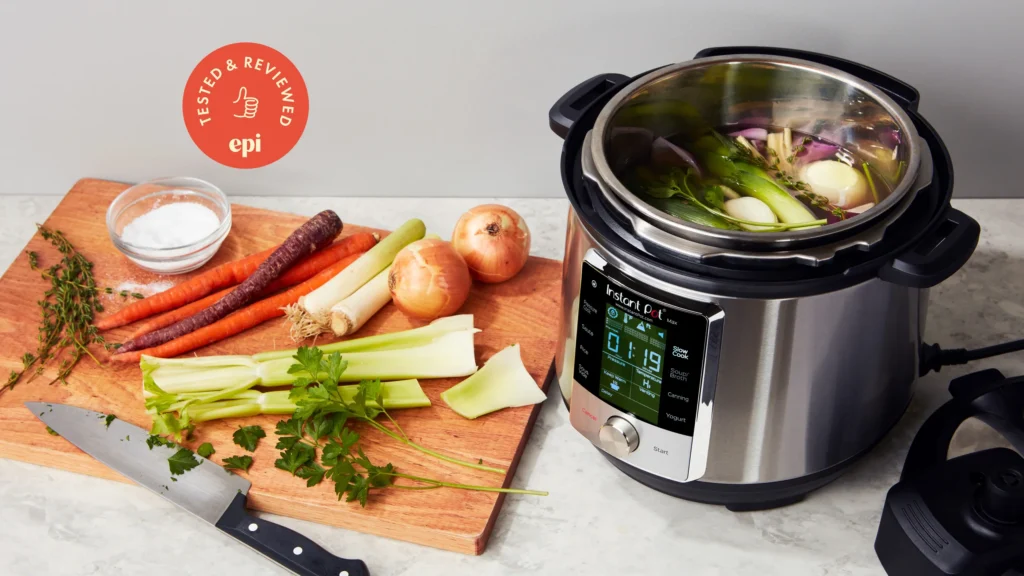
As we continue to explore the world of cooking, one appliance that stands out for its efficiency and versatility is the pressure cooker. Not only does it save gas and water, but it also enables us to cook a wide range of dishes with ease. In this article, we’ll delve into the basics of using pressure cookers, discuss common mistakes to avoid, provide valuable tips for perfecting your cooking technique, and explore the various types of food that can be cooked in these incredible devices.
The Benefits of Cooking with Pressure Cookers
Before diving into the nitty-gritty of cooking with pressure cookers, let’s take a look at some of the benefits they offer. One of the most significant advantages is the reduction in gas and water consumption. By using a pressure cooker, you can significantly decrease your energy bills while still achieving delicious results.
Pressure cookers are also ideal for reducing food waste by allowing you to cook tougher cuts of meat faster and more efficiently. This means that you can create mouth-watering meals from scraps that would otherwise be discarded.
Another significant benefit is the preservation of nutrients. Cooking with pressure cookers helps retain more vitamins and minerals in your food, as the shorter cooking time minimizes nutrient loss.
Common Mistakes to Avoid When Cooking with Pressure Cookers
Now that we’ve covered the benefits, let’s move on to some common mistakes to avoid when cooking with pressure cookers. One of the most critical errors is overloading the pot. Never fill more than 2/3 of the volume with food and never exceed half of the pot’s capacity with water. This ensures that the pressure cooker functions optimally and prevents potential safety issues.
Another crucial mistake is not using enough liquid. While it may seem counterintuitive, too little liquid can affect the cooking process. Always use at least 1 cup of liquid for every cooking cycle to ensure proper results.
The Art of Cooking with Pressure Cookers: Tips and Tricks
Now that we’ve covered the basics, let’s dive into some expert tips for perfecting your pressure cooker technique. The key to cooking well is timing, so remember that it’s always better to undercook than overcook. Slightly reduce the heat 2 minutes before the recommended cooking time to avoid overcooking.
Another important factor to consider is the size of your ingredients. Cutting food into uniform pieces can help with cooking times and prevent uneven cooking.
Understanding Pressure Cooking Pressure
Pressure cookers work by using high pressure to accelerate cooking times. The pot is sealed, creating a vacuum that raises the temperature inside the cooker. This increased heat causes the water inside the pot to boil rapidly, resulting in faster cooking times.
The pressure gauge on your cooker will typically indicate the pressure level as it builds up during cooking. Pay attention to this gauge and adjust your cooking time accordingly.
Cooking Times for Different Foods
Now that we’ve explored the basics of cooking with pressure cookers, let’s take a look at some general cooking times for different foods. Remember that these are just guidelines, and actual cooking times may vary depending on the size of your ingredients.
- Chicken breast: 15 minutes
- Vegetables: 5 minutes
- Beef brisket: 10-12 minutes
- Rice: 5-6 minutes
- Asparagus: 4 minutes
- Cauliflower: 6 minutes
- Green beans: 3-4 minutes
- Lentils: 15-20 minutes
Tips for Specific Foods
When cooking specific foods in a pressure cooker, keep the following tips in mind:
- Meat: Add aromatics like onions and garlic to enhance flavor. Use a meat thermometer to ensure the internal temperature reaches a safe minimum.
- Rice: Always use a rice paddle or utensil to prevent breaking grains.
- Legumes: Soak dried legumes before cooking for faster digestion and reduced cooking time.
- Vegetables: Blanch vegetables in water for 2-3 minutes before pressure cooking to enhance texture and color.
Pressure Cooker Safety Precautions
When operating a pressure cooker, always follow these essential safety precautions:
- Never leave the cooker unattended while it is in use.
- Always ensure that the pot is properly sealed before starting cooking.
- Regularly inspect your cooker for signs of wear or damage.
- Use gloves when handling hot pots and pans.
Choosing the Right Pressure Cooker
With so many types of pressure cookers available, choosing the right one can be daunting. Here are some key factors to consider:
- Size: Choose a pot that suits your cooking needs and available space.
- Material: Look for durable materials like stainless steel or cast iron.
- Brand reputation: Research reputable brands known for producing high-quality cookware.
Pressure Cooker Maintenance
To ensure optimal performance, regular maintenance is essential. Here are some tips to keep in mind:
- Clean the pot regularly with a gentle cleanser and avoid abrasive scrubbers.
- Descale your cooker every 3-4 months using a mixture of water and white vinegar.
- Check for signs of wear or damage on the lid and gasket, replacing them as needed.
Conclusion
In conclusion, pressure cookers are an excellent addition to any kitchen. With the right techniques and knowledge, you can unlock a world of culinary possibilities while saving time, gas, and water. Remember to avoid common mistakes, use the right cooking times, and experiment with different recipes to find your new favorite dishes.
Frequently Asked Questions
-
What is the difference between a pressure cooker and an Instant Pot?
A pressure cooker is a traditional device that uses high pressure to accelerate cooking times. An Instant Pot, on the other hand, is a multifunctional appliance that combines pressure cooking with slow cooking, sautéing, and more. -
Can I use any type of pot as a pressure cooker?
No, not all pots are suitable for pressure cooking. You need a pot specifically designed for pressure cooking, which typically has a lid and a locking mechanism to ensure safe operation. -
How do I calculate cooking times for different foods in a pressure cooker?
To calculate cooking times, consider the size of your ingredients, the type of food being cooked, and the specific cooking settings on your pressure cooker. Always consult your user manual or online resources for guidance. -
What are some common safety precautions when using a pressure cooker?
When operating a pressure cooker, always follow the manufacturer’s instructions, never leave it unattended, and ensure that the pot is properly sealed before starting cooking. Be aware of potential hazards like steam leaks or explosion risks. -
Can I cook soups and stews in a pressure cooker?
Yes, pressure cookers are ideal for cooking soups and stews. Simply add your ingredients to the pot, close the lid, and set the cooking time according to your recipe’s requirements. -
How do I maintain my pressure cooker to ensure optimal performance?
Regularly clean your pressure cooker with a gentle cleanser, descale it every 3-4 months, and replace worn-out parts as needed. By following these maintenance tips, you can extend the life of your pressure cooker and enjoy years of trouble-free cooking. -
Can I use a pressure cooker for slow cooking?
Some pressure cookers come with slow cooking capabilities, allowing you to cook food over an extended period at lower temperatures. Consult your user manual or manufacturer’s website for specific instructions on using your device for slow cooking. -
What are some popular recipes that can be cooked in a pressure cooker?
Pressure cookers are perfect for a wide range of dishes, including soups, stews, chili, rice, and grains. Experiment with different recipes to find your new favorite comfort foods!


