
Introduction to Herbal Plants
Herbal plants have been a cornerstone of human health and wellness for centuries. From producing essential oils to creating natural remedies, these plants offer a wide range of possibilities for transformation and application. Let’s take the example of rosemary, a herb that excels in its versatility, used not only for culinary purposes but also as an aromatic ingredient, medicinally, cosmetically, and even in veterinary care.
As we explore the uses of herbal plants, it becomes clear that they transcend traditional medicine, entering multiple sectors such as food, fragrance, healthcare, and animal care. In this article, we’ll delve into the use of herbal plants as natural health remedies.
The Salutary Action of Herbal Plants: Understanding the Principals
Herbal plants captivate attention due to their “active principles,” compounds produced by secondary metabolism in plants. These active principles manifest different salutary actions, some involving nutritional aspects, such as so-called “alimentary herbs” like thyme, rosemary, and malva.
These plants deviate from the conventional dosage and form of medication, yet their active principles make them perfect for supporting and optimizing physiological processes within our body. Scientific studies have highlighted the utility of herbal plants in managing chronic diseases, suggesting they can slow down and counteract potential complications and degenerative fisiological effects.
For instance, the anti-inflammatory properties of Ribes nero extract, dubbed “natural cortisone,” are widely recognized. Another classic example is the use of Biancospino to regulate temporary hypertension during pregnancy, where conventional antihypertensives might harm the developing fetus or pregnant woman.
The Importance of Caution and Expertise
While herbal plants offer incredible benefits, their usage must be approached with caution and under expert guidance. Without proper knowledge, using these plants can lead to unintended side effects, even severe ones. It is always advisable to consult a healthcare professional or authorized medical practitioner before administering herbal remedies.
Even when resorting to natural remedies and self-medication, it’s crucial to document thoroughly and seek advice from a doctor, especially during periods of illness. The use of herbal plants as natural health remedies should be approached with care.
Understanding the Benefits of Herbal Plants
Herbal plants have been used for centuries to treat various ailments, including gastrointestinal issues, respiratory problems, and mental health concerns. They can also provide relief from stress, anxiety, and insomnia.
Some of the benefits of using herbal plants include:
- Natural remedies: Herbal plants offer an alternative to conventional medicine, providing a safer and more natural approach to treating various health conditions.
- Cost-effective: Many herbal plants are inexpensive and readily available, making them accessible to people from all walks of life.
- Multifaceted uses: Herbal plants can be used in cooking, aromatherapy, skincare, and as medicinal remedies, offering a diverse range of applications.
- Holistic approach: Herbal plants promote a holistic approach to health, considering the interconnectedness of body, mind, and spirit.
Common Types of Herbal Plants
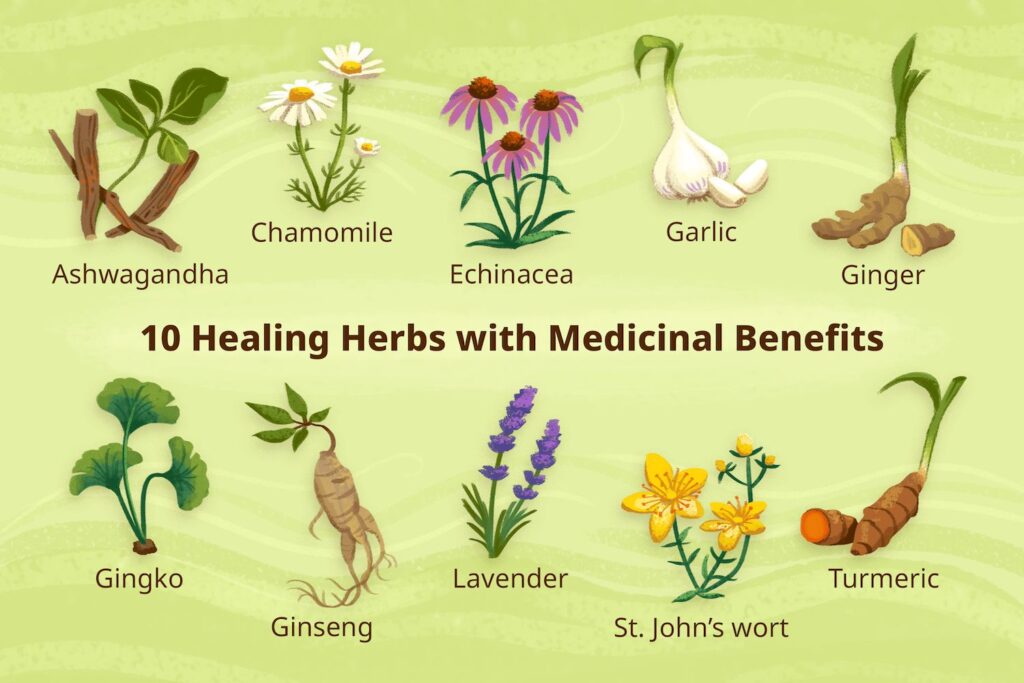
There are numerous types of herbal plants, each with its unique properties and benefits. Some of the most commonly used herbs include:
- Turmeric: Known for its anti-inflammatory properties, turmeric is often used to treat arthritis, digestive issues, and skin conditions.
- Ginger: With its anti-inflammatory compounds, ginger is a popular remedy for nausea, indigestion, and menstrual cramps.
- Peppermint: Peppermint oil is commonly used to relieve headaches, migraines, and digestive issues.
- Echinacea: Also known as coneflower, echinacea is believed to boost the immune system, reducing the severity of colds and flu.
Growing Your Own Herbal Plants
Growing your own herbal plants can be a rewarding experience, providing access to fresh herbs for medicinal use. However, it’s essential to ensure proper identification, quality control, and knowledge of safe preparation methods before using them as natural remedies.
Here are some tips for growing your own herbal plants:
- Choose the right location: Select a spot with adequate sunlight and well-draining soil.
- Use organic gardening methods: Avoid using chemical pesticides or fertilizers, opting instead for natural alternatives.
- Harvest fresh herbs regularly: Regular harvesting encourages healthy growth and prevents the spread of pests and diseases.
Safety Precautions when Using Herbal Plants
While herbal plants can be a safe and effective alternative to conventional medicine, there are potential risks associated with their use. Some common safety precautions include:
- Consulting a healthcare professional: Before using any herbal plant, consult with a doctor or authorized medical practitioner.
- Documenting usage: Keep track of your usage and monitor for any adverse reactions or interactions with medications.
- Choosing high-quality herbs: Ensure that the herbal plants you use are of high quality, fresh, and properly identified.
Conclusion
Herbal plants have been a cornerstone of human health for centuries, offering a wide range of applications and benefits. Understanding their salutary actions, nutritional aspects, and potential interactions is essential for harnessing their full potential while minimizing risks.
Stay tuned for our next article where we’ll delve deeper into the world of herbal plants, exploring different species, uses, and expert recommendations.
Frequently Asked Questions (FAQs)
- What are active principles in herbal plants?
Active principles in herbal plants refer to compounds produced by secondary metabolism that possess medicinal properties.
- Can I use herbal plants without consulting a doctor?
While some herbal plants can be used with caution, it is always recommended to consult a healthcare professional or authorized medical practitioner before using them as natural health remedies.
- How do herbal plants support physiological processes in the body?
Herbal plants contain active principles that optimize and support various bodily functions, such as immune response, digestion, and stress management.
- What are alimentary herbs, and how do they benefit human health?
Alimentary herbs refer to plants used for nutritional purposes, enhancing overall well-being by providing essential vitamins, minerals, and antioxidants.
- Can herbal plants be used in combination with conventional medicine?
Yes, many herbal plants can be safely combined with conventional treatments under the guidance of a healthcare professional.
- How do I choose the right herbal plant for my health needs?
To select an appropriate herbal plant, research its properties, active principles, and recommended uses based on your specific health concerns and consult with a medical expert if necessary.
- What are potential side effects associated with using herbal plants?
While generally safe when used correctly, certain herbal plants may cause adverse reactions or interact with medications; therefore, it is crucial to exercise caution and seek advice from a healthcare professional.
- Can I grow my own herbal plants at home for medicinal use?
Growing your own herbal plants can be beneficial for access to fresh herbs, but ensure proper identification, quality control, and knowledge of safe preparation methods before using them as natural remedies.


