
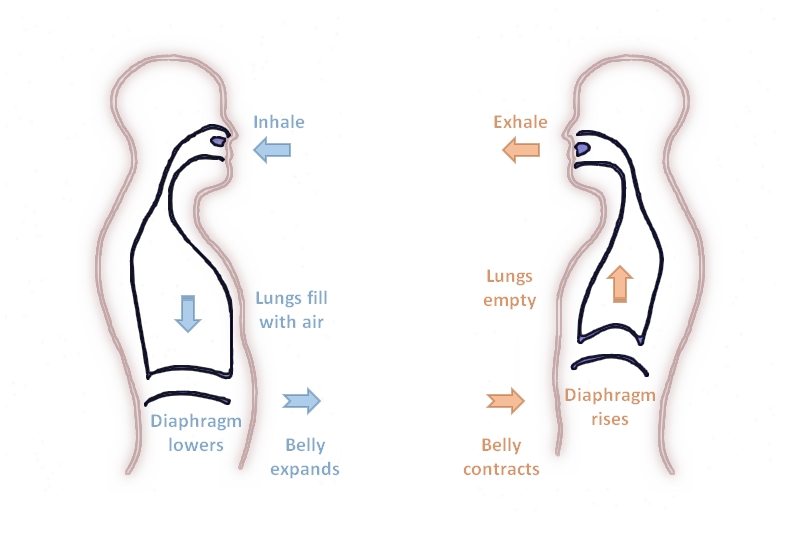
Have you ever heard of diaphragmatic breathing, a technique that has been touted as a panacea for various ailments? It’s true, this type of breathing has numerous benefits, from reducing stress and anxiety to improving overall well-being. But what exactly is diaphragmatic breathing, and how can it be incorporated into your daily life?
What is the Diaphragm?
The diaphragm, also known as the diafragma, is a crucial muscle that separates the chest cavity from the abdominal cavity. It plays a vital role in our respiratory system, working in conjunction with other muscles to expand and contract the lungs during breathing.
Imagine the diaphragm as a cupola under the lungs. When we inhale, the cupola expands, allowing more air into the lungs. Conversely, when we exhale, the cupola contracts, forcing air out of the lungs. This dynamic movement is essential for efficient breathing.
Understanding Diaphragmatic Breathing
Diaphragmatic breathing involves contracting and relaxing the diaphragm to facilitate deep, slow breaths. When done correctly, this technique can help increase lung capacity, reduce stress, and promote relaxation.
In contrast, toracic breathing, which is the most common type of breathing, relies on the muscles between the ribs to expand and contract the chest cavity. This type of breathing can lead to shallow, rapid respirations and, subsequently, fatigue.
Why is Diaphragmatic Breathing Important?
Diaphragmatic breathing has numerous benefits, making it an excellent practice for individuals seeking to improve their overall health and well-being. Some of the advantages of diaphragmatic breathing include:
- Reduced stress and anxiety
- Improved sleep quality
- Increased energy levels
- Enhanced athletic performance
Getting Started with Diaphragmatic Breathing
While it may seem daunting, incorporating diaphragmatic breathing into your daily routine is easier than you think. Here are some tips to help you get started:
- Relax Your Posture: Maintain a relaxed posture, avoiding slouching or tensing up. This will allow the diaphragm to work efficiently.
- Remove Restrictive Clothing: Avoid wearing tight clothing that may constrict your abdominal area, making it harder for the diaphragm to expand.
- Practice Deep Breathing Exercises: Focus on slow, deep breaths, inhaling through your nose and exhaling through your mouth. Try to maintain a steady pace and avoid rapid breathing.
- Practice Regularly: Consistency is key when developing new habits. Set aside time each day to practice diaphragmatic breathing exercises.
Benefits of Diaphragmatic Breathing
Diaphragmatic breathing has numerous benefits, making it an excellent practice for individuals seeking to improve their overall health and well-being. Some of the advantages of diaphragmatic breathing include:
- Reduced Stress and Anxiety: Diaphragmatic breathing can help reduce stress and anxiety by promoting relaxation and calmness.
- Improved Sleep Quality: Regular practice of diaphragmatic breathing can lead to improved sleep quality, which is essential for overall well-being.
- Increased Energy Levels: By increasing lung capacity and reducing stress, diaphragmatic breathing can contribute to increased energy levels and better overall health.
- Enhanced Athletic Performance: Diaphragmatic breathing can also enhance athletic performance by allowing athletes to breathe more efficiently during exercise.
Tips for Improving Diaphragmatic Breathing
Incorporating diaphragmatic breathing into your daily routine can be beneficial for individuals of all ages. Here are some tips to help you improve your diaphragmatic breathing:
- Practice Regularly: Consistency is key when developing new habits. Set aside time each day to practice diaphragmatic breathing exercises.
- Relax Your Posture: Maintain a relaxed posture, avoiding slouching or tensing up. This will allow the diaphragm to work efficiently.
- Remove Restrictive Clothing: Avoid wearing tight clothing that may constrict your abdominal area, making it harder for the diaphragm to expand.
- Practice Deep Breathing Exercises: Focus on slow, deep breaths, inhaling through your nose and exhaling through your mouth. Try to maintain a steady pace and avoid rapid breathing.
Common Challenges to Diaphragmatic Breathing
While diaphragmatic breathing is an excellent practice for improving overall health and well-being, it can be challenging to develop this technique. Here are some common challenges to diaphragmatic breathing:
- Difficulty Relaxing the Diaphragm: The diaphragm can be difficult to relax, especially if you have a history of stress or anxiety.
- Poor Posture: Maintaining good posture is crucial for diaphragmatic breathing. Avoid slouching or tensing up, as this can make it harder for the diaphragm to work efficiently.
- Respiratory Issues: Certain respiratory issues, such as chronic obstructive pulmonary disease (COPD), may make it difficult to practice diaphragmatic breathing.
Conclusion
Diaphragmatic breathing is an essential technique that can have a profound impact on our physical and mental well-being. By incorporating this type of breathing into your daily routine, you’ll be taking the first step towards improving your overall health and unlocking your full potential.
FAQs:
- What are the benefits of diaphragmatic breathing?
- Reduced stress and anxiety
- Improved sleep quality
- Increased energy levels
- Enhanced athletic performance
- How do I practice diaphragmatic breathing?
- Relax your posture
- Remove restrictive clothing
- Practice deep breathing exercises
- Practice regularly
- Can diaphragmatic breathing be used for relaxation and stress relief?
- Yes, diaphragmatic breathing can help reduce stress and anxiety.
- Is diaphragmatic breathing suitable for everyone?
- Diaphragmatic breathing may not be suitable for individuals with certain medical conditions or respiratory issues; consult a healthcare professional before starting any new exercise routine.


