
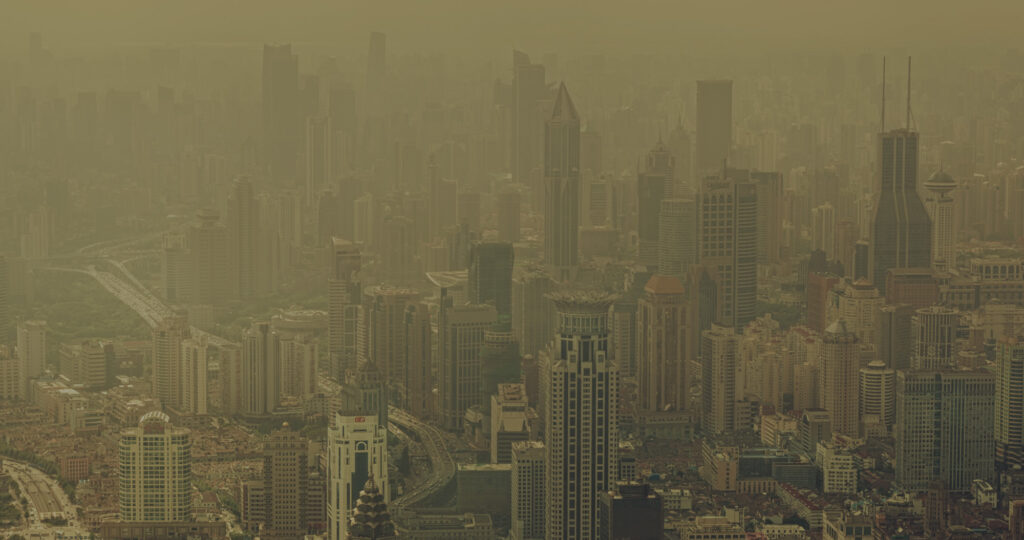
In recent years, China has become synonymous with environmental degradation. From the rapid industrialization to the growing population, China’s growth has led to devastating consequences for its citizens and the environment. In this article, we will delve into the world of air pollution in China and explore its causes, effects, and potential solutions.
The Statistics are Alarming
According to the World Health Organization (WHO), air pollution is responsible for 1.1 million deaths in China every year. This staggering number is directly linked to smog and particulate matter (PM) emissions. The PM levels recorded in many areas of China, particularly in northern and northeastern regions, exceed 50 times the maximum allowable limit set by the WHO.
The WHO also reports that air pollution is responsible for a significant increase in respiratory diseases, such as chronic bronchitis and lung cancer. In addition, air pollution can cause cardiovascular disease, neurological damage, and other health problems.
The Human Cost
Air pollution is not just a theoretical concept; it has real-life consequences for individuals. The people of China are forced to wear masks to protect themselves from inhaling toxic particles. This is not just an inconvenience but a necessity. Studies have shown that air pollution is linked to an increased risk of lung cancer, cardiovascular disease, and other health problems.
In addition, air pollution can also have significant social and economic impacts. For example, air pollution can lead to absenteeism from work, which can result in lost productivity and economic losses for individuals and businesses.
Beyond Atmosphere
Air pollution in China is not limited to the atmosphere. The country also suffers from soil contamination, water pollution, and habitat destruction. The loss of biodiversity has led to widespread concern among environmentalists.
Soil contamination occurs when pollutants such as heavy metals and pesticides are released into the soil, contaminating it and affecting plant growth and human health. Water pollution occurs when industrial waste and agricultural runoff enter waterways, harming aquatic life and human health.
Habitat destruction occurs when natural habitats are destroyed or degraded due to human activities such as deforestation, urbanization, and infrastructure development. This can lead to the loss of biodiversity and ecosystem disruption.
The Government’s Response
While the Chinese government claims to be taking measures to contain the damage caused by industrial activity, many experts argue that these efforts are insufficient. The rapid industrialization and population growth continue to put pressure on the environment.
In recent years, the Chinese government has implemented various policies to address environmental issues, such as the “12th Five-Year Plan” which aims to reduce greenhouse gas emissions and promote sustainable development. However, these efforts have been criticized for being inadequate and ineffective in addressing the scale of environmental degradation in China.
Emissions and Climate Change
Air pollution in China has a significant impact on global climate change. As the largest emitter of greenhouse gases, China’s refusal to comply with the Kyoto Protocol has sparked controversy worldwide.
China’s high levels of carbon dioxide emissions are largely due to its reliance on fossil fuels for energy production, transportation, and industry. This contributes to climate change by trapping heat in the atmosphere and leading to global warming.
Protests and Activism
Despite the government’s lack of action, protests against environmental degradation continue to rise. In 2012 alone, there were over 50,000 environmental protests in China. The people are demanding change, and their voices are being heard.
These protests highlight the growing concern among Chinese citizens about environmental issues and the need for greater accountability from the government. They also demonstrate the power of grassroots activism in driving social and political change.
A Comparison with the Past
The Chinese government’s approach to environmental policy has been compared to that of the United States in the early 1970s. Today, many critics argue that China’s environmental policies are a step backward, allowing industries like coal mining and manufacturing to continue unchecked.
In contrast, the United States took steps in the 1970s to address environmental concerns, such as implementing regulations on pollution control and setting aside natural areas for conservation. These efforts have had significant long-term benefits for the environment and public health.
Hidden Dangers
In addition to air pollution, there are other hidden dangers lurking beneath the surface. In 2014, thousands of workers were exposed to toxic chemicals while working in factories, resulting in serious health complications for many. This incident highlights the need for greater transparency and regulation in China’s industrial sector.
Other hidden dangers include soil contamination, water pollution, and habitat destruction, which can have significant impacts on human health and the environment.
The State of Coastal Ecosystems
China’s coastal ecosystems are under threat due to human activities like overfishing and pollution. The loss of marine habitats has resulted in a 65% decline in wetland areas along the Yellow Sea coast. This degradation has occurred at an alarming rate, with many experts warning that it will take decades for these ecosystems to recover.
The impact of coastal ecosystem degradation can be felt far beyond China’s borders. For example, changes in ocean chemistry and temperature can affect global fisheries and marine food chains.
Why is China’s Environmental Crisis so Severe?
Several factors contribute to China’s environmental crisis:
- Rapid industrialization and economic growth
- Growing population and increasing energy demand
- Lack of effective regulation and enforcement
- Inadequate waste management and pollution control measures
These factors have created a perfect storm that has led to widespread environmental degradation in China. Addressing this crisis will require significant changes in policy, behavior, and attitudes.
Conclusion
China’s air pollution crisis is a pressing global issue that requires immediate attention. The country must take bold action to address the root causes of its environmental degradation, including rapid industrialization, growing population, and inadequate policies. Only then can China hope to mitigate the devastating consequences of its environmental crisis.
In addition to addressing these underlying factors, China must also take concrete steps to reduce air pollution, improve waste management, and promote sustainable development. This will require significant investments in clean technologies, infrastructure, and education and training programs.
Frequently Asked Questions
- What is the main cause of air pollution in China?
- Rapid industrialization and economic growth
- How many people die each year due to air pollution in China?
- According to the WHO, 1.1 million deaths annually
- What are some of the most significant environmental impacts of air pollution in China?
- Soil contamination, water pollution, habitat destruction, and loss of biodiversity
- Why is it difficult for China to address its environmental crisis?
- Lack of effective regulation and enforcement, inadequate waste management and pollution control measures
- What are some potential solutions to China’s environmental crisis?
- Rapid transition to renewable energy sources, stricter regulations on industrial activity, increased investment in clean technologies
- How can individuals contribute to reducing air pollution in China?
- Using public transport or carpooling, avoiding burning fossil fuels, supporting organizations that work on environmental issues
- What is the current status of China’s efforts to address climate change?
- China has committed to peak CO2 emissions by 2030 and achieve carbon neutrality by 2060.
- How can governments around the world support China in its efforts to address its environmental crisis?
- Providing financial assistance for clean technologies, sharing best practices and expertise in environmental governance


