
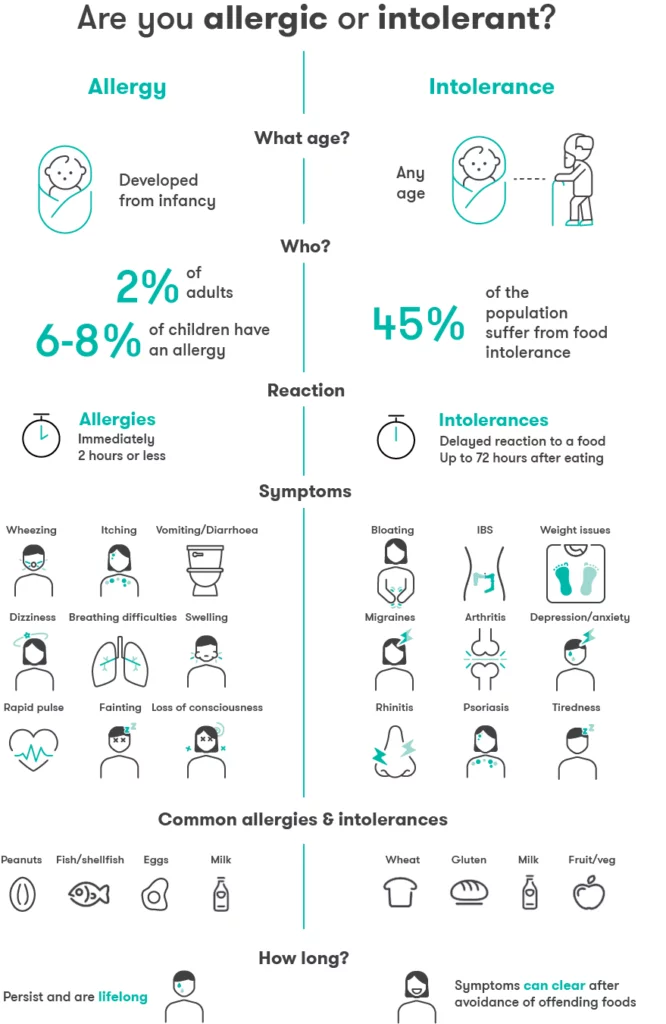
Food intolerances are often confused with food allergies, but they have distinct differences. While an allergy is a severe reaction that triggers the immune system’s attack, intolerance is a non-allergic reaction to certain foods. In this article, we will delve into the world of food intolerances, exploring their causes, symptoms, and testing methods.
Defining Food Intolerances
Food intolerances occur when the body cannot break down or digest certain foods properly. This can lead to uncomfortable symptoms such as bloating, gas, abdominal pain, and diarrhea. Unlike allergies, intolerances do not involve an immune system response.
Types of Food Intolerances
There are several types of food intolerances, including:
- Lactose intolerance: the inability to digest lactose, a sugar found in milk and other dairy products.
- Fructose malabsorption: difficulty absorbing fructose, a simple sugar found in many fruits and processed foods.
- Gluten intolerance: sensitivity to gluten, a protein found in wheat, barley, and rye.
- Histamine intolerance: inability to break down histamine, a naturally occurring chemical found in fermented foods.
Testing for Food Intolerances
There are several testing methods available for food intolerances:
- Blood tests: measure the levels of enzymes or antibodies related to specific food intolerances.
- Elimination diets: involve removing suspected trigger foods from your diet for a period and monitoring symptoms.
- Breath tests: detect the presence of certain gases, such as hydrogen and methane, in the breath.
- Stool tests: analyze stool samples to detect changes in gut bacteria.
Symptoms of Food Intolerances
Food intolerances can cause a range of symptoms, including:
- Bloating and gas
- Abdominal pain and cramping
- Diarrhea or constipation
- Fatigue and lethargy
- Headaches and migraines
Managing Food Intolerances
If you suspect you have a food intolerance, there are several steps you can take to manage your symptoms:
- Keep a food diary: track your eating habits and symptoms to identify potential trigger foods.
- Eliminate suspected foods: remove suspected trigger foods from your diet for a period and monitor symptoms.
- Seek professional help: consult with a healthcare professional or registered dietitian for personalized guidance.
Common Myths about Food Intolerances
There are several myths surrounding food intolerances:
- Myth: Food intolerances are not as serious as allergies. While that may be true, they can still cause significant discomfort and impact daily life.
- Myth: Only certain foods can trigger intolerance symptoms. In reality, many different foods can cause intolerance symptoms.
- Myth: Food intolerances only affect adults. That’s not true – intolerance symptoms can occur at any age.
The Impact of Food Intolerances on Mental Health
Research has shown that food intolerances can have a significant impact on mental health. Some common mental health conditions associated with food intolerances include:
- Anxiety and depression
- Irritable bowel syndrome (IBS)
- Post-traumatic stress disorder (PTSD)
The Connection between Food Intolerances and Gut Health
Food intolerances are often linked to gut health issues, such as leaky gut syndrome. This condition occurs when the lining of the small intestine becomes damaged, allowing toxins to pass through the gut wall and into the bloodstream.
Nutritional Strategies for Managing Food Intolerances
In addition to avoiding trigger foods, there are several nutritional strategies that can help manage food intolerances:
- Increase fiber intake: a high-fiber diet can help regulate bowel movements and reduce symptoms of intolerance.
- Drink plenty of water: staying hydrated is essential for managing intolerance symptoms.
- Consider supplements: certain supplements, such as probiotics and omega-3 fatty acids, may help alleviate symptoms.
Conclusion
Food intolerances are a common and often misunderstood condition. By understanding the causes, symptoms, and testing methods for food intolerances, you can take control of your health and well-being. Don’t be afraid to speak up if you suspect you have a food intolerance – there is help available.
Frequently Asked Questions (FAQs)
- What is the difference between a food allergy and an intolerance?
A food allergy involves an immune system response, while intolerance is a non-allergic reaction. - How do I test for food intolerances?
There are several testing methods available, including blood tests, elimination diets, breath tests, and stool tests. - What are the symptoms of food intolerance?
Symptoms can include bloating, gas, abdominal pain, diarrhea, fatigue, headaches, and migraines. - Can I still eat foods if I have a food intolerance?
While it’s possible to modify your diet to manage symptoms, it’s not always necessary to completely avoid certain foods. - Are all food intolerances the same?
No, different types of intolerance can cause distinct symptoms and impact daily life in different ways.
If you have any concerns about food intolerances, don’t hesitate to reach out to a qualified healthcare professional for personalized guidance and support.


