
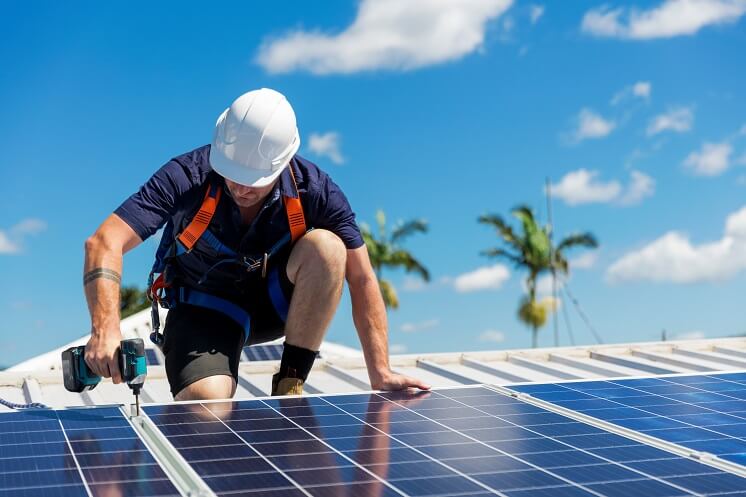
The solar industry is rapidly growing, and the demand for skilled professionals like solar panel installers is increasing. If you’re considering a career in this field, you’re taking a step towards a sustainable future. As an installer, you’ll be responsible for setting up functional and integrated solar systems, working with customers to understand their needs, and performing maintenance and repairs. In this article, we’ll explore the steps to become a solar panel installer, highlighting the skills, training, and certifications required for success.
Why Become a Solar Panel Installer?
The solar industry offers numerous benefits, including:
- Competitive salaries: According to recent estimates, a certified solar panel installer can earn up to $15,000 per year.
- Job security: The demand for solar energy is increasing globally, ensuring a steady stream of job opportunities.
- Environmental impact: As a solar panel installer, you’ll be contributing to a cleaner and more sustainable environment.
Training and Certifications
While no formal qualifications are mandatory, having a training program or certification can significantly boost your career prospects. Many organizations offer courses and workshops on solar panel installation, including:
- The International Association of Electrical Inspectors (IAEI): Provides training and certifications in the field of electrical inspection.
- The National Renewable Energy Laboratory (NREL): Offers courses and workshops on solar energy technology and installation.
- The Solar Foundation: A non-profit organization providing resources, training, and certification for solar industry professionals.
Key Skills and Qualifications
To become a successful solar panel installer, you’ll need to possess:
- Technical skills: Understanding electrical systems, circuit analysis, and safety protocols are essential.
- Physical stamina: Solar panel installation requires manual labor, so having good physical fitness is crucial.
- Communication skills: Building strong relationships with customers and colleagues is vital for success.
The Benefits of Specialization
Specializing in a particular area of solar panel installation can lead to increased job opportunities and higher earning potential. Consider focusing on:
- Solar panel design and installation
- System monitoring and maintenance
- Electrical engineering
Safety Protocols and Best Practices
As a solar panel installer, it’s essential to follow safety protocols and best practices to ensure the well-being of yourself and others. Some key guidelines include:
- Personal protective equipment (PPE): Always wear PPE, including gloves, safety glasses, and hard hats.
- Permitting and inspections: Obtain necessary permits and undergo regular inspections to ensure compliance with local regulations.
- System testing and commissioning: Test and commission systems thoroughly to ensure they’re functioning correctly.
Frequently Asked Questions (FAQs)
Q: How long does it take to become a solar panel installer?
A: The training period can vary from a few weeks to several months, depending on the program.
Q: What is the average salary for a solar panel installer in the United States?
A: According to recent estimates, the average salary for a certified solar panel installer is around $13,000 per year.
Q: Do I need to be an electrician to become a solar panel installer?
A: While some training programs may focus on electrical engineering, not all installers require a background in electricity.
Q: How do I get started with my career as a solar panel installer?
A: Research local training programs and courses, network with professionals in the field, and gain practical experience through internships or volunteer work.
Q: Can I become a solar panel installer without formal qualifications?
A: While it’s possible to enter the profession without formal training, having a certification or degree can significantly enhance your career prospects.
Q: What is the outlook for job growth in the solar industry?
A: The demand for solar energy is expected to increase globally, leading to job opportunities and growth in the sector.
Q: How do I stay up-to-date with the latest developments and technologies in the field?
A: Attend conferences, workshops, and training programs; join professional organizations; and engage with industry leaders and experts.


