
As the climate continues to change, it has become increasingly clear that trees play a vital role in maintaining healthy ecosystems. From absorbing carbon dioxide to generating microclimates, trees offer numerous benefits that make them an essential component of our environment. In this article, we will explore the importance of planting trees, how to choose the right tree for your needs, and provide step-by-step instructions on how to plant a tree.
Why Plant Trees?
Trees are more than just a beautiful addition to our landscape; they also play a crucial role in maintaining ecosystem health. Some of the benefits of trees include:
- Absorbing carbon dioxide: Trees absorb CO2 from the atmosphere, which helps to reduce greenhouse gas emissions and mitigate climate change.
- Regulating water flow: Trees help to regulate water flow by absorbing excess rainwater and preventing erosion.
- Generating microclimates: Trees create microclimates that can influence local temperatures, humidity, and air quality.
- Acting as natural barriers against wind and noise pollution: Trees provide a natural barrier against wind and noise pollution, making them ideal for urban areas.
- Providing habitats for wildlife: Trees provide habitat for countless species of animals, from birds to insects.
- Aesthetically pleasing: Let’s not forget the beauty of trees! They add character and charm to any landscape.
Given the numerous benefits of trees, it is essential to plant them in your community. In fact, many Italian cities, including Milan, are adopting policies to create urban forests. However, what can individuals do to contribute?
Choosing the Right Tree
When selecting a tree to plant, there are several factors to consider:
- Climate: The climate of the area where you plan to plant the tree is crucial in determining which species will thrive.
- Soil type: Different trees have different soil requirements. Understanding your soil type will help you choose the right tree for your needs.
- Biodiversity protection: Some trees are invasive and can harm native ecosystems. Choosing non-invasive species is essential.
To ensure that you select a healthy and suitable tree, consult with local authorities or experts in forestry.
Verifying Tree Species
Some tree species may be harmful to the environment if introduced to an area where they do not naturally occur. This is known as “alien invasion” and can lead to severe consequences for native ecosystems. To avoid this, it’s essential to verify that the tree species you choose is non-invasive.
Tips for Choosing Non-Invasive Trees
- Research the tree species before planting
- Consult with local authorities or experts in forestry
- Avoid trees that are known to be invasive
How to Plant a Tree
Planting a tree can seem daunting, but it’s actually a relatively straightforward process. Here’s a step-by-step guide on how to plant a tree:
Step 1: Prepare the Area
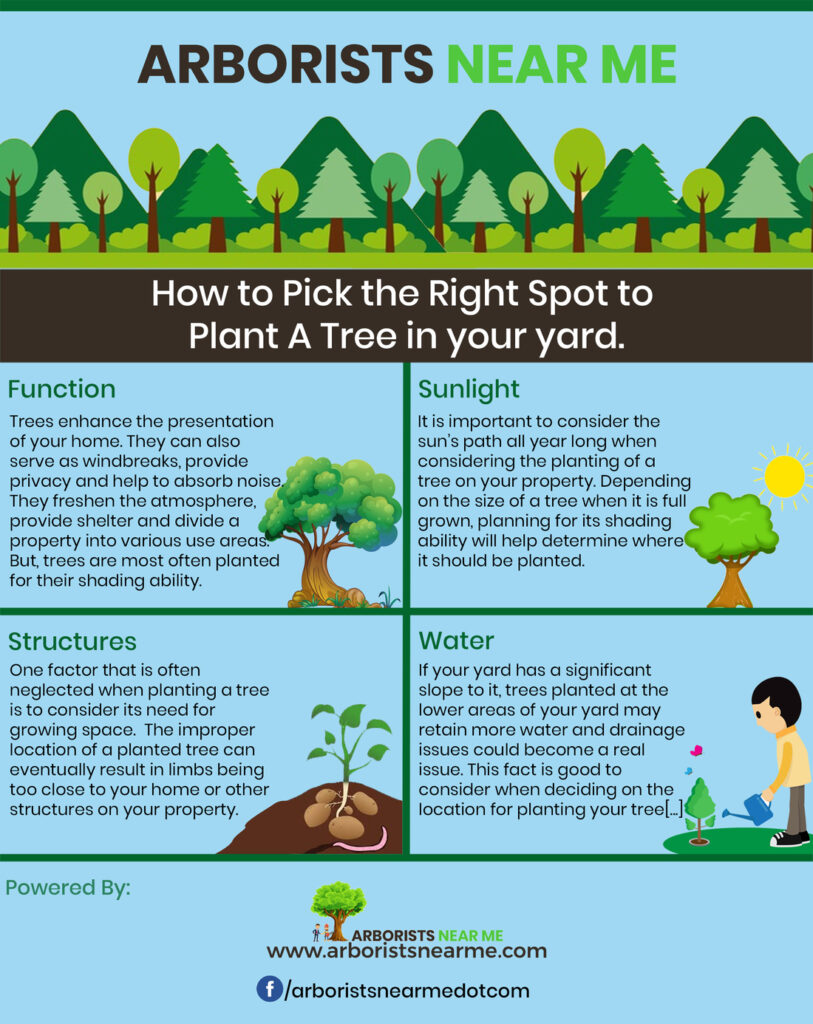
Before planting your tree, it’s essential to prepare the area. This includes selecting a suitable location with enough space for the tree to grow and avoiding any obstacles such as power lines.
- Look for locations that receive adequate sunlight (at least 6 hours of direct sunlight per day) and have well-draining soil.
- Avoid areas with standing water or where water tends to collect.
- Consider the mature size of the tree and leave enough space for its growth.
Step 2: Choose the Right Tree
Selecting the right tree species is crucial in ensuring that your tree thrives and does not harm the environment.
- Research local tree species that are well-suited to your climate, soil type, and available sunlight.
- Consult with local authorities or experts in forestry to determine which trees are non-invasive and suitable for your area.
- Consider factors such as growth rate, maturity size, and maintenance requirements when selecting a tree species.
Step 3: Plant the Tree
To plant a tree, follow these steps:
- Dig a hole that’s two to three times wider than the root ball of the tree
- Prepare the soil by adding organic matter such as compost or manure
- Gently remove the tree from its container and place it in the hole
- Fill the hole with soil, tamping it down gently to prevent air pockets
- Water the tree thoroughly
Step 4: Mulch Around the Tree
Mulching around your tree can help retain moisture, suppress weeds, and regulate soil temperature.
- Apply a layer of mulch (at least 2-3 inches deep) around the base of the tree.
- Use organic materials such as wood chips or bark to create a barrier against weeds and diseases.
- Keep the mulch layer at least 6 inches away from the trunk of the tree.
Step 5: Prune Your Tree
Regular pruning is essential for maintaining the health and appearance of your tree. Remove any dead or diseased branches to prevent damage to the tree.
- Prune trees in late winter or early spring, before new growth begins.
- Use clean and sharp tools to prune branches, making cuts just above a growth node (where a branch meets the trunk).
- Consider hiring a professional arborist if you’re unsure about pruning your tree.
Purchasing a Tree from a Nursery
When purchasing a tree from a nursery, it’s essential to choose a reputable supplier that sells healthy trees. Here are some tips for buying a tree from a nursery:
- Choose a nursery that specializes in native or non-invasive species.
- Research the nursery before making a purchase to ensure they have healthy and well-suited trees.
- Ask about the tree’s health, age, and any necessary care instructions.
Cost of Planting a Tree
The cost of planting a tree can vary depending on the size and type of tree. Here are some general costs associated with planting a tree:
- Small trees (less than 10 feet tall): $50-$100
- Medium trees (10-20 feet tall): $100-$200
- Large trees (over 20 feet tall): $200-$500
Best Time to Plant a Tree
The best time to plant a tree depends on your location and the climate. In general, spring and fall are the best times to plant trees.
Here’s a rough guide for planting different types of trees:
- Spring: Trees such as oak, maple, and pine can be planted in the spring.
- Fall: Trees such as maple, birch, and willow can be planted in the fall.
- Winter: Some trees such as evergreens and conifers can be planted in the winter.
Planting from Seed
If you want to plant a tree from seed, it’s essential to follow these steps:
- Gather seeds from mature trees
- Clean and dry the seeds
- Plant the seeds in a suitable location
- Provide adequate care such as water and sunlight
Keep in mind that planting from seed can be a slower process than purchasing a tree from a nursery, and may require more time and effort.
Frequently Asked Questions
Here are some frequently asked questions about planting trees:
Q: What is the best tree to plant for shade?
A: The best tree to plant for shade depends on your climate, soil type, and personal preferences. Consider factors such as growth rate, maturity size, and maintenance requirements when selecting a tree species.
Q: How often should I water my tree?
A: Watering frequency will depend on your local weather conditions and tree species. A general rule of thumb is to water your tree once or twice a week during hot summer months.
Q: Can I plant multiple trees at the same time?
A: While it’s possible to plant multiple trees, it’s not recommended. This can lead to overcrowding and reduced air circulation around each tree.
Q: How long does it take for a tree to grow?
A: The growth rate of a tree depends on its species, climate, soil type, and available sunlight. Generally speaking, most trees take 5-10 years to reach their full height.
Q: What is the best way to care for my newly planted tree?
A: Proper care includes watering, pruning, mulching, and fertilizing your tree regularly. Consider consulting with a local arborist or forestry expert for personalized advice on caring for your tree.


