
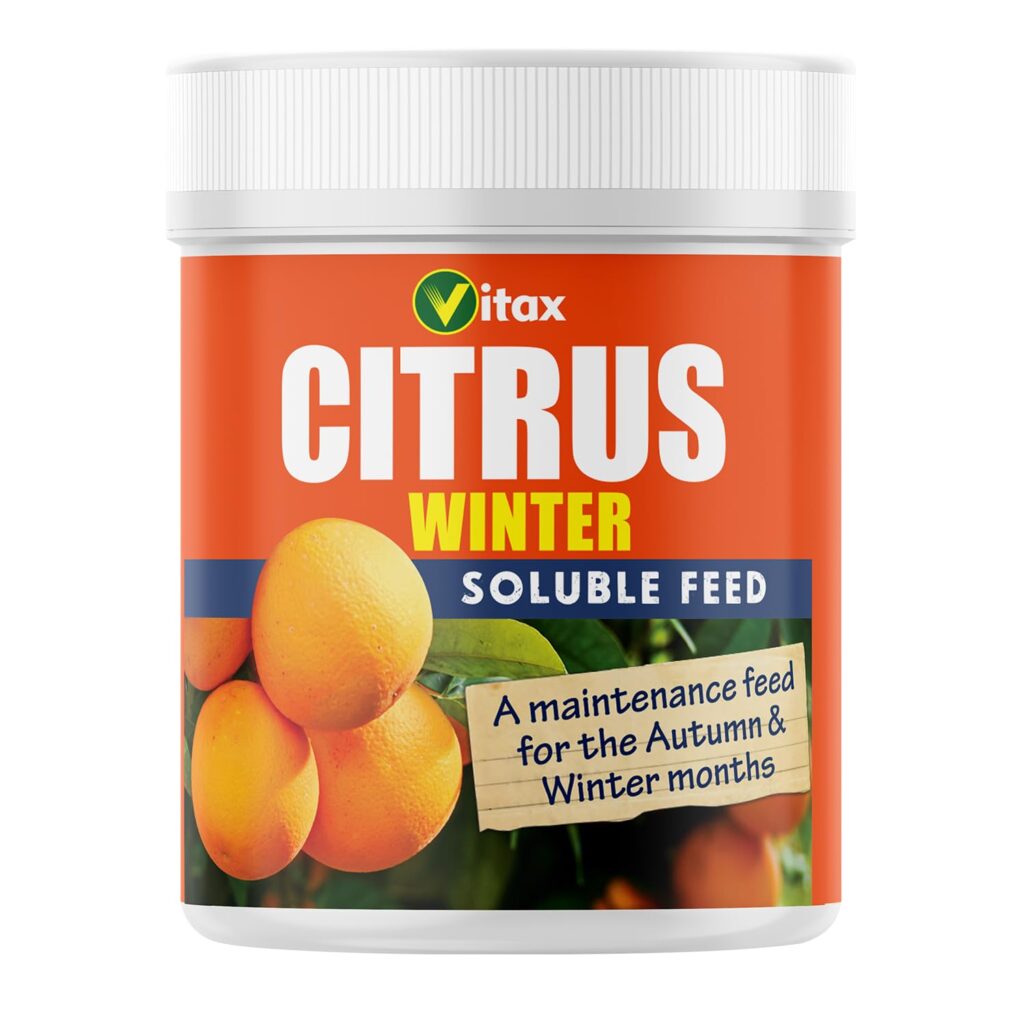
Winter Citrus Fertilization: Boosting Soil Quality for Increased Production
As a citrus enthusiast, you’re likely aware of the importance of proper fertilization in maintaining the health and vigor of your trees. Just like other plants, citrus trees have their own set of “villains” – pests and diseases that can be attracted to the sap’s sugary goodness. To keep your trees strong and healthy, it’s essential to get regular fertilization right.
The Importance of Winter Citrus Fertilization
Fertilizing your citrus trees during the winter months is crucial for several reasons. Firstly, it helps improve soil quality by replenishing essential nutrients and minerals that might have been depleted over the growing season. Secondly, a well-balanced fertilizer can stimulate root growth, allowing your tree to absorb more nutrients from the soil. This, in turn, translates to healthier trees with a higher yield.
Understanding Soil Analysis
Before we dive into fertilizers, it’s essential to understand the importance of soil analysis. During the winter months, your citrus trees require a balanced fertilizer that addresses any nutrient deficiencies or excesses in the soil. A simple pH test using carton-style pH test strips can help identify if your soil is too acidic (pH < 7) or alkaline (pH > 7). However, for more accurate results, consider investing in a soil testing kit or sending samples to a laboratory for analysis.
Soil analysis will reveal information about the soil’s texture, structure, and nutrient content. This data will help you determine which fertilizers are best suited for your specific needs. For example, if your soil is too compacted or lacking essential nutrients, you’ll need to adjust your fertilization strategy accordingly.
Choosing the Right Fertilizer
When it comes to choosing a fertilizer for your winter citrus trees, there are several options available. Organic fertilizers, such as compost or manure, are excellent choices as they release nutrients slowly and promote soil health. Additionally, natural ingredients like lupin meal can provide essential nutrients while maintaining a low environmental impact.
Lupin Meal: A Natural Fertilizer for Citrus Trees
Lupin meal is an organic fertilizer made from ground lupins, which are rich in nitrogen, phosphorus, and potassium. This slow-release fertilizer promotes healthy root growth, improves soil structure, and supports overall tree health.
To apply lupin meal effectively, follow these guidelines:
- Use 80-120 grams per square meter of soil
- Distribute evenly across the soil surface
Additional Tips for Winter Citrus Fertilization
In addition to using a balanced fertilizer, consider the following tips to ensure your citrus trees receive the best possible care during the winter months.
- Mulch around the base of the tree to retain moisture and regulate soil temperature
- Prune any dead or damaged branches to promote healthy growth and prevent disease spread
Frequently Asked Questions
Here are some common questions about winter citrus fertilization:
-
What is the best time to apply a fertilizer for my citrus trees?
The optimal time to apply a fertilizer for your citrus trees is during the late fall or early winter months, when the tree is dormant. -
How often should I fertilize my citrus trees?
Fertilize your citrus trees every 6-8 weeks during the growing season and once a year during the dormant period. -
What are some common mistakes to avoid when fertilizing citrus trees?
Common mistakes include over-fertilization, under-fertilization, and using high-nitrogen fertilizers that can cause more harm than good. -
Can I use synthetic fertilizers on my citrus trees?
While synthetic fertilizers may provide quick results, they often lack the beneficial microbes and nutrients found in organic alternatives.
By following these guidelines and choosing the right fertilizer for your specific needs, you’ll be well on your way to creating a healthy and thriving environment for your winter citrus trees.
Understanding pH Levels
pH levels are an essential aspect of soil analysis, as they can significantly impact nutrient availability. The ideal pH range for citrus trees is between 6.0 and 7.0. If the pH level is too high or too low, it can lead to nutrient deficiencies and reduced tree growth.
The benefits of maintaining optimal pH levels include:
- Improved nutrient uptake: When the soil pH is within the optimal range, nutrients are more readily available for the tree.
- Reduced stress: Maintaining optimal pH levels can help reduce stress on the tree, leading to healthier growth and increased yields.
- Increased efficiency: By optimizing pH levels, you’ll be able to make the most of your fertilizers and other nutrient inputs.
Fertilizer Types
There are several types of fertilizers available for citrus trees, each with its unique benefits and drawbacks. Here’s a brief overview:
- Organic Fertilizers
- Compost
- Manure
- Lupin meal
- Bone meal
- Synthetic Fertilizers
- NPK fertilizers (nitrogen, phosphorus, and potassium)
- Urea
- Ammonium nitrate
Selecting the Right Fertilizer for Your Citrus Trees
Choosing the right fertilizer for your citrus trees can be overwhelming. Here are some factors to consider:
- Soil pH: Ensure that the fertilizer you choose is compatible with your soil’s pH level.
- Nutrient requirements: Consider the nutrient needs of your specific tree variety and fertilize accordingly.
- Fertilizer type: Balance between organic and synthetic fertilizers, or opt for a combination of both.
By following these guidelines and selecting the right fertilizer for your specific needs, you’ll be well on your way to creating a healthy and thriving environment for your winter citrus trees.
Tips for Fertilizing Young Citrus Trees
Young citrus trees require different care than mature ones. Here are some tips specifically for fertilizing young citrus trees:
- Soil preparation: Before fertilizing, make sure the soil is well-draining and has the right pH level.
- Start slow: Begin with a small amount of fertilizer to prevent over-fertilization.
Fertilizer Timing
Timing is everything when it comes to fertilizing citrus trees. Here are some guidelines to keep in mind:
- Dormant season: Apply fertilizers during the dormant season (winter) to promote root growth and healthy tree development.
- Growing season: Fertilize every 6-8 weeks during the growing season to maintain nutrient levels.
Fertilizer Frequency
The frequency of fertilizer application depends on several factors, including soil type, tree age, and climate. Here are some general guidelines:
- Young trees: Fertilize every 3-4 months until they reach maturity.
- Mature trees: Fertilize every 6-8 weeks during the growing season.
Avoiding Over-Fertilization
Over-fertilization can have devastating effects on citrus trees, including:
- Nutrient deficiencies
- Reduced tree growth
- Increased susceptibility to disease and pests
To avoid over-fertilization, follow these guidelines:
- Start with small amounts: Begin with a small amount of fertilizer and gradually increase as needed.
- Monitor nutrient levels: Regularly test soil nutrient levels to ensure you’re not over-fertilizing.
Common Fertilizer Mistakes
Avoid making the following common mistakes when fertilizing citrus trees:
- Over-fertilization
- Under-fertilization
- Using high-nitrogen fertilizers


