
Introduction
Macadamia nuts have been a popular choice among health enthusiasts for their rich nutritional profile and potential health benefits. However, with so many claims circulating online, it can be difficult to separate fact from fiction. In this article, we’ll delve into the world of macadamia nuts, exploring their history, nutritional content, and potential health benefits.
What Are Macadamia Nuts?
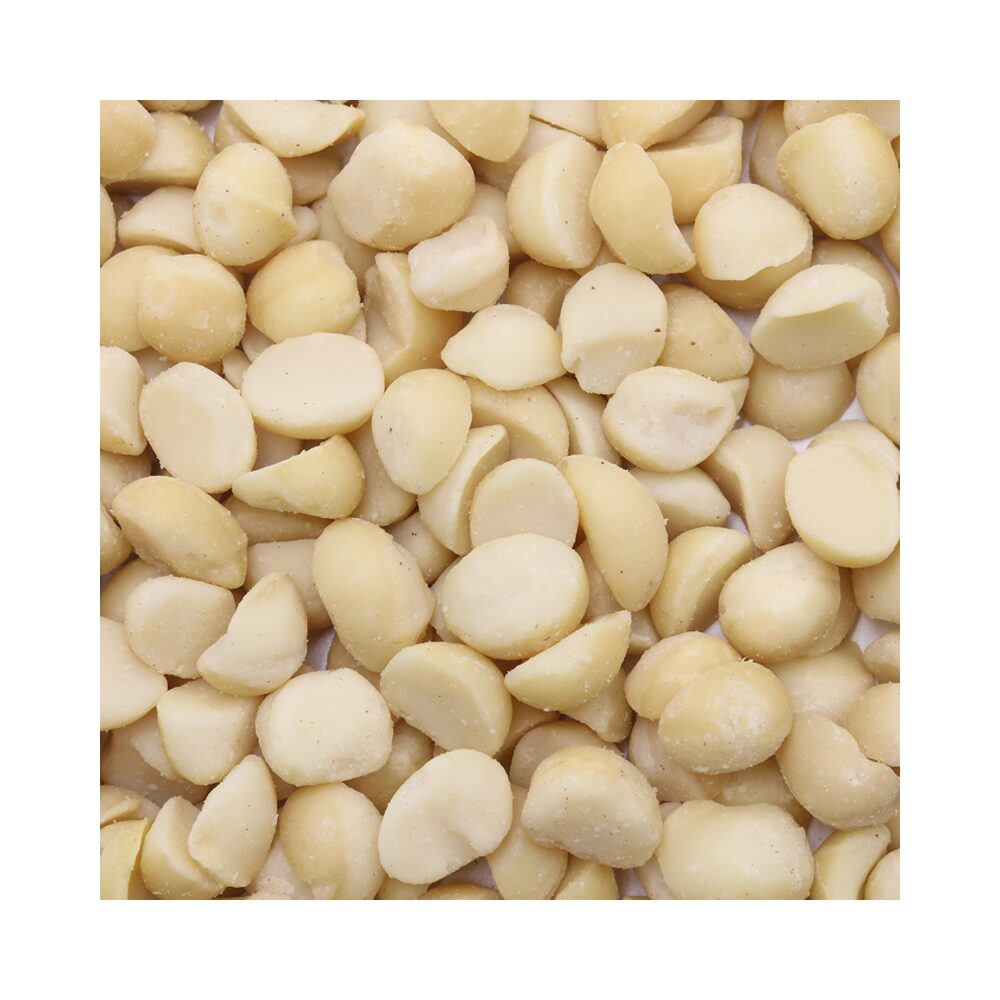
Macadamia nuts are the edible seeds of the Macadamia genus, a group of four different species primarily used for producing macadamia oil and nuts. The most commonly cultivated species are Macadamia integrifolia and Macadamia tetraphylla, both native to Australia.
Nutritional Content of Macadamia Nuts
One hundred grams of macadamia nuts contain an impressive array of nutrients, including:
- Calories: 740 kcal
- Carbohydrates: 13.8g (mostly sugars and fiber)
- Fat: 75.8g (12.6g saturated, 59g monounsaturated, 1.5g polyunsaturated)
- Protein: 7.9g
In addition to these macronutrients, macadamia nuts are rich in various vitamins and minerals, including:
- Vitamin B1 (thiamine): 1.195mg
- Vitamin B2 (riboflavin): 0.162mg
- Vitamin B3 (niacin): 2.473mg
- Vitamin B5 (pantothenic acid): 0.76mg
- Vitamin B6: 0.275mg
- Vitamin C: 1.2mg
- Vitamin E: 0.54mg
- Calcium: 85mg
- Iron: 3.69mg
- Magnesium: 130mg
- Manganese: 4.1mg
- Phosphorus: 188mg
- Potassium: 369mg
- Zinc: 1.30mg
Health Benefits of Macadamia Nuts
So, what can macadamia nuts do for you? Here are some potential health benefits:
- Rich in Antioxidants: Macadamia nuts contain a range of antioxidants, including polyphenols and flavonoids, which may help protect against oxidative stress and inflammation.
- Heart Health: The monounsaturated fats in macadamia nuts may help lower LDL cholesterol and reduce the risk of heart disease.
- Weight Management: Macadamia nuts are high in healthy fats and protein, making them a nutritious snack for those trying to manage their weight.
- Cognitive Function: The vitamin B6 content in macadamia nuts may help support brain health and cognitive function.
The Science Behind Macadamia Nuts
Recent studies have shed light on the potential health benefits of macadamia nuts. For example:
- A 2018 study published in the Journal of Food Science found that consuming macadamia nuts improved lipid profiles and reduced inflammation in healthy adults.
- A 2020 review of antioxidant-rich foods, including macadamia nuts, was published in the Journal of Nutrition and Metabolism.
How Many Macadamia Nuts Can You Eat Daily?
While there’s no one-size-fits-all answer, here are some general guidelines:
- Healthy Adults: 6-7 nuts per day is a reasonable estimate for healthy adults.
- Athletes: If you’re an athlete or engage in regular exercise, you may need to limit your macadamia nut intake due to their high calorie content.
Where to Buy Macadamia Nuts
Macadamia nuts can be found in many health food stores and online retailers. However, be aware that prices can vary greatly depending on the quality and source of the nuts.
- Online Retailers: Amazon offers a range of macadamia nut products, including Happy Belly Nuts.
- Health Food Stores: Visit your local health food store or specialty grocery store for a variety of macadamia nut options.
Tips for Enjoying Macadamia Nuts
Here are some tips for incorporating macadamia nuts into your diet:
- Toasting: Toasting macadamia nuts enhances their flavor and texture.
- Salads: Add toasted macadamia nuts to salads or vinaigrettes for a crunchy snack.
- Baking: Use chopped macadamia nuts in baked goods, such as cakes, cookies, or muffins.
Important Note: Canine Safety
Macadamia nuts are toxic to dogs and can cause symptoms like weakness, tremors, and even paralysis. Keep this in mind when sharing your snacks with furry friends.
Conclusion
In conclusion, macadamia nuts are a nutritious snack option rich in healthy fats, protein, and various vitamins and minerals. While moderation is key, incorporating these delicious nuts into your diet can have potential health benefits for humans and pets alike. Remember to choose high-quality sources, enjoy them in moderation, and always prioritize canine safety.
FAQs
- What are the best ways to store macadamia nuts?
Store macadamia nuts in an airtight container in a cool, dry place. - Can I substitute almonds for macadamia nuts?
While both nuts have similar nutritional profiles, they taste and texture differently. - Are macadamia nuts gluten-free?
Yes, macadamia nuts are naturally gluten-free. - How do I toast macadamia nuts?
Preheat your oven to 350°F (180°C) and spread the nuts on a baking sheet. Bake for 5-7 minutes or until fragrant and lightly toasted. - Can I grow my own macadamia tree?
Macadamia trees require specific climate conditions, making them challenging to cultivate at home. - Are macadamia nuts high in calories?
Yes, macadamia nuts are relatively high in calories due to their fat content. - What are the potential side effects of eating too many macadamia nuts?
Excessive consumption may lead to weight gain or gastrointestinal issues due to their high calorie and fat content. - Can I use macadamia nut oil for cooking?
Yes, macadamia nut oil is a popular choice for baking and cooking due to its mild flavor and health benefits.
Sources
- National Nutrient Database for Standard Reference
- United States Department of Agriculture (USDA)
- Journal of Food Science
- Journal of Nutrition and Metabolism


