
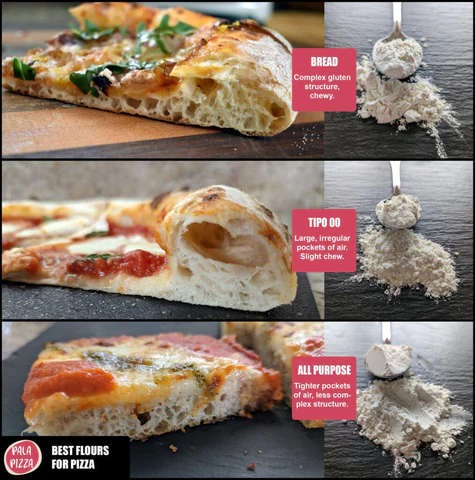
When it comes to making a great pizza, the type of flour you use can make all the difference. With so many options available, it can be overwhelming to choose the right one. In this article, we’ll explore the different types of flours, their characteristics, and what to look for when selecting the best flour for your pizza.
What Makes a Good Pizza Flour?
A good pizza flour should have several key characteristics:
- High protein content: This will help create a strong gluten structure that will give you a crispy crust.
- Good balance of strength and extensibility: You want a flour that can hold its shape but also be easy to stretch.
- Adequate absorbency: A flour that absorbs water well will help create a moist and evenly baked crust.
- Fine texture: This will ensure that your dough is smooth and even.
Types of Flours for Pizza
There are several types of flours you can use for pizza, each with its own unique characteristics:
1. Caputo Farina Nuvola
This Italian flour is a popular choice among pizzaiolos (pizza makers) due to its high protein content and excellent balance of strength and extensibility.
- Protein content: 13%
- Strength (W): 250
- Absorbency: Excellent
2. Molino Spadoni Gran Mugnaio
This flour is made from a special blend of wheat varieties that gives it a unique flavor and texture.
- Protein content: 12%
- Strength (W): 220
- Absorbency: Good
3. All-Purpose Flour
A versatile option for pizza, all-purpose flour can be used to make both Neapolitan-style and Chicago-style pizzas.
- Protein content: 10-12%
- Strength (W): 200-250
- Absorbency: Fair
4. Whole Wheat Flour
Adding whole wheat flour to your dough can create a nutty flavor and extra fiber, but it may also make the crust denser.
- Protein content: 14-16%
- Strength (W): 200-300
- Absorbency: Good
5. Self-Rising Flour
While not as popular for pizza, self-rising flour can be used to make a crust with minimal added ingredients.
- Protein content: 9%
- Strength (W): 200
- Absorbency: Fair
Farina per Pizza Professionale vs. Farina di Qualità Generale
While professional-grade flours like Caputo and Molino Spadoni are popular among pizzaiolos, they may not be the best choice for home bakers.
- Cost: Higher than average
- Flavor: Unique but potentially overpowering
On the other hand, high-quality general-purpose flours can still produce great results with a bit more effort and experimentation.
Farine per Pizza senza Glutine
If you’re looking to make a gluten-free pizza, there are several options available. However, keep in mind that gluten-free doughs can be more delicate and prone to crumbling.
- Look for blends that include xanthan gum or guar gum to help improve texture.
- Be prepared to experiment with different ratios of flours to find the right balance.
How to Select the Best Flour for Your Pizza
When selecting a flour, consider the following factors:
- Protein content: A higher protein content will create a stronger gluten structure and a crisper crust.
- Strength (W): This measures the flour’s ability to hold its shape. A higher strength rating means the flour can be stretched further without breaking.
- Absorbency: A flour that absorbs water well will help create a moist and evenly baked crust.
- Flavor: Consider whether you prefer a light, neutral flavor or a nuttier, more robust taste.
Tips for Working with Different Flours
1. Adjusting the Water Content
Different flours have varying levels of absorbency, so be sure to adjust your water content accordingly:
- For high-protein flours like Caputo, use less water (around 50-60% hydration).
- For lower-protein flours like all-purpose flour, use more water (around 65-75% hydration).
2. Temperature and Proofing Time
Flour types can affect the proofing time and temperature required:
- High-protein flours like Caputo may require a shorter proofing time at warmer temperatures.
- Lower-protein flours like all-purpose flour may need a longer proofing time at cooler temperatures.
3. Mixing Techniques
Different flours respond differently to mixing techniques, such as kneading and folding:
- High-protein flours like Caputo benefit from gentle kneading and folding.
- Lower-protein flours like all-purpose flour may require more aggressive kneading and folding.
Conclusion
Choosing the best flour for your pizza is a matter of personal preference and experimentation. By understanding the characteristics of different types of flours, you can make informed decisions and create delicious pizzas that will impress your friends and family.
Frequently Asked Questions
1. What is the ideal protein content for pizza flour?
The ideal protein content for pizza flour is between 12% and 14%.
2. How do I choose a good quality gluten-free flour blend?
Look for blends that include xanthan gum or guar gum, and experiment with different ratios of flours to find the right balance.
3. Can I use self-rising flour to make pizza crusts?
While not ideal, self-rising flour can be used to make a crust with minimal added ingredients. However, keep in mind that it may affect the texture and flavor of your crust.
4. How do I ensure my pizza dough is evenly baked?
To ensure even baking, make sure your oven is at the right temperature (500-600°F), and use a pizza stone or baking steel to improve crust crispiness.
5. Can I use a combination of different flours for my pizza crust?
Yes! Experimenting with different flour combinations can help you achieve the perfect balance of flavor, texture, and crumb structure.


