
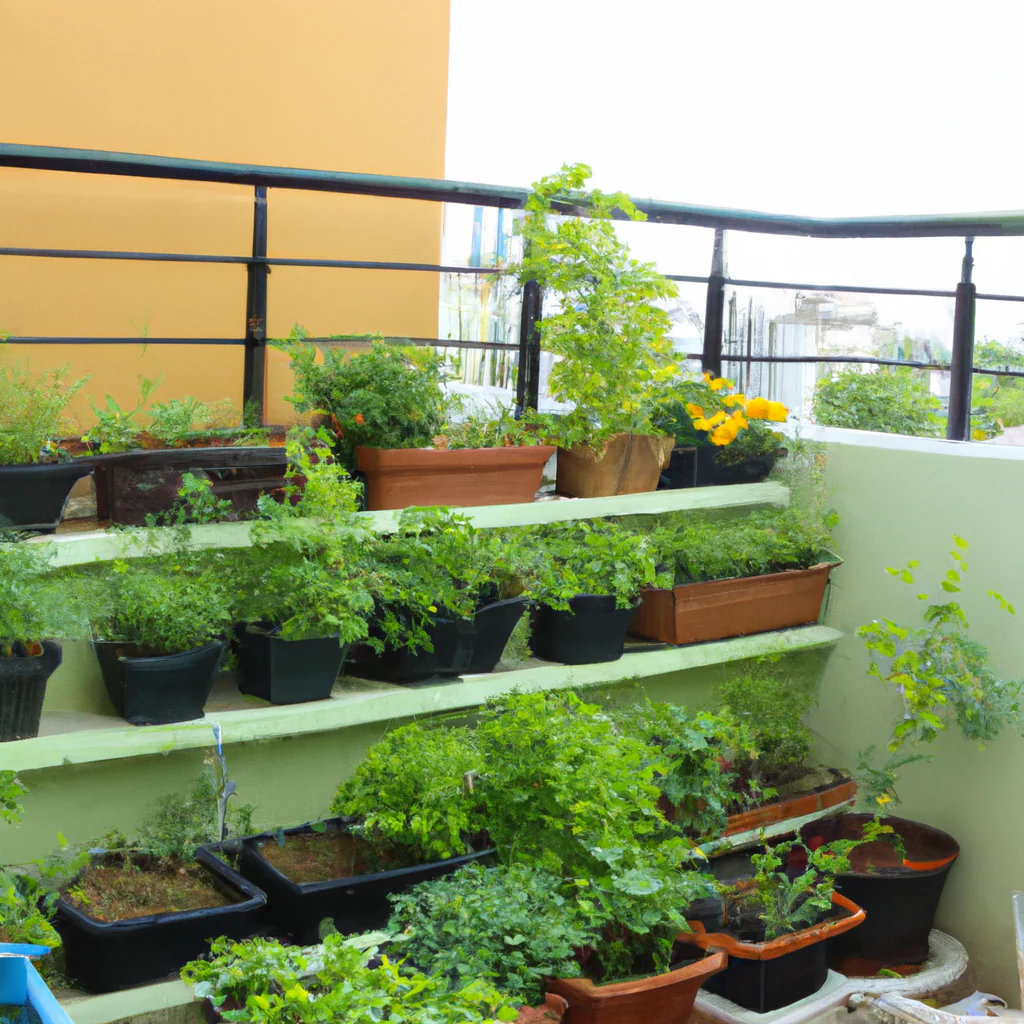
Have you ever fantasized about spending time outdoors, surrounded by nature’s beauty, without having to leave the comfort of your home? Creating a garden on your balcony is an excellent solution for transforming this space into a serene oasis. Not only will it enhance the aesthetic appeal of your balcony, but also provide a tranquil retreat from the hustle and bustle of daily life.
In this article, we’ll delve into the world of balcony gardening, providing you with valuable insights, tips, and tricks to help you create a thriving and beautiful garden on your balcony. Whether you’re a seasoned gardener or a beginner, this guide will equip you with the knowledge necessary to cultivate a stunning and productive balcony garden.
Choosing Plants for Your Balcony Garden
The selection of plants is one of the most crucial aspects of creating a successful balcony garden. When choosing plants, consider factors such as:
- Climate: Select plants that are suitable for your region’s climate, taking into account temperature, humidity, and sunlight exposure.
- Lighting: Consider plants that can thrive in partial shade or full sun, depending on the orientation of your balcony.
- Soil: Choose plants that prefer well-draining soil or can tolerate compacted soil, common issues found on balconies.
Some popular plants for balconies include:
- Herbs: Basil, mint, rosemary, and thyme are excellent choices for balcony gardens, providing fresh flavors and aromas.
- Flowering Plants: Petunias, geraniums, and impatiens are perfect for adding color and vibrancy to your balcony garden.
- Succulents: Aloe vera, echeveria, and sedum are low-maintenance succulents that thrive in hot weather.
Designing Your Balcony Garden
Once you’ve selected the plants for your balcony garden, it’s essential to arrange them in a way that promotes harmony among all the elements. Consider the visual effect from the outside as well.
Here are some tips to keep in mind:
- Balance: Balance your plant selection with a mix of textures, colors, and heights to create visual interest.
- Visual Flow: Arrange plants to guide visitors’ eyes through your balcony garden, creating a sense of movement and flow.
- Functionality: Incorporate functional elements, such as seating areas or planters, to enhance the usability of your balcony.
Tips for Creating a Thriving Balcony Garden
Here are some additional tips to help you create a thriving balcony garden:
- Watering: Water your plants regularly, taking into account the exposure and temperature of your balcony. Avoid overwatering, especially during hot weather.
- Fertilization: Fertilize your plants at planting time and in spring with a slow-release fertilizer. In autumn, use a liquid fertilizer rich in phosphorus and potassium to make your plants more resistant to winter cold.
- Pruning: Prune your plants regularly to maintain shape, promote healthy growth, and encourage blooming.
- Pest Control: Regularly inspect your plants for pests and diseases, taking prompt action to prevent their spread.
Common Challenges and Solutions
- Wind Damage: Use windbreaks or trellises to protect sensitive plants from strong winds.
- Drought Stress: Water your plants regularly, using drought-resistant plants if necessary.
- Pests and Diseases: Regularly inspect your plants for signs of pests or diseases, taking prompt action to prevent their spread.
By following these guidelines and tips, you can create a thriving and beautiful balcony garden that provides a serene oasis for relaxation and entertainment. Remember to be patient, flexible, and responsive to the needs of your plants, and you’ll be on your way to cultivating a stunning and productive balcony garden.
Frequently Asked Questions
- What type of soil is best suited for balconies?
- Use a well-draining potting mix specifically designed for containers and balconies.
- How often should I water my balcony garden?
- Water your plants regularly, taking into account the exposure and temperature of your balcony. Avoid overwatering, especially during hot weather.
- What is the best way to fertilize my balcony garden?
- Fertilize your plants at planting time and in spring with a slow-release fertilizer. In autumn, use a liquid fertilizer rich in phosphorus and potassium to make your plants more resistant to winter cold.
- Can I grow vegetables on my balcony?
- Yes, you can grow a variety of vegetables, such as tomatoes and herbs like basil and rosemary.
- How do I create a harmonious design for my balcony garden?
- Arrange your plants in a way that promotes harmony among all the elements. Consider the visual effect from the outside as well.
By understanding these factors and tips, you’ll be able to create a thriving and beautiful balcony garden that provides a serene oasis for relaxation and entertainment.


