
Introduction
As we imagine a futuristic factory for producing cars, we often picture a long chain of robotic arms welding steel components together. However, this is not the scenario that Jim Kor had in mind when he started using 3D printing to create lightweight, efficient, and affordable automobiles.
The use of additive manufacturing has transformed the automotive industry into a more efficient, sustainable, and innovative sector. This article will explore the rise of additive manufacturing in car production, its benefits, challenges, and potential future applications.
The Visionary Behind Urbee 2
Jim Kor, an engineer with a passion for innovation, has harnessed the potential of 3D printing to revolutionize the automotive industry. His vision for Urbee 2 is not just about building cars; it’s about pushing the boundaries of what’s possible with additive manufacturing.
Kor’s journey into additive manufacturing began when he started experimenting with 3D printing techniques in his garage. He soon realized that this technology had the potential to revolutionize car production, reducing weight, increasing efficiency, and decreasing emissions.
The Game-Changing Technology Behind Urbee 2
Additive manufacturing, also known as 3D printing, has become a crucial component in Kor’s design process. This technology allows users to create complex geometries and structures that would be impossible to produce using traditional manufacturing methods.
With 3D printing, the possibilities are endless. From creating humanoid robots to entire vehicles, the applications of this technology are vast and exciting. Who needs a large factory when you can produce components in your own garage?
The Birth of Urbee 2
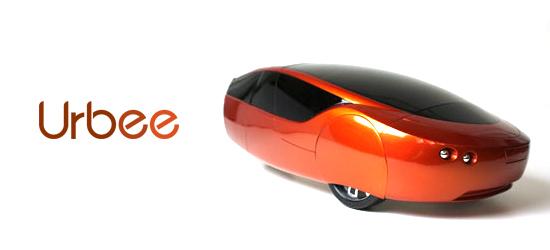
Urbee 2 is the result of Kor’s innovative approach to automotive manufacturing. This car represents a significant departure from traditional designs that focus on developing more powerful engines and heavier materials.
Instead, Kor has emphasized the importance of physics and efficiency. By reducing the weight of the vehicle, he aims to increase its overall performance. The use of lightweight carbon fiber is just one example of how 3D printing can be used to create high-performance components.
The Design Process
Kor’s design process begins with computer-aided design (CAD) software. He creates digital models of the car, including the port side and hood, before sending them to the 3D printer.
The printing process is meticulous, requiring precise control over temperature, speed, and material properties. As the component is printed, Kor can add layers, adjust thickness, and reinforce weak points for enhanced strength and durability.
Materials Used in Urbee 2
Urbee 2 features a mix of plastic and metal components, with only a few parts made from traditional materials like steel and aluminum. The car’s engine is an electric hybrid, which contributes to its lightweight design.
The printing process has resulted in a total of 50 printed components for the entire vehicle. These include complex geometries that would be difficult or impossible to achieve using conventional manufacturing methods.
Advantages of Additive Manufacturing in Car Production
- Reduced Weight: By creating components with complex geometries, additive manufacturing can reduce weight while maintaining strength and durability.
- Increased Efficiency: Additive manufacturing allows for the production of car parts with reduced material waste, lower energy consumption, and decreased transportation emissions.
- Improved Sustainability: The use of recycled materials in 3D printing reduces the environmental impact of car production.
- Customization: Additive manufacturing enables the creation of customized car components tailored to individual customer needs.
Challenges of Additive Manufacturing in Car Production
- Cost: The cost of additive manufacturing equipment and raw materials can be high, making it challenging for manufacturers to adopt this technology.
- Scalability: Currently, additive manufacturing is more suitable for small-scale production than large-scale industrial manufacturing.
- Standardization: The lack of standardization in additive manufacturing makes it difficult for manufacturers to integrate this technology into their existing supply chains.
Conclusion
Urbee 2 represents a new frontier in automotive manufacturing, where traditional designs and materials are being challenged by innovative technologies like additive manufacturing. As we look to the future of transportation, it’s clear that this revolutionary approach will continue to shape the industry.
The use of additive manufacturing has transformed the automotive industry into a more efficient, sustainable, and innovative sector. While there are challenges associated with this technology, its benefits make it an attractive option for manufacturers looking to reduce their environmental impact and improve customer satisfaction.
Frequently Asked Questions (FAQs)
Q: How does 3D printing work?
A: 3D printing is a process that involves layering materials such as plastics or metals to create a three-dimensional object. It uses computer-aided design (CAD) software to generate digital models, which are then printed using specialized machines.
Q: What makes Urbee 2 special?
A: Urbee 2 is the result of Kor’s innovative approach to automotive manufacturing. By reducing weight and emphasizing efficiency, he aims to create a car that is both environmentally friendly and high-performance.
Q: Can I make my own 3D printed components at home?
A: Yes, with the right equipment and expertise, it’s possible to produce complex geometries and structures using 3D printing. However, this requires significant investment in hardware and software, as well as training and experience.
Q: How does Urbee 2 compare to traditional cars?
A: Urbee 2 is a lightweight, efficient, and affordable vehicle that represents a new frontier in automotive manufacturing. Its innovative design and materials set it apart from conventional cars, which are often heavier and less environmentally friendly.
Q: What’s the future of additive manufacturing in the automotive industry?
A: As technology continues to advance, we can expect to see more widespread adoption of 3D printing and other additive manufacturing techniques in car production. This will lead to increased efficiency, reduced waste, and improved sustainability in the industry.
Q: Can I buy Urbee 2 or similar cars?
A: Currently, Urbee 2 is not available for purchase. However, Kor’s innovative approach to automotive manufacturing has sparked interest among manufacturers and consumers alike. We can expect to see more innovative designs and technologies emerge in the coming years.
Q: How does additive manufacturing impact the environment?
A: Additive manufacturing offers several environmental benefits, including reduced material waste, lower energy consumption, and a decrease in transportation emissions. As the industry continues to adopt this technology, we can expect to see a positive impact on the environment.
Q: What’s next for Jim Kor and Urbee 2?
A: Kor continues to innovate and push the boundaries of what’s possible with additive manufacturing. His vision for Urbee 2 has sparked interest among manufacturers and consumers alike, paving the way for future generations of automotive innovation.
In conclusion, the rise of additive manufacturing in car production is a revolutionary development that promises to transform the industry into a more efficient, sustainable, and innovative sector. As technology continues to advance, we can expect to see more widespread adoption of this technology, leading to increased efficiency, reduced waste, and improved sustainability in the industry.


