
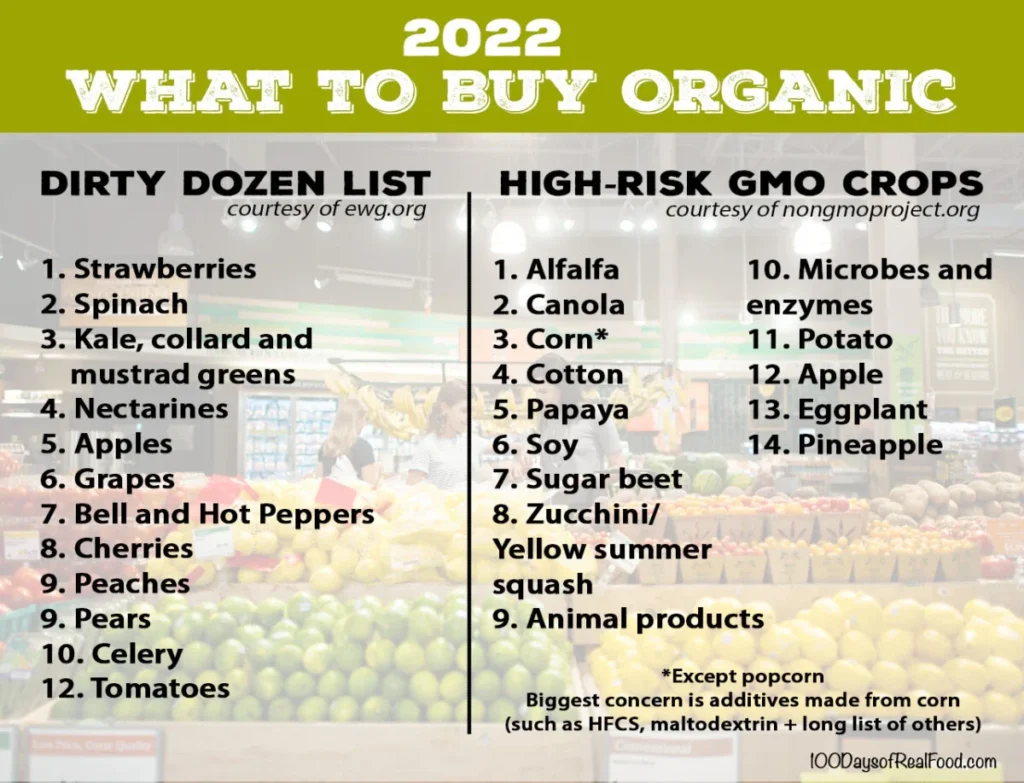
As we navigate the world of consumer products, it’s easy to get caught up in the hype surrounding “organic” and “biological” labels. But what do these terms really mean, and how can you trust that they’re worth your money? In this article, we’ll delve into the world of organic products, exploring their benefits, regulations, and where to find them.
What is Organic Agriculture?
Organic agriculture, also known as biological or ecological farming, is a method of growing crops and raising animals without the use of synthetic fertilizers, pesticides, or genetically modified organisms (GMOs). This approach aims to conserve soil health, promote biodiversity, and minimize environmental impact. By choosing organic products, you’re supporting farmers who prioritize sustainable practices and reducing your exposure to toxic chemicals.
Regulations and Certification
To ensure that a product is truly organic, it must meet strict regulations set by organizations such as the National Organic Program (NOP) in the United States or the European Union’s Organic Regulation. These certifications guarantee that products contain only organic ingredients, have not been treated with synthetic chemicals, and adhere to specific standards for soil health and crop management.
What Makes a Product “Organic”?
So, what makes a product “organic” in reality? Here are some key factors:
- Ingredient sourcing: Organic products must be made from ingredients that are grown without synthetic fertilizers or pesticides.
- Certification: Look for certifications like USDA Organic or EU Organic, which ensure compliance with strict standards.
- Labeling: Be wary of vague labels; true organic products typically feature specific labeling and documentation.
- Manufacturing process: Organic products must be processed using minimal technology and no synthetic chemicals.
Where to Find Organic Products
While organic products may have been a niche market in the past, they’re now widely available in various sectors, including:
- Cosmetics: From shampoos to skincare, many companies offer certified organic products that cater to eco-conscious consumers.
- Food: From produce to packaged goods, there’s a growing selection of organic options in stores and online.
- Fashion: Sustainable fashion brands are incorporating eco-friendly materials and practices into their designs.
Tips for Choosing Organic Products
When selecting organic products, keep the following tips in mind:
- Read labels carefully: Be aware of certifications, ingredients, and manufacturing processes.
- Research brands: Look for companies with a strong commitment to sustainability and transparency.
- Support local farmers: Consider buying directly from local farms or joining community-supported agriculture (CSA) programs.
Frequently Asked Questions
Here are some answers to common questions about organic products:
- Q: Are all organic products made with natural ingredients?
A: While many organic products use natural ingredients, not all do. Some may contain other synthetic materials. - Q: Can I trust the labeling on organic products?
A: Yes, if a product is labeled as organic and certified by a reputable organization, it’s likely to meet strict standards. - Q: Are organic products more expensive than conventional alternatives?
A: Prices vary depending on the product and brand, but many organic options are comparable in price or even cheaper.
Benefits of Organic Products
In addition to promoting sustainability and reducing environmental impact, there are several benefits to choosing organic products:
- Improved health: Organic products may be free from synthetic chemicals and pesticides, which can reduce the risk of cancer and other health problems.
- Increased biodiversity: By supporting sustainable agriculture practices, you’re helping to preserve ecosystems and promote biodiversity.
- Better environmental impact: Organic farming methods can help reduce soil erosion, conserve water, and minimize greenhouse gas emissions.
The Impact of Non-Organic Products
On the other hand, non-organic products can have negative impacts on human health and the environment. Some of these effects include:
- Exposure to toxic chemicals: Non-organic products may contain synthetic fertilizers, pesticides, and GMOs, which can be harmful to human health.
- Soil degradation: Conventional farming practices can lead to soil erosion, nutrient depletion, and increased greenhouse gas emissions.
- Loss of biodiversity: The widespread use of non-organic products can contribute to the decline of ecosystems and the loss of plant and animal species.
Conclusion
In conclusion, understanding the world of organic products is essential for making informed choices that align with your values and promote a healthier environment. By choosing certified organic products, supporting local farmers, and researching brands, you’re taking steps towards a more sustainable future.
Additional Resources
If you’re interested in learning more about organic products and sustainable living, here are some additional resources:
- National Organic Program (NOP): A comprehensive guide to organic farming practices and regulations.
- Organic Trade Association: A trade association that represents the organic industry and promotes sustainable agriculture practices.
- Sustainable Living Guide: A resource that provides tips and recommendations for living a more sustainable lifestyle.
By embracing the principles of organic living, you’re not only improving your health and well-being but also contributing to a healthier planet.


