
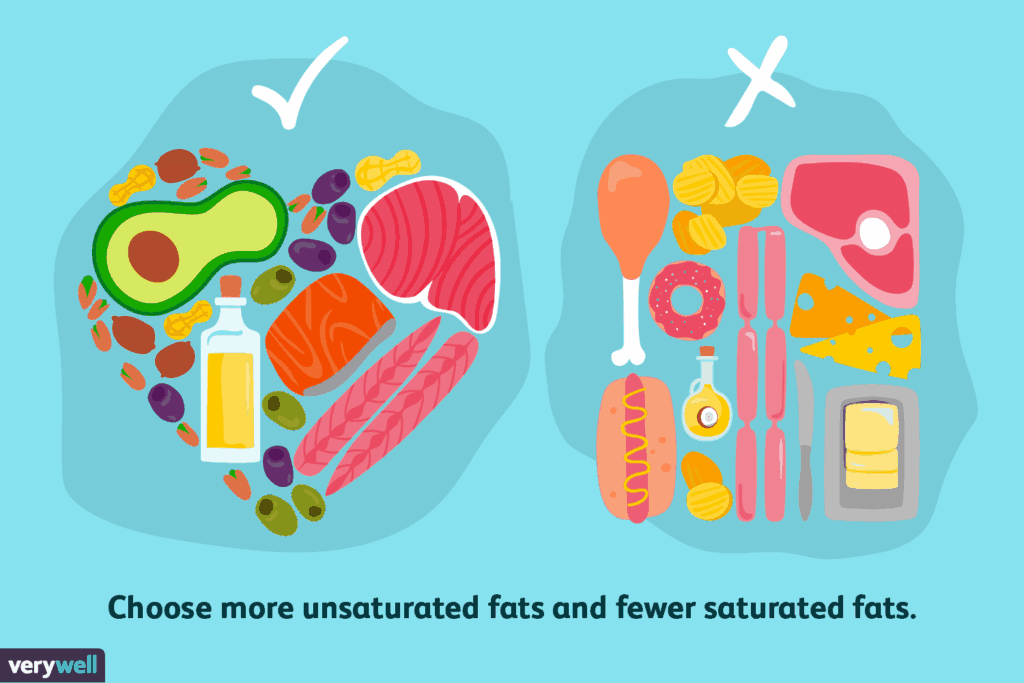
As we navigate the world of nutrition, it’s easy to get caught up in the buzzwords and myths surrounding fats. But what if I told you that not all fats are created equal? That some are actually good for us, while others should be avoided altogether? In this article, we’ll delve into the world of saturated and unsaturated fats, exploring their differences, benefits, and drawbacks.
Understanding Fats 101
Before we dive in, let’s define what fats are. Fats are a type of macronutrient that our bodies need to function properly. They’re found in various forms, including oils, waxes, and lipids. Within this category, there are two main types: saturated and unsaturated fats.
Saturated vs. Unsaturated Fats: What’s the Difference?
Saturated fats are composed of single bonds between carbon atoms, making them stable and compact. They’re typically found in animal products like butter, lard, and meat. On the other hand, unsaturated fats have one or more double bonds, which makes them more fluid and unstable.
The Benefits of Unsaturated Fats
Unsaturated fats are essential for our bodies because we can’t produce them on our own. We need to get them from external sources, like food. The benefits of consuming unsaturated fats include:
- Maintaining healthy hormone levels
- Forming and maintaining cell membranes
- Producing energy for the body
Types of Unsaturated Fats
Within the category of unsaturated fats, there are two main subtypes: monounsaturated and polyunsaturated fats.
- Monounsaturated Fats: These have one double bond. Examples include avocados, nuts, and olive oil.
- Polyunsaturated Fats: These have multiple double bonds. Examples include fatty fish, flaxseeds, and soybeans.
The Importance of Omega-3, -6, and -9
When it comes to unsaturated fats, there are three essential types: omega-3, omega-6, and omega-9. These are:
- Omega-3 (Linoleic Acid): Found in fish, flaxseeds, and chia seeds.
- Omega-6 (Linolenic Acid): Found in vegetable oils like corn and soybean oil.
- Omega-9 (Oleic Acid): Found in olive oil and other plant-based sources.
The Dangers of Excessive Saturated Fat Consumption
While saturated fats are not inherently bad, consuming excessive amounts can lead to negative health effects. These include:
- Increasing LDL cholesterol levels
- Raising triglycerides
- Contributing to heart disease
Where Can You Find Unsaturated Fats in Food?
Unsaturated fats are abundant in various food groups. Some of the richest sources include:
- Fatty fish like salmon and sardines
- Nuts and seeds like almonds, sunflower seeds, and pumpkin seeds
- Avocados
- Olive oil
The Importance of Balance in Your Diet
While it’s essential to consume unsaturated fats, it’s equally important to maintain a balanced diet. Don’t overdo it on the nuts and seeds – they’re high in calories! Aim for a variety of foods in your diet to ensure you’re getting all the necessary nutrients.
Conclusion: The Truth About Unsaturated Fats
Unsaturated fats are not just good for our hearts; they also play a crucial role in maintaining healthy hormone levels, forming cell membranes, and producing energy. By understanding the differences between saturated and unsaturated fats, we can make informed choices about our diet. So go ahead, indulge in that olive oil or enjoy a handful of almonds – your body will thank you!
Frequently Asked Questions
- What’s the difference between saturated and unsaturated fats?
Saturated fats are stable and compact, while unsaturated fats have one or more double bonds, making them more fluid and unstable. - Are all fats created equal?
No, not all fats are created equal. Some, like saturated fats, can be detrimental to our health if consumed in excess. Others, like unsaturated fats, are essential for our bodies. - What’s the benefit of consuming omega-3 fatty acids?
Omega-3 fatty acids help maintain healthy heart function, support brain health, and reduce inflammation. - Can I get enough unsaturated fats from plant-based sources?
Yes! Plant-based sources like nuts, seeds, avocados, and olive oil are rich in unsaturated fats. - How much saturated fat should I consume per day?
The American Heart Association recommends limiting daily saturated fat intake to less than 10% of total calories. - Can I get enough omega-3 fatty acids from fish?
Yes! Fatty fish like salmon, sardines, and mackerel are rich in omega-3 fatty acids. - What’s the difference between monounsaturated and polyunsaturated fats?
Monounsaturated fats have one double bond, while polyunsaturated fats have multiple double bonds. - Can I get enough unsaturated fats from dairy products?
Dairy products like milk, cheese, and yogurt are low in unsaturated fats, but you can still get some benefits from consuming them in moderation.
The Impact of Saturated Fat on Health
Consuming high amounts of saturated fat has been linked to various health problems. Some of the most significant effects include:
- Increased risk of heart disease
- Higher cholesterol levels
- Weight gain and obesity
The Benefits of Reducing Saturated Fat Consumption
By reducing our intake of saturated fats, we can significantly improve our overall health. These benefits include:
- Lowering LDL cholesterol levels
- Raising HDL cholesterol levels
- Improving blood sugar control
- Reducing the risk of certain cancers
Healthy Alternatives to Saturated Fats
If you’re looking to reduce your saturated fat intake, there are plenty of healthy alternatives to explore. Some options include:
- Avocados and guacamole
- Olive oil
- Coconut oil (in moderation)
- Nuts and seeds like almonds and chia seeds
Tips for Reducing Saturated Fat Consumption
If you’re looking to make significant changes to your diet, here are some tips for reducing saturated fat consumption:
- Choose lean proteins like poultry and fish
- Select whole grains over refined grains
- Incorporate more plant-based sources of energy into your diet
- Limit your intake of processed meats
- Read food labels carefully to avoid hidden sources of saturated fat
Conclusion
By understanding the differences between saturated and unsaturated fats, we can make informed choices about our diet. While it’s essential to consume unsaturated fats, it’s equally important to maintain a balanced diet. By reducing our intake of saturated fats and incorporating more plant-based sources into our diets, we can significantly improve our overall health.
Conclusion: The Truth About Unsaturated Fats
Unsaturated fats are not just good for our hearts; they also play a crucial role in maintaining healthy hormone levels, forming cell membranes, and producing energy. By understanding the differences between saturated and unsaturated fats, we can make informed choices about our diet. So go ahead, indulge in that olive oil or enjoy a handful of almonds – your body will thank you!
By following these tips and making conscious choices about our diets, we can take control of our health and well-being. Remember, balance is key!


