
Are you looking to save money on your electricity bills by choosing the right batteries for your solar panel system? You’re not alone. With the potential to save up to 100% on your energy costs, selecting the perfect battery bank can make all the difference.
In this article, we’ll explore what makes a good battery for solar panels, how they work, and provide guidance on choosing the right one for your specific needs.
What is a Battery for Solar Panels?
A battery for solar panels is a system that stores excess energy generated by your solar panel system during peak sunlight hours. This stored energy can then be used to power your home or business during periods of low sunlight, reducing your reliance on the grid and lowering your energy bills.
Think of a battery for solar panels like a financial savings account. Just as you save money in a bank account, a battery stores excess energy that can be drawn upon later.
How Does the Grid Compare to a Battery?
When it comes to storing energy, the grid is not without its flaws. The way it works is similar to an accumulator, where it absorbs excess energy from your solar panel system during peak hours and releases it when needed. However, this process isn’t always equitable. When you sell back excess energy to the grid, you typically receive a lower rate than what you pay for electricity.
For example, let’s say Anna’s solar panel system produces 200 kWh of surplus energy, which is then fed into the grid at an effective rate of 22 euros per kilowatt-hour. However, when she uses 200 kWh of energy at night, she must purchase it from the grid at a rate that’s roughly double what she sold it back for.
This isn’t always fair to homeowners who have solar panels and want to take advantage of their system. That’s where batteries come in – providing a more equitable way to store excess energy and reduce your reliance on the grid.
The Benefits of Batteries
Batteries for solar panels offer several benefits, including:
- Energy independence: By storing excess energy during peak hours, you can use it during periods of low sunlight or at night.
- Reduced energy bills: With a battery, you can take advantage of the energy you’ve stored and reduce your reliance on the grid.
- Increased system efficiency: Batteries help optimize your solar panel system’s performance by storing excess energy that would otherwise be lost.
Choosing the Right Battery
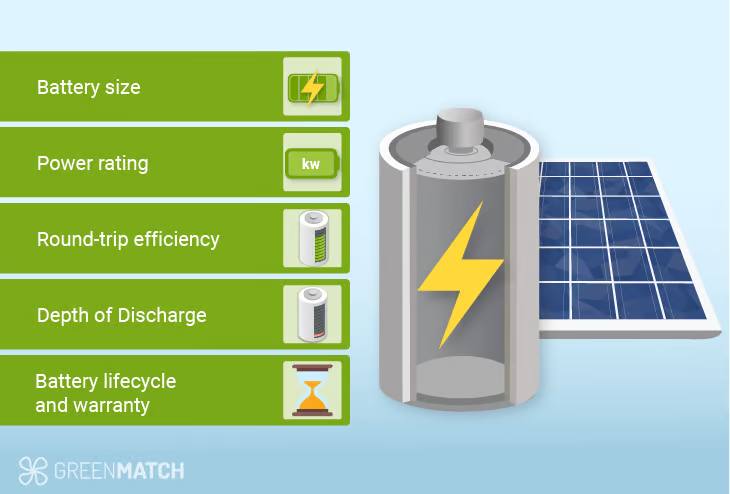
When choosing a battery for your solar panel system, consider the following factors:
- Capacity: Calculate your daily energy needs and choose a battery with a capacity that matches or exceeds those demands.
- Type: There are several types of batteries available, including lead-acid, lithium-ion, and nickel-cadmium. Research each option to determine which best suits your needs.
- Efficiency: Look for batteries with high efficiency ratings to minimize energy loss.
Types of Batteries
There are several types of batteries available for solar panel systems, each with its own strengths and weaknesses.
- Lead-Acid Batteries: These batteries are relatively inexpensive but have lower efficiency rates and shorter lifespans compared to other options.
- Lithium-Ion Batteries: These batteries offer higher efficiency rates and longer lifespans but can be more expensive upfront.
- Nickel-Cadmium Batteries: These batteries are less common but offer high efficiency rates and long lifespans.
Tips for Selecting a Battery
Here are some additional tips to keep in mind when selecting a battery:
- Monitor your energy usage: Keep track of how much energy you’re consuming during peak hours and adjust your battery accordingly.
- Consider the cost: Batteries can be expensive, so factor in their cost and calculate how it will impact your overall savings.
- Research local incentives: Many governments offer incentives for homeowners who install solar panels and batteries.
Inverter Selection
The type of inverter you choose can also impact your solar panel system’s performance. There are several types of inverters available, including:
- String Inverters: These inverters connect directly to individual solar panels and provide a simple and cost-effective solution.
- Microinverters: These inverters connect directly to each individual solar panel and offer more precise monitoring and control.
- Hybrid Inverters: These inverters combine the benefits of string inverters with the precision of microinverters.
Monitoring and Control
A good battery system should be equipped with monitoring and control systems that allow you to track your energy usage and adjust your system accordingly. Some popular options include:
- Smart Home Systems: These systems integrate your solar panel system with other smart devices in your home, allowing you to monitor and control energy usage remotely.
- Solar Monitoring Software: This software allows you to track your energy production and consumption in real-time, providing valuable insights into your system’s performance.
Conclusion
Choosing the right batteries for your solar panel system is a crucial step in maximizing your energy efficiency and reducing your reliance on the grid. By understanding how batteries work, considering your specific needs, and doing some research, you can make an informed decision that will help you save money and reduce your carbon footprint.
In addition to choosing the right battery, consider other ways to optimize your solar panel system, such as:
- Installing a smart inverter
- Using energy-efficient appliances
- Sealing air leaks to prevent heat gain
By taking these steps, you can create a more efficient and sustainable solar-powered home or business.
Frequently Asked Questions
Q: How long do batteries last?
A: The lifespan of a battery depends on various factors, including usage, maintenance, and quality. On average, a well-maintained lithium-ion battery can last for 10 to 20 years.
Q: Can I use any type of battery with my solar panel system?
A: No, not all batteries are suitable for solar panel systems. Research the specific requirements of your system and choose a battery that meets those needs.
Q: How much energy can I store in a single battery?
A: The amount of energy you can store in a single battery depends on its capacity. Calculate your daily energy needs and choose a battery with a capacity that matches or exceeds those demands.
Q: Can I use solar panels to charge my car?
A: Yes, it is possible to use solar panels to charge your car, but it’s not always efficient or practical. The amount of energy generated by your solar panel system depends on the size and type of system you have, as well as the quality of the battery.
Q: Can I return excess energy to the grid?
A: Yes, many utility companies allow homeowners with solar panels to sell back excess energy to the grid. However, the rate at which you’re paid for this energy is often lower than what you pay for electricity.
Q: Are there any government incentives available for homeowners who install solar panels and batteries?
A: Yes, many governments offer incentives for homeowners who invest in renewable energy systems like solar panels and batteries. Research local incentives to see what’s available to you.


