
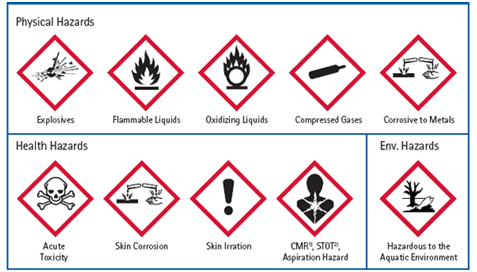
As we strive to manage our waste more sustainably, it’s essential to understand the classification of hazardous waste. In this article, we’ll delve into the world of hazardous waste management and explore the key concepts, regulations, and best practices for safe disposal.
Historical Background
The regulation of hazardous waste dates back to 2008, with amendments until 2011. The classification process involves evaluating the characteristics of the waste and selecting the appropriate handling facility. It’s a critical responsibility for those who generate or manage hazardous waste.
Distinguishing Hazardous Waste from Non-Hazardous Waste
Hazardous waste is distinct from non-hazardous waste, with specific guidelines for its management. The 2010 decree established the Code of Hazardous Waste Classification (CER), which serves as a reference point for classification decisions.
Key Considerations for Hazardous Waste Classification
To classify hazardous waste correctly, follow these steps:
- Identify the activity or industry responsible for generating the waste.
- Consult relevant rubrics (01-12 or 17-20) to determine the most suitable code based on the waste’s composition.
- Choose a codice CER that aligns with the waste’s characteristics.
Hazardous Waste Classification Codes
The following codes are used to classify hazardous waste:
- Explosive (H1): Highly flammable materials that can cause explosions under certain conditions.
- Combustible (H2): Materials that can ignite easily and sustain combustion.
- A. Easily ignitable
- B. Ignitable, but not easily
Subclassifications include:
- Flammable liquids and gases (H3A)
- Flammable solids (H3B)
Additional codes cover materials with specific hazards:
- Irritant (H4): Substances that can cause skin or eye irritation.
- Toxic (H5): Chemicals that can harm human health.
- A. Acutely toxic
- B. Chronic toxicity
- Carcinogenic (H7): Materials that are known to cause cancer.
- Corrosive (H8): Substances that can damage or destroy living tissues.
Other hazardous waste classes include:
- Combustion-releasing substances (H12)
- Mutagenic and carcinogenic substances (H11)
Classification Principles
When classifying hazardous waste, consider the following principles:
- Identify materials with potential environmental hazards
- Assess the risk of harm to human health or the environment
- Choose a codice CER that accurately reflects the material’s characteristics
Supporting Documentation
For more detailed guidance on hazardous waste classification, refer to the accompanying PDF document prepared by Dr. Micaela Utili.
In conclusion, classifying hazardous waste requires attention to detail and adherence to regulations. By understanding the codes and principles outlined in this article, you can ensure safe handling and disposal of hazardous materials.
Frequently Asked Questions
- What is hazardous waste?
Hazardous waste is a type of waste that poses significant risks to human health or the environment if not handled and disposed of properly.
- Who is responsible for classifying hazardous waste?
Those who generate or manage hazardous waste are responsible for proper classification and disposal.
- What is the purpose of the Code of Hazardous Waste Classification (CER)?
The CER provides a standardized framework for classifying hazardous waste, ensuring consistency in risk assessment and management.
- How do I determine the most suitable codice CER for my waste?
Consult relevant rubrics to identify the activity or industry responsible for generating the waste, then choose a codice CER based on the waste’s composition.
- What are the key considerations when classifying hazardous waste?
Identify the activity or industry responsible, consult relevant rubrics, and choose a codice CER that accurately reflects the material’s characteristics.
- Can I use household chemicals as hazardous waste?
Some household chemicals can be considered hazardous waste, depending on their composition and potential risks to human health or the environment.
- How do I handle hazardous waste properly?
Proper handling involves using personal protective equipment, labeling containers, and storing materials according to regulations.
- What are the consequences of improper hazardous waste disposal?
Improper disposal can lead to environmental contamination, harm to human health, and economic losses.
Additional Resources
For further information on hazardous waste management, refer to the following resources:
- National Institute for Occupational Safety and Health (NIOSH) guidelines
- Environmental Protection Agency (EPA) regulations
- International Organization for Standardization (ISO) standards
Best Practices for Hazardous Waste Management
To ensure safe disposal of hazardous materials, follow these best practices:
- Segregate hazardous waste: Separate hazardous materials from non-hazardous waste.
- Label and record waste: Label containers with hazard symbols and record the contents and quantity.
- Store waste properly: Store hazardous materials in designated areas, following local regulations.
- Dispose of waste through approved channels: Use authorized disposal facilities or services to handle hazardous waste.
By understanding the principles and codes outlined in this article, you can make informed decisions about hazardous waste management and contribute to a safer environment for all.
Regulations and Standards
The regulation of hazardous waste is governed by various national and international standards. Some key regulations include:
- RCRA (Resource Conservation and Recovery Act): A federal law governing the management of hazardous waste in the United States.
- EU Hazardous Waste Directive: A European Union directive establishing guidelines for the safe disposal of hazardous waste.
International Cooperation
The regulation of hazardous waste is a global issue, requiring international cooperation to address common challenges. Some key international agreements include:
- Basel Convention: An international treaty regulating the export and import of hazardous waste.
- Strasbourg Convention on Hazardous Waste: A convention establishing guidelines for the safe disposal of hazardous waste.
Conclusion
Hazardous waste classification is a critical aspect of environmental protection, requiring attention to detail and adherence to regulations. By understanding the codes and principles outlined in this article, you can ensure safe handling and disposal of hazardous materials.


