
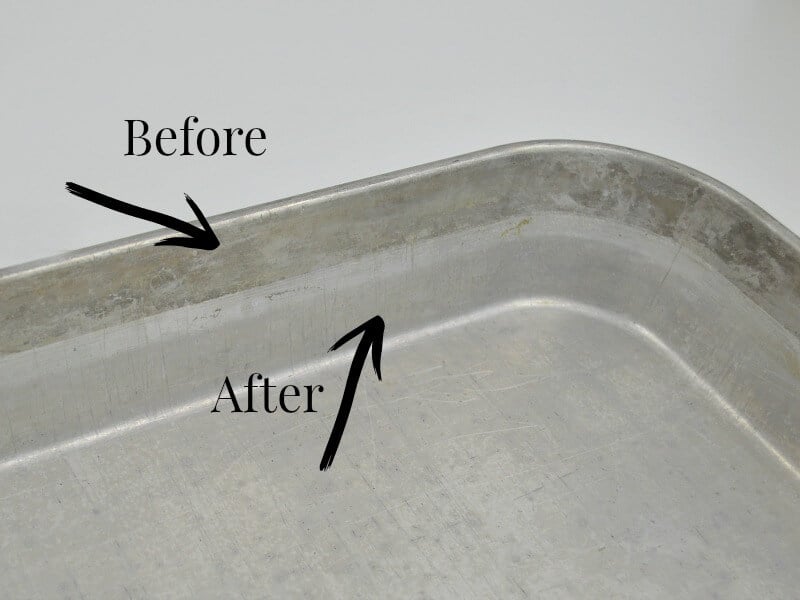
Understanding the Benefits of Aluminum
Before we dive into the world of cleaning stained aluminum, let’s first talk about the benefits of this versatile metal. Aluminum is a non-ferrous metal that is widely used in various industries, including cookware, furniture, and even construction. Its lightweight, corrosion-resistant properties make it an ideal material for many applications. However, one of its biggest drawbacks is its tendency to oxidize and become stained.
Aluminum’s benefits extend beyond its physical properties. It’s also an excellent conductor of heat, making it a popular choice for cookware and appliances. Additionally, aluminum is recyclable, which means that at the end of its life cycle, it can be easily melted down and reused.
Aluminum Stains in the Kitchen: How to Clean Them
One of the most common places where aluminum stains can occur is in the kitchen. Whether it’s a saucepan, a colander, or a utensil holder, aluminum can easily get stained with food residue, water spots, and other substances. But fear not! With the right cleaning techniques, you can restore your aluminum cookware to its original shine.
Aluminum stains in the kitchen can be caused by a variety of factors, including acidic foods like tomatoes and citrus, grease, and mineral deposits from tap water. To prevent these stains, it’s essential to clean your aluminum surfaces regularly and use a gentle cleaning solution that won’t damage the metal.
Natural Cleaning Methods for Stained Aluminum
When it comes to cleaning stained aluminum, there are several natural methods you can try at home. One of the most effective is using a mixture of baking soda and water. Simply mix 1 tablespoon of baking soda with 2 tablespoons of water to create a paste, apply it to the stained area, and scrub gently with a soft cloth. Rinse with warm water and dry thoroughly.
Another method involves using white vinegar as a degreaser. Mix equal parts water and white vinegar in a spray bottle and spritz onto the stained area. Let it sit for 10-15 minutes before rinsing with warm water and drying thoroughly.
For tougher stains, you can try combining different cleaning methods. For example, mixing baking soda and vinegar creates a paste that can help break down tough stains. Alternatively, using a mixture of equal parts water and lemon juice can help dissolve mineral deposits and food residue.
Cleaning Stained Aluminum on Window Frames and Sills
Window frames and sills are another common place where aluminum can get stained. To clean these areas, you’ll need a gentle cleaning solution that won’t damage the aluminum. Mix equal parts water and white vinegar in a spray bottle and spritz onto the stained area. Use a soft cloth to wipe down the frame and sill, and dry thoroughly.
When cleaning window frames and sills, it’s essential to avoid using abrasive cleaners or scrubbers, as they can scratch the surface of the aluminum. Instead, opt for a gentle cleaning solution that will effectively remove stains without damaging the metal.
Anodized Aluminum: A Special Case
When it comes to anodized aluminum, you’ll need to use a slightly different cleaning method. Anodizing is a process that applies a layer of oxide to the surface of the aluminum, making it more resistant to corrosion. However, this also means that it can be more difficult to clean.
To clean anodized aluminum, mix equal parts water and white vinegar in a spray bottle and spritz onto the stained area. Use a soft cloth to wipe down the surface, and dry thoroughly. Avoid using abrasive cleaners or scrubbers, as they can damage the anodized layer.
Anodized aluminum is also more prone to staining due to its smooth surface. To prevent stains from forming on anodized surfaces, make sure to clean them regularly with a gentle cleaning solution.
Tips for Cleaning Stained Aluminum
Regardless of the type of aluminum you’re working with, there are several general tips to keep in mind when cleaning stained areas:
- Always use a gentle cleaning solution that won’t damage the aluminum.
- Avoid using abrasive cleaners or scrubbers, as they can scratch the surface.
- Dry thoroughly after cleaning to prevent water spots and mineral deposits.
- For tough stains, try combining different cleaning methods (e.g., baking soda and vinegar).
- Regularly clean your aluminum surfaces to prevent staining in the first place.
By following these tips and techniques, you can keep your aluminum surfaces looking their best and prevent staining from becoming a permanent problem.
Advanced Cleaning Techniques
For more severe stains or stubborn grime, there are several advanced cleaning techniques you can try. One of the most effective is using a mixture of baking soda and hydrogen peroxide. Simply mix equal parts baking soda and hydrogen peroxide to create a paste, apply it to the stained area, and scrub gently with a soft cloth. Rinse with warm water and dry thoroughly.
Another technique involves using a mixture of equal parts water and lemon juice to dissolve mineral deposits and food residue. This solution can be especially effective for removing stains from aluminum cookware.
Common Mistakes to Avoid
When cleaning stained aluminum, there are several common mistakes to avoid:
- Using abrasive cleaners or scrubbers, which can scratch the surface.
- Applying too much pressure or using excessive force, which can damage the metal.
- Not drying the area thoroughly after cleaning, which can lead to water spots and mineral deposits.
By avoiding these common mistakes and following the tips and techniques outlined in this guide, you can keep your aluminum surfaces looking their best and prevent staining from becoming a permanent problem.
Specialized Cleaning Products
In addition to natural cleaning methods, there are several specialized cleaning products available that can help tackle tough stains on aluminum. One of the most popular is CLR (Calcium, Lime, and Rust Remover), which is specifically designed for removing mineral deposits and grime from aluminum surfaces.
Another effective option is WD-40, a penetrating oil that can help dissolve tough stains and loosen stuck-on grime. Simply spray WD-40 onto the stained area, let it sit for a few minutes, and then wipe clean with a soft cloth.
Conclusion
Cleaning stained aluminum requires patience, persistence, and the right techniques. By understanding the benefits of aluminum and using natural cleaning methods, specialized products, and advanced cleaning techniques, you can restore your aluminum surfaces to their original shine.
Remember to always use gentle cleaning solutions, avoid abrasive cleaners or scrubbers, and dry thoroughly after cleaning to prevent water spots and mineral deposits. With these tips and techniques, you’ll be well on your way to becoming an expert at cleaning stained aluminum and keeping your surfaces looking their best.


