
Are you aware of the potential dangers of allergenic foods? Food allergies can have severe consequences, ranging from mild symptoms like itching and redness to life-threatening reactions like anaphylaxis. In this article, we’ll explore the common allergenic foods, their symptoms, and provide guidance on how to prevent and substitute them.
What are Allergenic Foods?
An allergen is a substance that can trigger an allergic reaction in some individuals. These substances are usually harmless but can cause a range of reactions, from mild discomfort to severe health issues. An allergenic food is a product or ingredient containing an allergen that can provoke an allergic response.
Common Allergenic Foods
There are over 160 foods identified as potential allergens, with the most common ones being:
- Dairy products: Milk, cheese, and other dairy-related ingredients
- Eggs: Whole eggs, egg whites, and egg yolks
- Shellfish: Shrimp, crab, lobster, and other shellfish
- Nuts: Almonds, walnuts, pecans, and other nuts
- Soy: Soybeans, tofu, and other soy-based products
- Wheat: Wheat flour, bread, pasta, and other wheat-containing foods
These allergens can cause a range of reactions, from mild symptoms like itching and redness to severe health issues like anaphylaxis.
Symptoms of Food Allergies
The symptoms of food allergies can vary in severity and may include:
- Mild symptoms: Itching, redness, swelling, hives
- Moderate symptoms: Stomach cramps, diarrhea, vomiting, fatigue
- Severe symptoms: Anaphylaxis (a life-threatening allergic reaction)
Preventing Food Allergies
While there is no guaranteed way to prevent food allergies, a healthy and balanced diet can reduce the risk. Here are some tips:
- Eat a diverse diet: Expose yourself to a variety of foods to build tolerance.
- Avoid common allergens: Reduce exposure to known allergenic foods.
- Breastfeeding: Exclusive breastfeeding for six months may help prevent allergies.
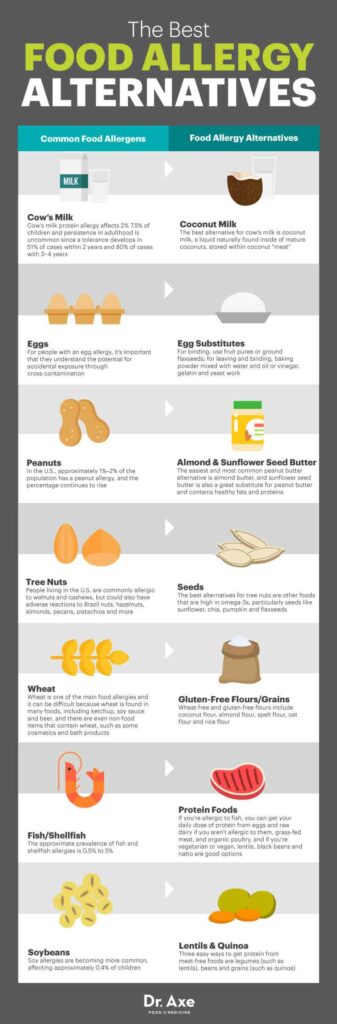
Substituting Allergenic Foods
If you’re allergic to a particular food, it’s essential to find safe alternatives. Here are some suggestions:
- Dairy substitutes: Almond milk, soy milk, oat milk, and coconut milk
- Egg substitutes: Flaxseed eggs, chia seed eggs, mashed banana, and applesauce
- Shellfish alternatives: Fish, poultry, tofu, and legumes
- Nut substitutes: Seeds, avocado, and fruit
Conclusion
Food allergies are a significant concern for many people. By understanding the common allergenic foods, their symptoms, and providing guidance on prevention and substitution, you can take control of your health and well-being.
Frequently Asked Questions (FAQs)
- What is anaphylaxis?
Anaphylaxis is a life-threatening allergic reaction that requires immediate medical attention. - How do I prevent food allergies?
A healthy and balanced diet, exposure to diverse foods, and avoiding common allergens can reduce the risk of food allergies. - Can you substitute shellfish with other protein sources?
Yes, fish, poultry, tofu, and legumes are all viable alternatives to shellfish. - What is a safe alternative to dairy products for those with lactose intolerance?
Almond milk, soy milk, oat milk, and coconut milk are popular dairy substitutes. - Can you use flaxseed eggs in baking?
Yes, flaxseed eggs can be used as a substitute for traditional eggs in baked goods. - How do I identify a food allergy?
Common symptoms include itching, redness, swelling, hives, stomach cramps, diarrhea, vomiting, fatigue, and anaphylaxis. - Can you get food allergies from other people?
No, food allergies are typically genetic and cannot be transmitted through contact with others. - How do I treat a food allergy reaction?
In the event of an allergic reaction, call emergency services or administer epinephrine if available.
Managing Food Allergies in Different Situations
Food allergies can occur at any time, but some situations may require more caution than others:
- Public places: Restaurants and cafes may have foods with common allergens.
- Social gatherings: When eating out or attending social events, it’s essential to inform the host about your food allergy.
- Travel: Research restaurants and local ingredients before traveling.
- School and work environments: Communicate with colleagues and classmates about food allergies in the workplace.
Conclusion
Understanding allergenic foods and taking steps to prevent and substitute them is crucial for maintaining a healthy diet. By being aware of common allergens, symptoms, and safe alternatives, you can take control of your health and well-being.
Frequently Asked Questions (FAQs)
- What should I do if I suspect food allergies?
Consult a healthcare professional or registered dietitian for guidance. - Can I get a food allergy test?
Yes, there are various tests available to diagnose food allergies. - How long does it take to develop a food allergy?
Symptoms can appear within minutes or hours after consuming the allergen.
Conclusion
Food allergies can have severe consequences, but with proper knowledge and precautions, you can manage them effectively. By understanding common allergenic foods, symptoms, and safe alternatives, you can maintain a healthy diet and take control of your health and well-being.
Additional Resources
- National Institute of Allergy and Infectious Diseases (NIAID): Provides information on food allergies and allergy treatments.
- American Academy of Allergy, Asthma, and Immunology (AAAAI): Offers resources and guidance for managing food allergies.
- Food Allergy Research & Education (FARE): A non-profit organization dedicated to researching and raising awareness about food allergies.


