
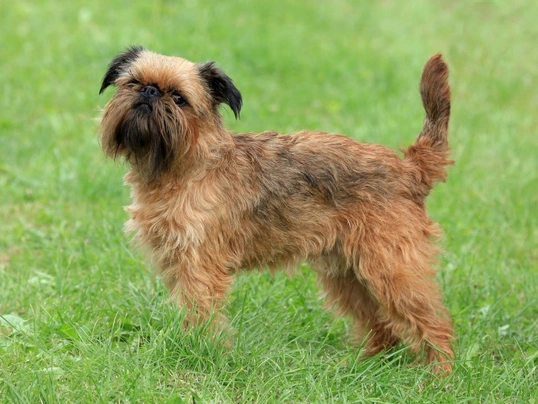
Are you fascinated by the charming and intelligent Brussels Griffon? This small but mighty breed has been a beloved companion for many families around the world. But where did this delightful dog come from?
In this article, we’ll delve into the history of the Brussels Griffon, explore its characteristics, and discuss how to care for these wonderful dogs.
Origins of the Brussels Griffon
The Brussels Griffon’s origins are shrouded in mystery, but one thing is clear: it’s a Belgian breed. The name “Griffon” suggests that it may have descended from the Smousje, a small dog from the Brabant region of Belgium. Over time, the breed has been crossed with other dogs, such as the King Charles Spaniel and the Carlino, to create the unique characteristics we see today.
One theory is that the Brussels Griffon was developed in the 19th century by crossing the Smousje with other breeds to create a dog that was intelligent, energetic, and affectionate. This selective breeding process helped to shape the breed into what we know today.
Despite its long history, the Brussels Griffon remains a relatively rare breed. However, its popularity has been growing in recent years, thanks to its unique appearance and charming personality.
Characteristics of the Brussels Griffon
So, what makes the Brussels Griffon tick? This little dog is known for its:
- Vivacious personality: Brussels Griffons are friendly, outgoing, and full of energy. They make great companions for families with children or for people who enjoy active lifestyles.
- Intelligence: They’re highly intelligent and can learn quickly with positive reinforcement training. With patience and consistency, you can teach your Brussels Griffon to perform a range of tasks and tricks.
- Loyalty: These dogs bond strongly with their owners and can become protective if they feel threatened. This loyalty makes them great watchdogs, but it also means that they need plenty of attention and affection from their family.
- Appearance: Brussels Griffons have a distinctive appearance, with a short, smooth coat in a variety of colors, including black, red, and white. Their small size and delicate features make them a popular choice for people who want a compact companion dog.
Raising a Healthy Brussels Griffon
If you’re considering bringing a Brussels Griffon into your family, here are some things to keep in mind:
- Size: Brussels Griffons are small dogs, weighing between 3.5-6 kg (7.7-13.2 lbs). This makes them perfect for people who live in apartments or have limited space.
- Grooming: They have a short, smooth coat that requires minimal grooming. However, they do need regular nail trimming and ear cleaning to stay healthy.
- Exercise: These dogs need regular exercise to stay healthy and happy, including daily walks and playtime. Brussels Griffons are natural athletes and love to run, jump, and play.
- Diet: A balanced diet is essential for maintaining the health and well-being of your Brussels Griffon. Feed them high-quality dog food that meets their nutritional needs, and avoid overfeeding or underfeeding.
Finding a Reputable Breeder
If you’re interested in purchasing a Brussels Griffon, make sure to find a reputable breeder who prioritizes the health and well-being of their dogs. Look for breeders who:
- Health test: Their breeding stock should be healthy and free from genetic disorders. Look for breeders who have performed genetic tests on their dogs to identify potential health issues.
- Temperament testing: They should have a good understanding of the temperament and personality traits of their dogs. This will help you find a dog that’s right for your family.
Common Health Issues
While Brussels Griffons are generally healthy dogs, they can be prone to certain health issues. Some common health problems in this breed include:
- Hip dysplasia: This is a genetic condition that affects the hip joint, causing pain and arthritis.
- Patellar luxation: This is a condition where the kneecap slips out of place, causing pain and discomfort.
- Eye problems: Brussels Griffons are prone to eye issues such as cataracts and progressive retinal atrophy.
- Allergies: They can suffer from allergies, which can cause skin problems and ear infections.
Training Your Brussels Griffon
Training is essential for any dog breed, and Brussels Griffons are no exception. With positive reinforcement training, you can teach your dog to perform a range of tasks and tricks, including:
- Basic obedience: Teach your dog to sit, stay, come, and heel.
- Trick training: Teach your dog to perform fun tricks like “shake,” “roll over,” and “play dead.”
- Agility training: Brussels Griffons love to run and jump, making them perfect for agility training.
Conclusion
The Brussels Griffon is a unique and charming breed that makes a wonderful companion for families and individuals alike. By understanding its origins, characteristics, and care requirements, you can provide the best possible life for your new furry friend.
Whether you’re a seasoned dog owner or a first-time pet parent, the Brussels Griffon is sure to bring joy and excitement into your life.
Frequently Asked Questions
- What is the average lifespan of a Brussels Griffon?
The average lifespan of a Brussels Griffon is 12-15 years. - How much exercise does a Brussels Griffon need?
Brussels Griffons require regular exercise, including daily walks and playtime, to stay healthy and happy. - What are the most common health issues in Brussels Griffons?
Some common health issues in Brussels Griffons include hip dysplasia, patellar luxation, and eye problems. - Can I train a Brussels Griffon myself?
While it’s possible to train a Brussels Griffon yourself, positive reinforcement training with a professional trainer can help ensure the best results. - Are Brussels Griffons good with children?
Brussels Griffons are generally good with children, but as with any breed, it’s essential to socialize them well and teach children how to interact with dogs safely.
By answering these questions and understanding more about this wonderful breed, you’ll be better equipped to provide the love and care your new furry friend deserves.


