
What is Vitamin B?
Vitamin B is one of the most widely recognized vitamins, often referred to as “numbered” vitamins. Its importance cannot be disputed, but it’s easy to know what it does without understanding how. Let’s dive into why it’s essential to consume the right amount every day and how to do so through a balanced diet without relying on supplements.
History of Vitamin B
The discovery of vitamin B can be traced back to 1906 when Polish biochemist Casimir Funk first isolated two amino acids, which he later referred to as “vitamin B.” However, it was not until the 1930s that the term “vitamin” was added to the name. The remaining vitamins were grouped into three categories: vitamin B1 (thiamine), B2 (riboflavin), and B3 (niacin). In the 1950s and 1960s, scientists discovered more types of vitamin B.
What Does Vitamin B Do?
Looking at the symptoms of vitamin B deficiency is a great way to understand its purpose. When we don’t consume enough vitamin B, we can notice some unpleasant signs: dry skin, acne, weak hair, loss of appetite, insomnia, and constipation. The most common symptoms are loss of appetite, fatigue, irritability, particularly the lack of vitamin B6, which can cause numbness in the extremities, vision problems, and difficulty concentrating.
The most important one is the vitamin B6, as it protects the central nervous system, while vitamin B12 also plays a significant role. When we don’t have enough of either, anemia perniciosa can occur, leading to digestive issues and neurological symptoms.
What Causes Vitamin B Deficiency?
While eating a balanced diet should provide us with the necessary amount of vitamin B, there are physical factors that can contribute to its deficiency. Stress, use of sleeping pills and antibiotics can all impact vitamin B absorption. For example, see our page on Folic Acid for more information.
Substances like caffeine, sugar, and alcohol can have an anti-vitamin effect, not eliminating them but consuming them with moderation. In cooking, overcooking can destroy two-thirds of the vitamin present in fresh foods.
Benefits of Vitamin B
The vitamins form a team that fights to help our immune system and nervous system. But their benefits don’t stop there. They stimulate cell growth, maintain skin and muscle health, convert food into energy, and are the basis for hormone production related to stress and sexuality.
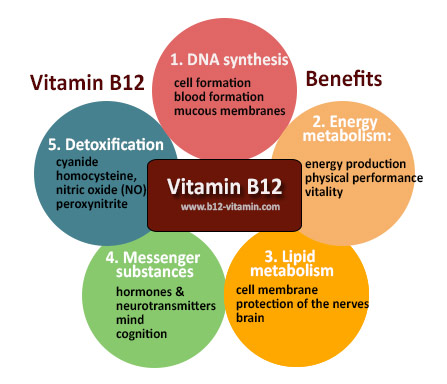
As we already discussed, vitamin B12 is one of the most important. It’s essential for red blood cell production and maintaining nerves. When we don’t consume enough, we can experience depression, confusion states or dementia.
Types of Vitamin B
There are eight vitamins in the group: thiamine (B1), riboflavin (B2), niacin (B3), pantothenic acid (B5), vitamin B6, biotin (B7), folic acid (B9), and vitamin B12. Each has its own unique function and plays a crucial role in our overall health.
Food Sources of Vitamin B
Animal-derived foods are a great source of B vitamins, starting with pork, eggs, and dairy products. Vegetables like soybeans, asparagus, nuts, whole grains, and germ of wheat are also excellent sources. However, it’s crucial to note that refined products can lose the vitamin during processing.
At the table or in a food store, you can find B vitamins in other foods: beer yeast, tuna, bananas, prunes, potatoes, peas (rich in B2 and B6). To get enough B9, focus on legumes like beans, spinach, green beans, strawberries, broccoli, and lettuce.
When to Use Supplements
While a balanced diet should be sufficient, there are cases where it’s not. In such situations, we can rely on supplements, especially an ultra-potent one with 8 vitamins: B1, B2, B3, B5, B6, B12, D-biotin and folic acid.
It’s a great way to get full energy and combat fatigue.
Vitamin B and Hair
This vitamin is often associated with beauty and doesn’t just impact overall well-being. While we haven’t discussed its effects on hair growth yet, we can infer that consuming enough vitamin B12 will lead to stronger hair and less dryness.
Better still, your skin will be healthier and more even-toned.
Vitamin B: Contraindications
There are no general contraindications for Vitamin B. However, it’s essential to consider our individual sensitivity levels. Overconsumption can lead to side effects like photosensitivity, nausea, vomiting, temporary loss of appetite.
During pregnancy, women should be particularly cautious and follow the recommended dietary allowance without overdoing it.
Frequently Asked Questions
- What are the benefits of taking vitamin B supplements?
Vitamin B supplements offer several benefits, including improved energy levels, reduced fatigue, enhanced immune function, and better overall health. Vitamin B12 supplements can also help alleviate symptoms of depression, anxiety, and memory loss.
- Can I get enough vitamin B through a balanced diet alone?
The answer is yes! A well-balanced diet that includes a variety of whole foods can provide adequate amounts of all the vitamins in the B group. However, it’s essential to consume a diverse range of foods to ensure you’re getting all the necessary nutrients.
- Which vitamins form a team that fights to help our immune system and nervous system?
The answer is thiamine (B1), riboflavin (B2), niacin (B3), pantothenic acid (B5), vitamin B6, biotin (B7), folic acid (B9), and vitamin B12. Each plays a unique role in supporting our immune system and nervous system.
- How do I get enough B9, specifically folic acid?
To get enough folic acid, focus on consuming foods rich in folate, such as legumes like beans, spinach, green beans, strawberries, broccoli, and lettuce. You can also consider taking supplements or consulting with a healthcare professional for personalized recommendations.
- Are there any contraindications for Vitamin B consumption?
Yes, some individuals may be sensitive to certain vitamins in the B group. Pregnant women should consult their healthcare provider before consuming high doses of vitamin B, as excessive intake can lead to adverse effects.
- What happens when we don’t consume enough vitamin B12?
When we don’t consume enough vitamin B12, we may experience fatigue, weakness, and neurological symptoms such as numbness or tingling in the extremities. If left untreated, vitamin B12 deficiency can lead to more severe health problems like anemia perniciosa.
- Can vitamin B supplements be used as a substitute for a balanced diet?
No! While vitamin B supplements can help fill nutritional gaps, they should not replace a well-balanced diet. A healthy lifestyle and regular meal planning are still essential for optimal health.
- Are there any risks associated with overconsumption of vitamin B?
Yes, excessive consumption of certain vitamins in the B group can lead to adverse effects like photosensitivity, nausea, vomiting, and temporary loss of appetite. Always consult with a healthcare professional before taking high-dose supplements or increasing your intake of specific vitamins.
In conclusion, Vitamin B is an essential nutrient that plays a vital role in maintaining our overall health and well-being. Understanding the importance of vitamin B, its benefits, and how to obtain it through a balanced diet can help prevent deficiency and promote optimal health.


