
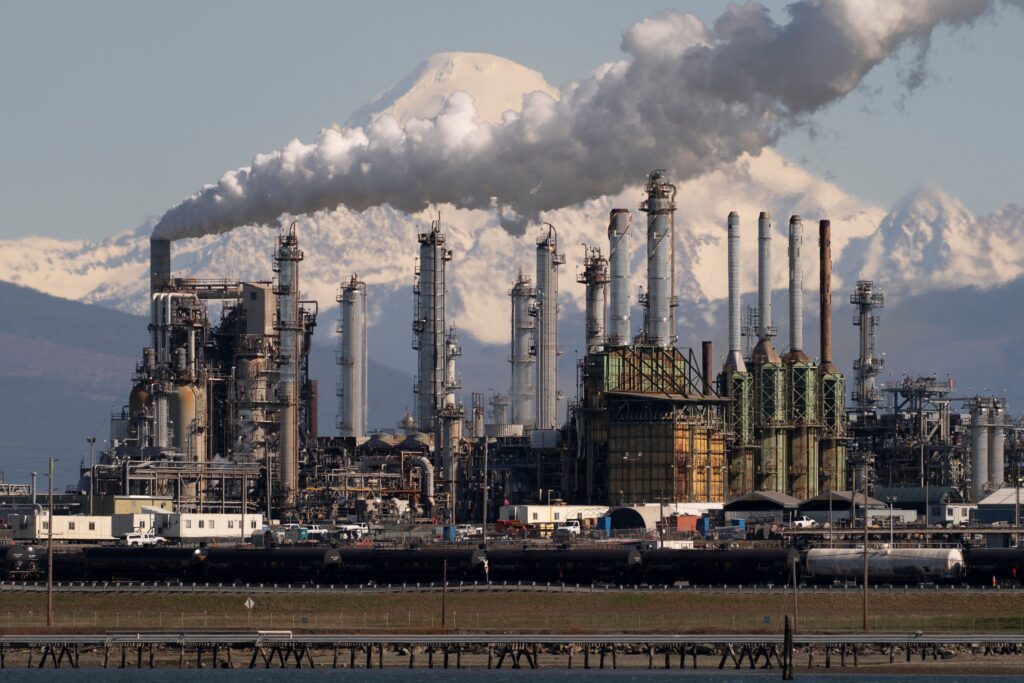
As we stand at the threshold of a new decade, it’s clear that our reliance on fossil fuels is becoming increasingly unsustainable. The petrolium industry, once a booming sector, is now facing unprecedented challenges from scarcity and pollution. In this article, we’ll delve into the complex issues surrounding oil, explore the consequences of its depletion, and discuss potential solutions to mitigate its impact.
The Scarcity of Oil
Oil has long been the lifeblood of modern civilization. From powering our cars to fueling our industries, it’s hard to imagine a world without it. However, as we pump more and more oil from the earth, we’re running out faster than ever before. The International Energy Agency (IEA) estimates that at current consumption rates, there will be 50 years’ worth of oil left by 2025.
This scarcity is not just a matter of supply and demand; it’s also a result of our increasing reliance on non-renewable energy sources. As the world’s population grows, so does our energy demand. The IEA projects that global energy consumption will rise from 18.1 terawatts in 2019 to 30.7 terawatts by 2050. However, the rate of increase is slowing down due to growing concerns about climate change and air pollution.
The Pollution Problem
But even if we were to somehow magically find a way to extract every last drop of oil from the earth, the problem wouldn’t go away. The extraction process itself is a major source of pollution, with chemicals and toxins released into the air and water. Moreover, the combustion of fossil fuels contributes to climate change, one of the most pressing issues facing humanity today.
The impact of oil pollution on human health is well-documented. Exposure to pollutants such as particulate matter (PM), nitrogen dioxide (NO2), and volatile organic compounds (VOCs) can lead to a range of respiratory problems, including asthma, bronchitis, and lung cancer. In addition, the extraction and transportation of oil have been linked to environmental disasters, including oil spills and pipeline ruptures.
The Consequences of Depletion
As we exhaust our oil reserves, the consequences will be far-reaching. Energy prices will skyrocket, leading to economic instability and social unrest. The cost of producing alternative energy sources, such as solar and wind power, will plummet, making them more competitive with fossil fuels.
Another consequence of oil depletion is the loss of jobs in the oil industry. As the demand for oil decreases, companies may need to downsize or shut down operations entirely, leading to widespread unemployment.
A New Era of Exploration
So what’s next? As we transition away from oil, we’ll need to find new ways to extract energy from the earth. One potential solution is hydraulic fracturing, also known as fracking. However, the environmental and health impacts of fracking are still being debated, and some experts argue that it may not be a viable long-term solution.
Another option is geothermal energy, which harnesses the heat from beneath the Earth’s surface to generate electricity. This technology has been around for decades, but it’s only recently become more viable due to advances in drilling and exploration techniques.
Case Study: The “Pane e Energia” Project
One company that’s exploring alternative solutions is Revolution Energy Maker (REM). Their “Pane e Energia” project aims to harness the power of food waste to generate electricity. This innovative approach has the potential to reduce greenhouse gas emissions and mitigate the effects of oil depletion.
However, there are still many challenges to overcome before this technology can be scaled up for widespread use. For example, food waste is often generated in urban areas, where it’s difficult to access the necessary infrastructure to process and utilize it as energy. Additionally, the production costs of generating electricity from food waste are currently higher than traditional methods.
The Power of Consumer Choice
As individuals, we have the power to make a difference. By choosing sustainable options and reducing our energy consumption, we can help mitigate the effects of oil depletion. This includes adopting practices such as carpooling, using public transportation, or investing in electric vehicles.
We can also make conscious choices about the products we buy and how they’re produced. For example, choosing food from local farmers who use sustainable agriculture practices can reduce our carbon footprint and support the local economy.
However, balancing our desire for convenience with our need to reduce our carbon footprint is a delicate task. Many of us are still dependent on fossil fuels, and making significant changes to our lifestyle can be challenging.
The Rise of Energy Efficiency
One area where consumers are making a real difference is in the world of energy efficiency. By investing in efficient appliances and lighting, we can significantly reduce our energy consumption. This not only helps mitigate the effects of oil depletion but also saves us money on our energy bills.
There are many incentives available for consumers who choose to invest in energy-efficient products. Governments and companies offer tax credits, rebates, and other forms of support to encourage people to make the switch.
However, access to affordable energy-efficient technology is still a major challenge for many households. Low-income families, in particular, may struggle to afford the upfront costs of installing new appliances or lighting systems.
The Future of Transportation
As we transition away from oil, our transportation systems will need to change too. Electric vehicles are becoming increasingly popular, but how will they be powered? Will it be through renewable energy sources or some other technology entirely?
Governments and companies are exploring a range of options for powering electric vehicles. Some are investing in grid-scale batteries that can store excess energy generated from solar panels or wind turbines. Others are developing new technologies that can harness the power of kinetic energy, such as kinetic energy harvesting systems.
However, there are still many challenges to overcome before widespread adoption of electric vehicles becomes a reality. For example, the cost of building out charging infrastructure is high, and it’s unclear whether governments will be able to provide sufficient incentives for consumers to make the switch.
Conclusion
The future of oil is a complex and multifaceted issue. As we navigate the challenges of scarcity and pollution, we must consider alternative solutions and work towards a more sustainable future. By making conscious choices about our energy consumption, investing in innovation, and advocating for policies that support clean energy, we can create a world that’s powered by clean energy.
Frequently Asked Questions
- What is the current state of oil reserves?
The International Energy Agency (IEA) estimates that there will be 50 years’ worth of oil left by 2025 at current consumption rates. - How much does fracking cost?
The cost of fracking varies depending on location and geology, but it can range from $10 to $30 per barrel. - Can we really power our homes with food waste?
Yes, companies like Revolution Energy Maker are exploring the use of food waste to generate electricity. However, it’s not yet clear if this technology will be widely adopted. - How can I reduce my energy consumption?
Simple changes, such as using energy-efficient appliances and turning off lights when not in use, can make a significant difference. - What is the best way to power electric vehicles?
Renewable energy sources, such as solar and wind power, are becoming increasingly viable options for powering electric vehicles. - Will we ever run out of oil?
It’s unlikely that we’ll completely run out of oil, but at current consumption rates, there will be 50 years’ worth of oil left by 2025. - How can I invest in sustainable living options?
There are many ways to invest in sustainable living options, including buying energy-efficient appliances and investing in renewable energy sources. - What is the future of transportation?
The future of transportation will likely involve a mix of electric vehicles, public transportation, and alternative modes of transportation such as walking and cycling.


