
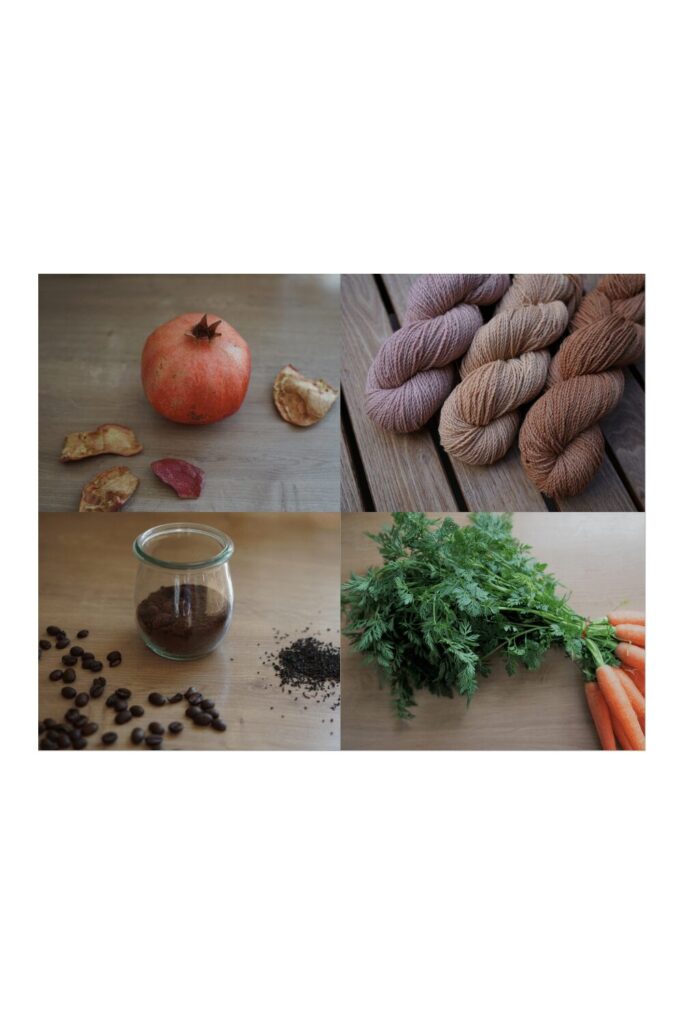
As we strive to create a more sustainable future, it’s essential to explore innovative solutions that reduce our environmental footprint. One such solution is the use of natural dyes derived from vegetable scraps, which can replace synthetic colorants in various industries. In this article, we’ll delve into the world of natural dyes, their benefits, and the story behind a winning project by Italian students.
The Birth of Natural Dyes
During an internship at the Palermo Customs Laboratory, students from the ITI “Cannizzaro” in Catania discovered that many imported products contained toxic substances. This sparked the question: can natural dyes be a viable alternative to synthetic colorants?
To address this concern, the students turned their attention to vegetable scraps like ravanelli, cavoli rossi, carciofi, cipolla rossa, and cipolla dorata. These scraps were extracted and separated into colorants for wool, cotton, and linen.
Breaking New Ground
The students’ innovative project won the first prize in the “InvFactor – Also You Genius!” contest organized by the Institute of Population Research and Social Policies (Irpps-Cnr) and the European Commission’s Representation in Italy. The winning team, consisting of students from the ITI Cannizzaro, was led by Professor Angela Percolla.
The Story Behind the Project
Professor Percolla’s approach to the project was simple yet revolutionary: “Wear clothes with the colors of nature.” This philosophy guided the students’ research and development process.
Key Innovations
Two significant innovations emerged from this project:
- Salubrità Study: The team conducted a thorough study on the safety of natural dyes, ensuring that they were non-toxic and environmentally friendly.
- Color Nature Study: Researchers explored the properties of natural colors, developing techniques for reading and managing color.
From Awareness to Action
Before embarking on this project, the students were already aware of environmental issues and the importance of sustainability. Their experience reinforced their commitment to these values.
Challenges and Solutions
The team faced no significant challenges while working on the project. The work was conducted at their school’s laboratories, where they worked individually and in groups. They created a sample of colored textiles using natural dyes.
What Did the Students Do?
After selecting the raw materials (vegetable scraps), the students extracted colorants from both water and alcohol. Then, they entered the world of natural dyeing: natural fibers like wool and cotton underwent mordantization, followed by immersion in the dye bath.
Beyond Competitions: Green Initiatives at School
In addition to participating in competitions, their school promotes environmental awareness through various initiatives. Every year, Professor Percolla selects a theme for a Chemistry of Nature lesson plan, which changes according to the age group of students.
The Future of Sustainability
For our future generation, sustainability is one of the most pressing issues. It’s clear that human activities have caused irreparable environmental damage. Technology has advanced, but it’s not yet environmentally friendly.
Schools and Institutions: Taking Action
Many schools are already addressing environmental concerns through their curricula. However, institutions often need to be more proactive in promoting sustainability. In Catania, for example, the recycling program is still struggling to gain momentum, while traffic remains a significant problem.
Interview with Timpano Daniele and Di Nanno Michela
We spoke with students Timpano Daniele and Di Nanno Michela about their experience working on this project.
Conclusion
The story of natural dyes from vegetable scraps serves as a reminder that innovation can be found in the most unexpected places. By harnessing the power of nature, we can create a more sustainable future for ourselves and our planet.
FAQs
- What inspired the students to explore natural dyes?
- How did the team develop their innovative project?
- What were some of the challenges faced by the students during this project?
- Can you share any additional information about the school’s environmental initiatives?
- In your opinion, how can schools and institutions promote sustainability among younger generations?
- How do you see natural dyes from vegetable scraps becoming more widely adopted in various industries?
- What advice would you give to students interested in pursuing a career in sustainable textiles or environmental science?
- Are there any upcoming events or projects that you’re excited about?
The Impact of Natural Dyes on the Environment
One of the most significant benefits of natural dyes is their minimal impact on the environment. Unlike synthetic colorants, which are often made from non-renewable resources and can pollute waterways, natural dyes are derived from plant materials that are biodegradable.
Applications in Various Industries
The potential applications of natural dyes are vast and varied. In the fashion industry, natural dyes could replace synthetic colors, reducing waste and environmental pollution. In the textile industry, natural dyes could be used to create sustainable fabrics for clothing and other products.
Future Research Directions
While the students’ project demonstrated the feasibility of using vegetable scraps as a source of natural dye, there is still much to be learned about this topic. Future research should focus on optimizing the extraction process, improving the colorfastness of natural dyes, and exploring new applications for these sustainable materials.
Conclusion
In conclusion, the story of natural dyes from vegetable scraps serves as a reminder that innovation can be found in the most unexpected places. By harnessing the power of nature, we can create a more sustainable future for ourselves and our planet.


