
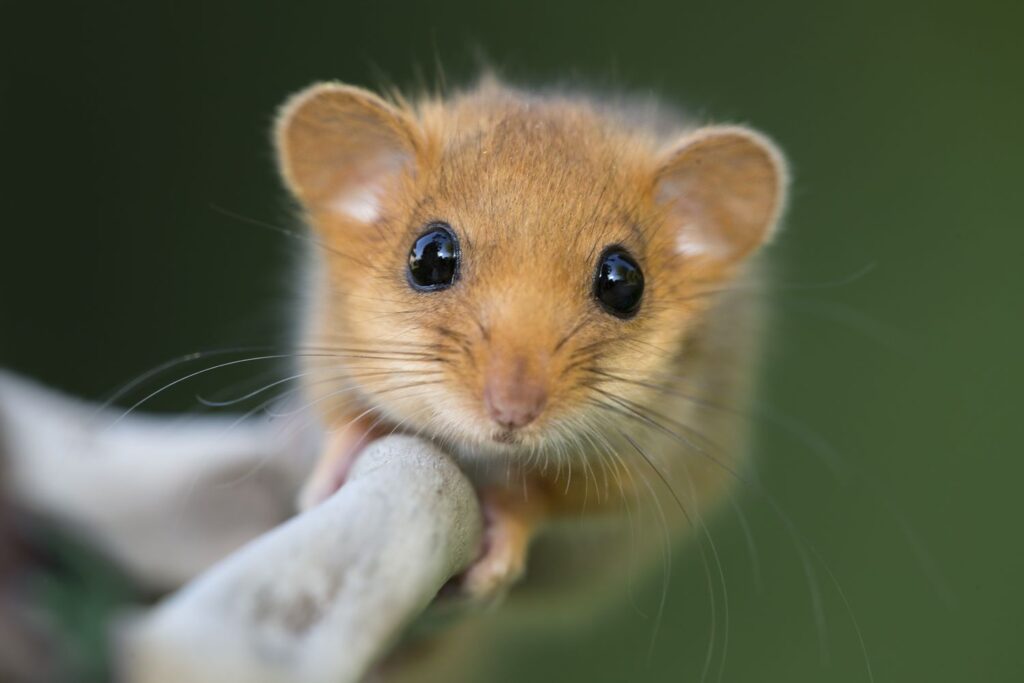
As we step into the realm of the hedgehog, a fascinating creature that has captivated human imagination for centuries, it’s hard not to wonder about its habits, habits, and characteristics. Often misunderstood as a sleepy animal, hedgehogs are more than just a myth; they’re a vital part of our ecosystem, with a rich history dating back millions of years.
In this article, we’ll delve into the world of the hedgehog, exploring its physical characteristics, diet, behavior, reproduction, and longevity. We’ll also examine why hedgehogs are often misunderstood and what makes them so unique and special.
Physical Characteristics of Hedgehogs
Hedgehogs are small, spiny mammals that belong to the family Erinaceidae. They can grow up to 30 centimeters in length, with a weight range of 200-400 grams. Despite their small size, hedgehogs have some remarkable physical features, including:
- A thick, woolly coat that ranges from gray to brown in color
- Large eyes and ears, particularly the latter, which are quite small compared to their body size
- A long, thin snout
- A set of sharp, barbed spines on their back that serve as a defense mechanism
One of the most distinctive features of hedgehogs is their unique ability to curl up into a ball when threatened. This behavior, known as “balling,” serves as an effective deterrent against predators, making it difficult for them to get close enough to attack.
Hedgehogs: Do They Really Hibernate?
One of the most common misconceptions about hedgehogs is that they hibernate during the winter months. However, this couldn’t be further from the truth. Hedgehogs are not true hibernators; instead, they experience a state of dormancy called “torpor,” which helps them conserve energy during periods of food scarcity.
During torpor, a hedgehog’s heart rate slows down dramatically, and their body temperature drops to just above freezing. This allows them to survive for extended periods without food or water, making it an essential adaptation in areas where food is scarce.
Diet and Nutrition
Hedgehogs are omnivores, with a diet that consists mainly of fruits, nuts, insects, and small vertebrates. They forage for food at night, using their keen sense of smell to locate their next meal. In the wild, hedgehogs play an important role in controlling insect populations, making them valuable allies in our fight against pests.
In captivity, hedgehogs require a balanced diet that includes a mix of commercial pellets, fruits, and vegetables. A lack of calcium can lead to health problems in hedgehogs, so it’s essential to provide a calcium-rich supplement in their food.
Reproduction and Lifespan
Hedgehogs are prolific breeders, with females able to produce multiple litters per year. The average lifespan of a hedgehog is around 5 years, although some individuals have been known to live up to 10 years in captivity.
In the wild, female hedgehogs typically give birth to 2-4 young after a gestation period of just over two weeks. The young hedgehogs are born blind and helpless, but they develop quickly, reaching independence within a few months.
Conservation Status
Unfortunately, many hedgehog species are facing threats due to habitat loss, fragmentation, and degradation. In addition, they are often viewed as pests by farmers and gardeners, leading to hunting and persecution. As a result, the International Union for Conservation of Nature (IUCN) has listed several hedgehog species as “vulnerable” or “endangered.”
Hedgehogs in Captivity
While it’s illegal to keep hedgehogs as pets in many countries, some individuals still choose to do so. Hedgehogs make interesting and rewarding pets for experienced owners, but they require specialized care and housing.
In captivity, hedgehogs can thrive with proper nutrition, socialization, and environmental enrichment. However, they also require regular veterinary check-ups to ensure their health and well-being.
Interesting Facts About Hedgehogs
- Hedgehogs are one of the few mammals that can rotate their hind legs 180 degrees, allowing them to move in tight spaces.
- In some parts of Europe, hedgehogs are considered a delicacy and are hunted for food.
- Hedgehogs have a unique way of communicating with each other through scent markings, which help them establish territories and avoid predators.
Conclusion
The hedgehog is a fascinating creature that deserves our respect and admiration. By learning more about their behavior, diet, and conservation status, we can work towards protecting these amazing animals and preserving their place in our natural world.
By promoting awareness and understanding of hedgehogs, we can help to dispel common misconceptions and encourage people to appreciate these unique creatures for the important role they play in our ecosystem.


