
LEED (Leadership in Energy and Environmental Design) is a well-known certification standard for energy efficiency and sustainability in buildings. It’s widely recognized globally, and its adoption has become increasingly popular among architects, builders, and developers.
In this article, we’ll delve into the world of LEED certification, exploring what it entails, how it’s achieved, and its benefits. We’ll also examine the different levels of certification and provide examples of successful projects that have achieved LEED Platinum status.
What is LEED Certification?
LEED is a third-party verification process that evaluates an individual building or project against a set of rigorous standards for environmental sustainability. The rating system assesses various aspects, including:
- Environmental impact
- Economic impact
- Social impact
- Health and well-being
To achieve LEED certification, a building must meet the minimum requirements outlined in the LEED Rating System.
How Does LEED Certification Work?
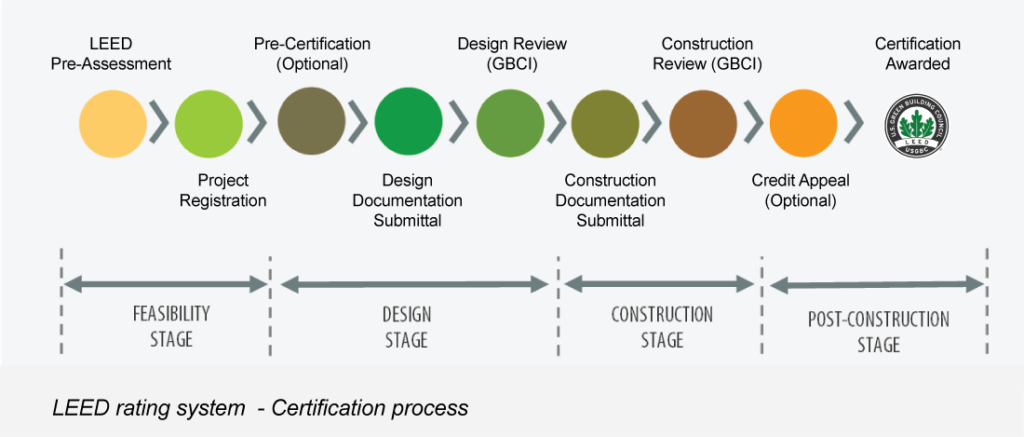
The LEED certification process involves several steps:
- Pre-certification: The developer or owner conducts a preliminary assessment to determine if their project meets the LEED eligibility criteria.
- Registration: If eligible, the project is registered with the U.S. Green Building Council (USGBC), which assigns a unique ID number.
- Commissioning: A third-party commissioning agent evaluates the building’s systems and ensures they meet the minimum requirements for the chosen rating level.
- Audit: The USGBC conducts an on-site audit to verify compliance with the LEED Rating System.
- Rating: Based on the results of the audit, the project is assigned a LEED rating (Platinum, Gold, Silver, or Certified).
LEED Certification Levels
The LEED certification system consists of four rating levels:
- LEED Platinum: The highest level of certification, achieved by buildings that meet or exceed the minimum requirements for all categories.
- LEED Gold: A high-level certification that demonstrates a strong commitment to sustainability.
- LEED Silver: An intermediate level of certification that shows a good balance between environmental and economic performance.
- LEED Certified: The base level of certification, which requires compliance with minimum LEED requirements.
Certification Criteria
To achieve LEED certification, buildings must meet specific criteria in various categories, including:
- Scoring Systems: A points-based system evaluates the building’s performance across different categories.
- Credit Categories: Buildings are assigned credits for meeting specific requirements, such as:
- Water Efficiency
- Energy and Atmosphere
- Materials and Resources
- Indoor Environmental Quality
- Innovation in Design
Benefits of LEED Certification
LEED certification offers numerous benefits to developers, owners, and occupants, including:
- Cost Savings: LEED-certified buildings often experience energy efficiency gains, reducing operating costs.
- Increased Property Value: LEED certification can increase property value by attracting environmentally conscious tenants.
- Enhanced Reputation: Developers who achieve LEED certification demonstrate their commitment to sustainability, enhancing their brand reputation.
Case Study: Collegio Einaudi di Torino
The Collegio Einaudi di Torino in Italy is a prime example of successful LEED certification. The building features innovative design elements, such as:
- Solar Energy: Photovoltaic panels generate electricity.
- Water Conservation: A rainwater harvesting system reduces water consumption.
- Energy Efficiency: High-performance insulation and energy-efficient lighting minimize energy usage.
This project demonstrates the potential for buildings to achieve LEED Platinum status through careful planning, innovative design, and a commitment to sustainability.
Ristrutturazione e Certificazione Leed
In cases of major renovation or construction projects, the process is similar, with additional considerations:
- Existing Building Performance: The pre-existing building’s energy efficiency and environmental impact are evaluated.
- Credit Opportunities: Additional credits can be earned by implementing innovative solutions, such as:
- Green Roof
- Solar Window Films
- High-Performance Insulation
Sustainability in the Built Environment
LEED certification is not limited to buildings alone. It can also apply to public spaces and infrastructure projects, promoting sustainable design and development practices.
Innovative technologies and strategies are continually emerging, offering new opportunities for LEED certification. Some examples include:
- Building Information Modeling (BIM): A digital representation of the building’s design and construction process.
- Energy Recovery Systems: Technologies that harness energy from exhaust air or wastewater to improve heating and cooling efficiency.
Challenges and Limitations
While LEED certification is widely recognized, there are challenges and limitations to achieving high levels of sustainability. Some common issues include:
- Higher Upfront Costs: LEED-certified buildings often require significant upfront investments in design, materials, and systems.
- Complexity of the Certification Process: The process can be time-consuming and requires specialized expertise.
- Limited Understanding and Awareness: Many developers and building owners may not fully understand the benefits of LEED certification or the requirements for achieving higher levels.
Best Practices for Achieving LEED Certification
To overcome these challenges, it’s essential to adopt best practices in design, construction, and operation. Some strategies include:
- Early Involvement: Involve sustainability experts and architects early in the design process.
- Collaboration and Education: Collaborate with stakeholders, including occupants, tenants, and local communities, to promote sustainability.
- Investing in Energy-Efficient Systems: Invest in high-performance systems and materials to minimize energy consumption.
Conclusion
LEED certification is a widely recognized standard for sustainable buildings. Its four rating levels offer varying degrees of recognition, and the benefits of LEED certification are numerous. By following this guide, developers, owners, and architects can navigate the complex process of achieving LEED certification and create buildings that not only meet but exceed environmental sustainability standards.
Frequently Asked Questions (FAQs)
- Q: What is LEED Certification?
A: LEED Certification is a third-party verification process that evaluates an individual building or project against a set of rigorous standards for environmental sustainability. - Q: How does LEED Certification work?
A: The LEED certification process involves several steps, including pre-certification, registration, commissioning, audit, and rating. - Q: What are the different levels of LEED Certification?
A: There are four rating levels: Platinum, Gold, Silver, and Certified. - Q: How do I achieve LEED Certification?
A: Buildings must meet specific criteria in various categories, including scoring systems and credit categories. - Q: What benefits does LEED Certification offer?
A: LEED-certified buildings often experience cost savings, increased property value, and enhanced reputation. - Q: How can I get started with the LEED Certification process?
A: The first step is to consult with a LEED-accredited professional or the USGBC website for guidance on eligibility criteria and the registration process. - Q: Can existing buildings be certified under LEED?
A: Yes, existing buildings can receive LEED certification by meeting minimum requirements for environmental sustainability. - Q: How long does it take to achieve LEED Certification?
A: The certification process typically takes several months to complete, depending on the complexity of the project and the number of credits earned.
Additional Resources
For further information on LEED certification, visit the USGBC website (usgbc.org) or consult with a LEED-accredited professional.


