
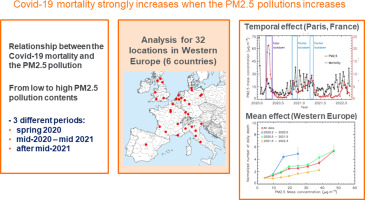
Understanding the Link Between Covid-19 and Air Pollution
Recent studies have highlighted a potential connection between COVID-19 and air pollution, which has sparked widespread interest and concern. As we navigate this global health crisis, it’s essential to examine the relationship between these two factors and explore their impact on human health.
Air pollution, caused by the release of pollutants into the atmosphere, can exacerbate respiratory problems, cardiovascular disease, and even increase the risk of certain infections. COVID-19, caused by the SARS-CoV-2 virus, has become a global pandemic, resulting in millions of cases and thousands of deaths worldwide. The relationship between air pollution and COVID-19 is complex and multifaceted, involving various factors that can influence both the spread and severity of the disease.
The Italian Study: A New Perspective
A recent study published in Environmental Pollution investigated the link between COVID-19 and air pollution in Italy. The research, conducted by the Fondazione CMCC – Centro Euro-Mediterraneo sui Cambiamenti Climatici (CMCC), analyzed data from 107 regions in Italy and found a potential correlation between exposure to air pollutants and COVID-19 incidence, mortality, and lethality.
The study focused on the concentrations of fine particulate matter (PM2.5) and nitrogen dioxide (NO2), two common air pollutants that can affect human health. The researchers found that areas with higher PM2.5 levels had a stronger correlation with COVID-19 cases, suggesting that exposure to these pollutants may have contributed to the spread of the virus.
The Relationship Between Air Pollution and Covid-19: A Closer Look
The study also compared the incidence rates of COVID-19 in three Italian cities: Milan, Bergamo, and Brescia. The results showed that while all three cities experienced similar patterns of air pollution, the rate of COVID-19 cases was lower in Milan.
One possible explanation for this finding is that Milan has implemented stricter regulations on traffic emissions and industrial activities, which may have contributed to a reduction in air pollutants. Another factor could be the city’s geographical location, as it is situated at a higher elevation than Bergamo and Brescia, potentially reducing exposure to polluted air masses.
The Tasso di Incidenza: A Comparison of Covid-19 Cases in Milan, Bergamo, and Brescia
The study also investigated the Tasso di Incidenza (TID), a measure used to describe the incidence rate of COVID-19 cases per unit area. The results showed that while all three cities experienced similar patterns of air pollution, the TID was lower in Milan.
This finding suggests that exposure to air pollutants may be an important factor in determining the spread of COVID-19 in urban areas. By reducing air pollution, cities can potentially mitigate the impact of the virus and protect public health.
What’s Next? Future Research Directions
To further understand the relationship between air pollution and COVID-19, researchers will need to consider additional factors, including population size, ethnicity, hospital bed availability, testing rates, and weather patterns. These variables may help identify more specific correlations and provide a clearer understanding of how air pollution contributes to COVID-19 outcomes.
One potential area of research is the investigation of the role of green spaces in mitigating the effects of air pollution on human health. Studies have shown that proximity to parks and other green areas can reduce exposure to pollutants, improve mental health, and even lower mortality rates.
The Role of Greenpeace: Highlighting the Connection
Greenpeace has long argued that there is a link between air pollution and COVID-19. The organization cites studies from around the world, including one published in ScienceDirect, which suggest that fine particulate matter (PM2.5) can exacerbate inflammation caused by the virus.
In an interview with Environmental Pollution, Dr. Lisa Feldman Barrett, Director of the Center for Integrative Pain Research at Dartmouth Medical School, noted that “the connection between air pollution and COVID-19 is clear. Exposure to pollutants can weaken our immune systems, making us more susceptible to infection.”
Inquinamento in Pianura Padana: The Crucial Role of Intensive Livestock Farming
A study conducted by Greenpeace found that intensive livestock farming is a significant contributor to air pollution in the Pianura Padana region. The research suggests that reducing emissions from agriculture and industry would be essential for mitigating the effects of air pollution on human health.
The study highlighted the importance of adopting sustainable agricultural practices, such as organic farming and agroforestry, which can reduce greenhouse gas emissions and minimize the impact of animal husbandry on air quality.
Conclusion: A Call to Action
The connection between COVID-19 and air pollution is clear. As we move forward, it’s crucial that we adopt measures to reduce air pollution, including increasing regulations on agricultural activities and promoting cleaner transportation methods. The future of humanity depends on our ability to take action and address this pressing issue.
Frequently Asked Questions (FAQs)
- What is the relationship between COVID-19 and air pollution?
Recent studies have suggested that exposure to air pollutants, particularly fine particulate matter (PM2.5) and nitrogen dioxide (NO2), may increase the risk of COVID-19 infection, severity, and mortality.
- How does the Italian study contribute to our understanding of the relationship between COVID-19 and air pollution?
The study provides evidence of a potential correlation between exposure to air pollutants and COVID-19 outcomes in Italy, highlighting the importance of reducing air pollution to mitigate the spread of the virus.
- What are some strategies for reducing air pollution and its impact on human health?
To address air pollution, we need to adopt policies that reduce emissions from agriculture, industry, and transportation. This includes increasing regulations on agricultural activities, promoting cleaner energy sources, and investing in public transportation infrastructure.
- How can individuals contribute to reducing air pollution?
Individuals can make a difference by using public transportation, carpooling, or driving electric or hybrid vehicles. They can also support organizations that promote sustainable agriculture and clean energy practices.
- What are the long-term implications of air pollution on human health?
Air pollution has devastating effects on human health, including increased rates of respiratory diseases, cardiovascular disease, and even death. Reducing air pollution is essential for protecting public health and preventing these negative consequences.
- How can we balance economic growth with environmental protection?
Balancing economic growth with environmental protection requires a multifaceted approach that prioritizes sustainable development and reduces emissions from key sectors like agriculture, industry, and transportation. Governments and businesses must work together to create policies and practices that promote clean air and healthy living.
- What role can technology play in reducing air pollution?
Technology can be a powerful tool in reducing air pollution by promoting cleaner energy sources, increasing energy efficiency, and developing innovative solutions for pollution abatement.
- How can we ensure that our efforts to reduce air pollution are effective and sustainable?
Ensuring the effectiveness and sustainability of air pollution reduction efforts requires collaboration among governments, businesses, and individuals. It also necessitates a commitment to long-term thinking and investment in clean energy technologies and sustainable practices.
Recommendations for Reducing Air Pollution
To mitigate the impact of COVID-19 on human health, it’s essential that we take immediate action to reduce air pollution. Here are some recommendations for reducing air pollution:
- Increase regulations on agricultural activities: Implementing stricter regulations on agricultural practices can help reduce emissions from animal husbandry and farming.
- Promote cleaner energy sources: Investing in renewable energy sources like solar, wind, and hydroelectric power can significantly reduce greenhouse gas emissions.
- Invest in public transportation infrastructure: Developing efficient public transportation systems can reduce the number of private vehicles on the road, decreasing emissions from transportation.
- Implement policies to reduce industrial emissions: Governments can implement policies to reduce emissions from industry, including promoting cleaner production methods and enforcing stricter regulations.
- Support sustainable agriculture practices: Encouraging organic farming and agroforestry practices can help minimize the impact of animal husbandry on air quality.
By working together, we can reduce air pollution and mitigate its impact on human health. The future of humanity depends on our ability to take action and address this pressing issue.


