
If you’ve ever been to a Korean restaurant, chances are you’ve tried kimchi – the spicy, sour, and umami-rich side dish that has taken the world by storm. But have you ever wondered what makes kimchi so special? In this article, we’ll delve into the history, benefits, preparation methods, and recipes of this beloved Korean staple.
What is Kimchi?
Kimchi is a traditional Korean side dish made from fermented vegetables, usually napa cabbage or radishes, seasoned with spices and other ingredients. The word “kimchi” literally means “salted fermented vegetable” in Korean. There are countless varieties of kimchi, but the most well-known is the one made with napa cabbage and Korean chili flakes.
History of Kimchi
Kimchi has a rich history that dates back to the Silla Dynasty (57 BC – 935 AD) in Korea. It was originally served as a side dish to complement the staple food, rice. Over time, kimchi evolved into various regional styles and ingredients, reflecting the country’s diverse geography and cultural influences.
Benefits for Your Health
Kimchi has gained popularity worldwide due to its numerous health benefits. The primary ingredient, napa cabbage, is an excellent source of vitamins K, C, and B6. Fermentation also increases the probiotic content of kimchi, which can aid digestion and boost immunity. Additionally, kimchi is rich in fiber, calcium, iron, and potassium.
The Science Behind Kimchi’s Health Benefits
Fermented foods like kimchi contain compounds that have been shown to:
- Boost the immune system: Probiotics in kimchi help regulate the gut microbiome, which plays a crucial role in fighting off infections.
- Increase antioxidant production: The fermentation process increases the levels of antioxidants, such as vitamins C and E, which protect cells from damage caused by free radicals.
- Support bone health: Calcium and vitamin K in kimchi contribute to strong bones and teeth.
- Aid weight management: Kimchi is low in calories and high in fiber, making it an effective tool for weight loss.
Using Kimchi
Kimchi is often served as a side dish, but it’s also a versatile ingredient that can be used in various dishes, such as soups, salads, and rice bowls. You can enjoy kimchi on its own, paired with other ingredients to create a flavorful snack or meal. Some popular ways to use kimchi include:
- Mixing it into cooked rice
- Adding it to noodle or soup dishes
- Using it as a topping for pancakes or fried eggs
The Art of Kimchi-Making
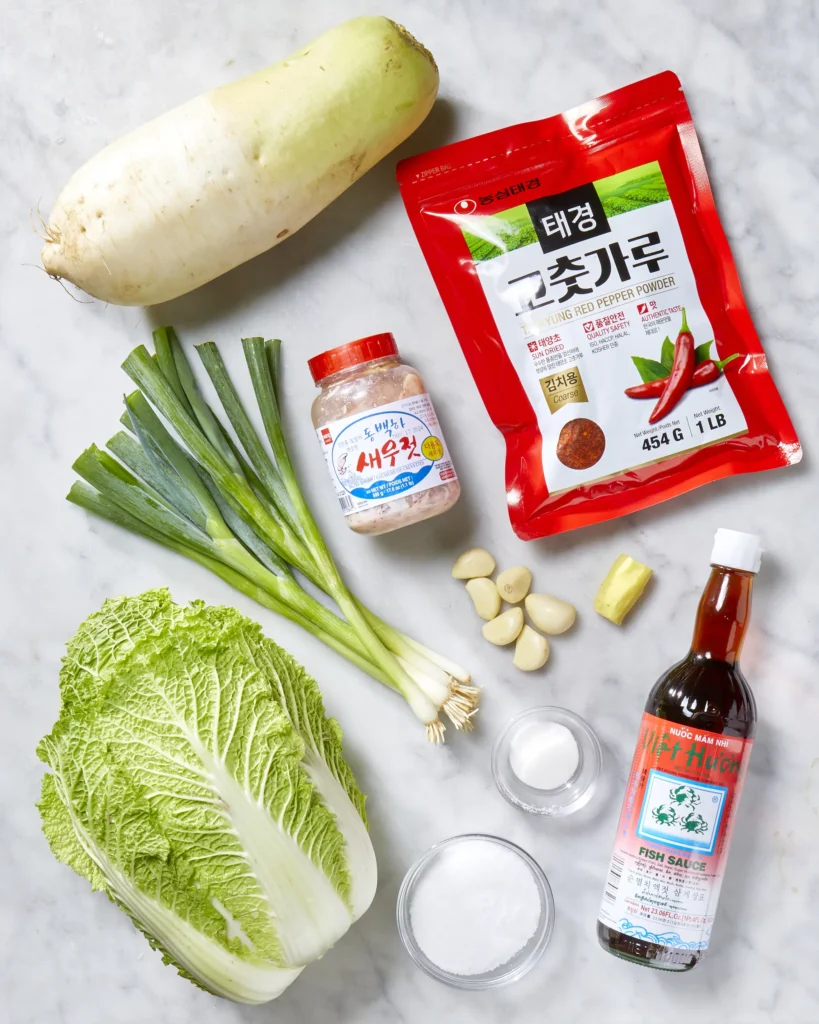
Preparing kimchi is relatively simple, but it does require some time and patience. The traditional method involves salting the cabbage, fermenting it in brine, and then mixing it with spices and other ingredients.
Here’s a basic recipe to get you started:
Ingredients:
- 1.2 kg napa cabbage
- 6-8 Korean chili flakes (gochugaru)
- 3 tablespoons fish sauce
- 2 tablespoons rice vinegar
- 1 tablespoon sugar
- 1 teaspoon grated ginger
- 1/4 cup water
Instructions:
- Cut the cabbage into thin strips and salt it in a bowl for about an hour.
- Rinse the cabbage and drain off excess liquid.
- In a separate bowl, mix together the chili flakes, fish sauce, rice vinegar, sugar, ginger, and water.
- Combine the seasoned brine with the cabbage and let it ferment for at least 24 hours.
- Pack the kimchi into a jar and store it in the refrigerator.
Tips and Variations
- Use a variety of vegetables, such as radishes or cucumbers, to create different types of kimchi.
- Experiment with different spice levels by adjusting the amount of chili flakes.
- Add other ingredients, like garlic or scallions, for added flavor.
- Try using kimchi in place of traditional Korean condiments, like gochujang or ssamjang.
Regional Kimchi Styles
Kimchi comes in many shapes and sizes, reflecting the diversity of Korea’s regional cuisine. Some popular styles include:
- Baechu Kimchi: Made with napa cabbage and Korean chili flakes, this style is a staple in most Korean households.
- Kkakdugi: Radish kimchi is a common variation, often served as a side dish or used in soups and stews.
- Oi-sobagi: Cucumber kimchi is a refreshing summer treat, perfect for hot days.
Kimchi in Modern Cuisine
Kimchi has become increasingly popular worldwide, inspiring chefs to incorporate it into modern dishes. Some creative ways to use kimchi include:
- Kimchi stir-fries: Add kimchi to your favorite stir-fry recipes for an instant flavor boost.
- Kimchi pancakes: Mix kimchi into pancake batter for a spicy and savory breakfast or brunch option.
- Kimchi soup: Use kimchi as a base for soups, stews, or braises for added depth of flavor.
Conclusion
Kimchi is more than just a side dish – it’s a cultural phenomenon that has captured the hearts and taste buds of people around the world. With its numerous health benefits, versatility in cooking, and rich history, kimchi is an essential ingredient for any adventurous cook. Whether you’re a seasoned foodie or a curious beginner, this article has provided you with the tools to explore the wonderful world of kimchi.
Frequently Asked Questions
- What’s the difference between napa cabbage and regular cabbage?
Napa cabbage, also known as Chinese cabbage, is a type of cabbage that is specifically grown for its delicate flavor and crunchy texture. It’s often used in kimchi due to its mild taste and ability to hold up well during fermentation. - Can I use other types of vegetables in place of napa cabbage?
Yes, you can experiment with different vegetables like radishes, cucumbers, or carrots to create unique variations of kimchi. - How long does kimchi last in the fridge?
Kimchi can be stored in the refrigerator for several weeks to months, depending on factors like temperature and fermentation level. - Can I make kimchi at home without special equipment?
Yes, you can prepare kimchi at home using basic kitchen utensils and ingredients. - Is kimchi spicy?
Kimchi can range from mild to extremely spicy, depending on the amount of chili flakes used in the recipe. - How do I get rid of the gas bubbles in my kimchi?
To minimize gas bubbles, try pressing down on the kimchi after fermentation and before storing it in the refrigerator. - Can I freeze kimchi for later use?
Yes, you can freeze kimchi to preserve its flavor and nutritional content, but be aware that it may affect texture and consistency.
We hope this comprehensive guide has inspired you to explore the world of kimchi! Whether you’re a seasoned kimchi enthusiast or just starting your kimchi journey, we invite you to join our community of kimchi lovers. Share your favorite kimchi recipes, tips, and experiences with us, and let’s celebrate the deliciousness of kimchi together!


