
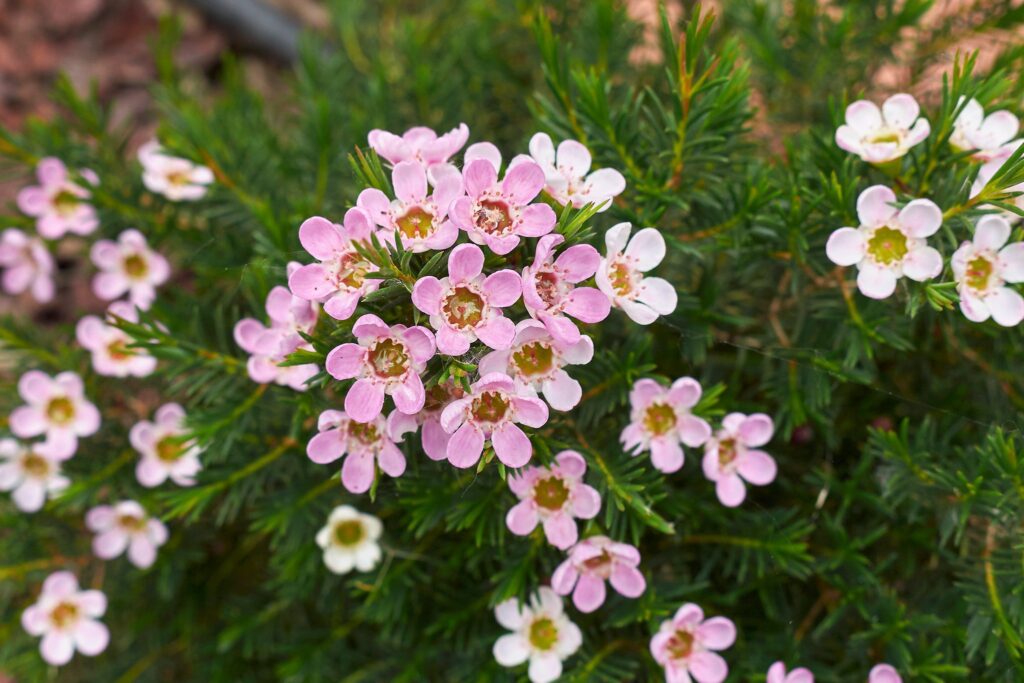
As we explore the world of flowers, it’s easy to get lost in the sea of options. But what if I told you about a plant that stands out from the crowd? Meet the Wax Flower, a unique and versatile plant that will capture your heart with its peculiar appearance and numerous benefits.
What is the Wax Flower?
The Wax Flower, also known as Chamelaucium, is a small shrub native to Australia. Its scientific name is Chamelaucium uncinatum, and it’s a member of the genus Chamelaucium, which includes around 10 species of evergreen bushes. The most common species is C. Uncinatum, with its distinctive white or pinkish flowers that resemble wax.
Characteristics of the Wax Flower
The Wax Flower is an attractive plant with a unique appearance. Its leaves are small and leathery, resembling thin strips of leather. The stems are short and bushy, forming a compact topiary that can grow up to 3 meters tall when planted in the ground or in containers. The flowers themselves are delicate and come in shades of white, pink, and even purple.
The Wax Flower’s leaves contain essential oils with a strong aroma reminiscent of spices and citrus fruits. This fragrant property makes it an excellent choice for floral arrangements and potpourri.
Cultivation Requirements
Growing a Wax Flower is relatively easy. It can thrive in both gardens and containers, but it requires proper care. The plant prefers well-drained soil and full sun exposure. In areas with frost, it’s best to bring the plants indoors during winter or protect them from harsh weather conditions.
The ideal temperature range for the Wax Flower is between 2°C and 25°C (36°F-77°F), making it a great option for indoor gardening. Watering should be moderate, ensuring that the soil isn’t too wet or dry.
Tips for Care
- Provide protection from frost to ensure survival.
- Keep the plant in a spot with full sun exposure.
- Maintain well-drained soil to prevent root rot.
- Water moderately, avoiding overwatering.
Propagation and Multiplication
Propagating the Wax Flower is relatively straightforward. The most common method is by taking stem cuttings, which can be planted in a new pot filled with a mixture of soil and sand. This process requires patience as the plant takes time to root and grow.
To ensure successful propagation, it’s essential to choose healthy stems with plenty of leaves. Cut the stem at an angle using clean pruning tools, making sure not to damage any leaves or buds. Plant the cutting in a well-draining mix, providing enough moisture to support growth. Keep the soil consistently moist but not waterlogged, and you’ll be on your way to growing a thriving Wax Flower.
Unique Benefits
The Wax Flower offers several benefits that make it an excellent choice for gardeners:
- Low maintenance
- Fragrant flowers
- Attractive foliage
- Versatile in arrangements
With its unique appearance, moderate care requirements, and numerous benefits, the Wax Flower is an excellent addition to any garden or indoor space.
Uses in Floral Arrangements
The Wax Flower’s delicate, wax-like petals make it a perfect choice for floral arrangements. Its fragrance and white color create a striking combination that adds elegance to any bouquet. Pair it with other flowers like roses, peonies, or carnations for a unique look that will stand out from the crowd.
Using Wax Flowers in Crafts
The Wax Flower’s leaves and stems can be used in various crafts, such as wreath-making, potpourri, and dried flower arrangements. The leaves’ fragrance makes them perfect for potpourri blends, while the stems can be used to create delicate wreaths or garlands.
Edible Parts of the Wax Flower
While the Wax Flower is primarily valued for its ornamental purposes, its edible parts are also worth mentioning. The flowers, leaves, and stems contain essential oils with a strong aroma reminiscent of spices and citrus fruits. These can be used in cooking and as a natural remedy for various ailments.
However, it’s crucial to note that proper identification is necessary before consuming any plant part. Consult with an expert or conduct thorough research to ensure safe consumption.
Pest and Disease Resistance
The Wax Flower is generally pest- and disease-resistant, making it a low-maintenance choice for gardeners. However, as with any plant, regular monitoring can help prevent problems from arising. Keep an eye out for signs of pests like aphids, whiteflies, or spider mites, and address them promptly to avoid infestation.
Diseases like root rot, leaf spot, or powdery mildew can also affect the Wax Flower. Maintain good hygiene practices, provide proper watering, and ensure adequate air circulation to prevent disease buildup.
Common Problems
Some common issues gardeners may face when growing a Wax Flower include:
- Overwatering: This can lead to root rot, causing the plant to become waterlogged and decline.
- Underwatering: On the other hand, this can cause the leaves to turn yellow or brown due to dehydration.
- Pests: Regular monitoring can help prevent infestations from occurring.
- Diseases: Maintaining good hygiene practices and providing proper care can prevent disease buildup.
Conclusion
The Wax Flower is a unique and versatile plant that offers numerous benefits for gardeners and flower enthusiasts alike. With its distinctive appearance, low maintenance requirements, and fragrant flowers, it’s an excellent choice for any indoor or outdoor space.
By understanding the cultivation requirements, propagation methods, and uses in floral arrangements, you can unlock the full potential of this remarkable plant. Whether you’re looking to add a touch of elegance to your garden or simply want to learn more about this fascinating plant, the Wax Flower is sure to captivate your heart and inspire your creativity.
FAQs
- What is the best way to propagate a Wax Flower?
The best method for propagation is by taking stem cuttings, which can be planted in a new pot filled with a mixture of soil and sand. - How often should I water my Wax Flower?
Watering should be moderate, ensuring that the soil isn’t too wet or dry. - Can I grow a Wax Flower indoors?
Yes, the Wax Flower can thrive indoors as long as it receives proper care, including protection from frost and well-drained soil. - Are there any specific temperature requirements for the Wax Flower?
The ideal temperature range is between 2°C and 25°C (36°F-77°F), making it suitable for indoor gardening. - Can I use the leaves of the Wax Flower for medicinal purposes?
There isn’t enough scientific evidence to support using the leaves for medicinal purposes. However, they do contain essential oils with a strong aroma reminiscent of spices and citrus fruits.
The Wax Flower is a unique and versatile plant that offers numerous benefits for gardeners and flower enthusiasts alike. With its distinctive appearance, low maintenance requirements, and fragrant flowers, it’s an excellent choice for any indoor or outdoor space.


