
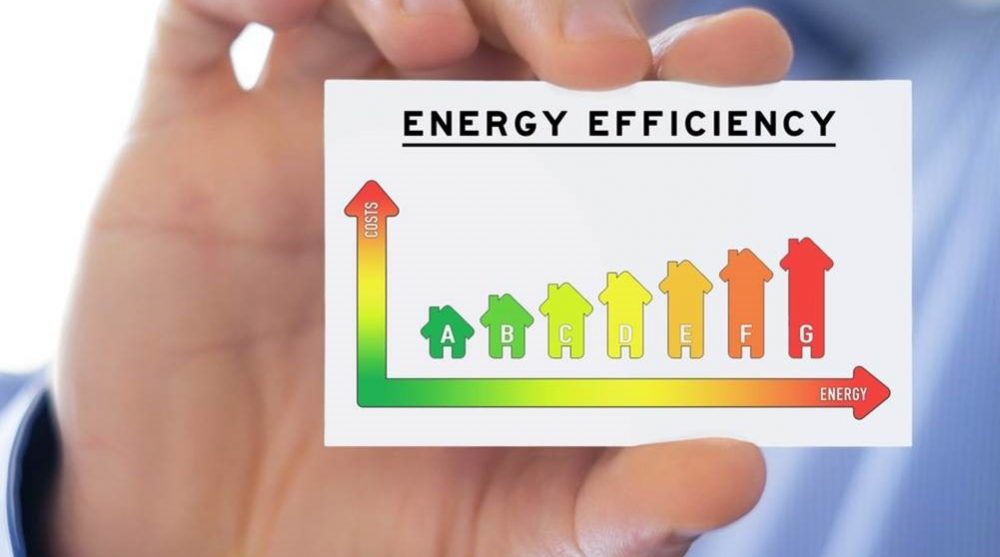
The European Union has recently adopted the Directive on Energy Efficiency, which aims to reduce energy consumption and increase energy savings across all Member States. This directive is expected to make a significant impact on the EU’s overall energy consumption, with estimates suggesting a reduction of 20% by 2025.
Understanding the Directive
The Directive sets out specific measures that Member States must implement to achieve this goal. These measures include:
- Mandatory energy-saving measures: Each Member State is required to take action to reduce its energy consumption, including measures such as insulation, window replacement, and efficient lighting.
- Public building renovation: Member States must prioritize the renovation of public buildings, focusing on those with a surface area of over 500 square meters.
- Pilot initiatives for small public buildings: Smaller public buildings (over 250 square meters) will also be included in the directive’s requirements from July 2015.
- Regular energy audits: Large enterprises must undergo regular energy audits, conducted every four years. These audits will help identify areas where energy savings can be made.
Implementation Timeline
To ensure a smooth transition to more energy-efficient practices, the EU has established a specific implementation timeline:
- The first round of public building renovations is expected to begin in 2014.
- Small public buildings (under 250 square meters) will be included in the directive’s requirements from July 2015.
- Energy audits for large enterprises are set to begin in 2016.
Benefits and Challenges
While the Directive on Energy Efficiency presents several opportunities, it also raises concerns about its potential impact. Some argue that the directive is too lenient, while others believe it will be a game-changer for the EU’s energy landscape.
One of the key benefits of this directive is that it could lead to significant cost savings for businesses and households alike. In fact, estimates suggest that implementing these measures could save the EU up to €50 billion per year.
However, some critics question whether the directive will be effective in achieving its goals. Some argue that it may not go far enough in addressing energy consumption, particularly among smaller public buildings.
Conclusion
The Directive on Energy Efficiency is a crucial step towards creating a more sustainable future for Europe. By implementing these measures, we can reduce our reliance on imported energy sources and create new job opportunities in the process. While there are challenges ahead, the potential benefits of this directive make it an essential component of the EU’s energy policy.
Frequently Asked Questions
- What is the goal of the Directive on Energy Efficiency?
The goal of the Directive on Energy Efficiency is to reduce energy consumption and increase energy savings across all Member States, with estimates suggesting a reduction of 20% by 2025. - Which Member States must implement energy-saving measures under the directive?
All Member States are required to implement energy-saving measures as outlined in the directive. - When will small public buildings be included in the directive’s requirements?
Small public buildings (under 250 square meters) will be included in the directive’s requirements from July 2015. - How often must large enterprises undergo energy audits?
Large enterprises must undergo regular energy audits, conducted every four years. - What are some potential benefits of implementing energy-efficient practices under this directive?
Implementing energy-efficient practices under this directive could lead to significant cost savings for businesses and households alike, with estimates suggesting up to €50 billion per year in savings. - Could the Directive on Energy Efficiency lead to significant cost savings for businesses and households?
Yes, the Directive on Energy Efficiency could lead to significant cost savings for businesses and households, particularly those that implement energy-saving measures such as insulation, window replacement, and efficient lighting. - Are there any concerns about the effectiveness of this directive in achieving its goals?
Some critics argue that the directive may not go far enough in addressing energy consumption, particularly among smaller public buildings. - How will the implementation of this directive impact the EU’s reliance on imported energy sources?
The implementation of this directive could reduce the EU’s reliance on imported energy sources by encouraging the use of renewable energy sources and increasing energy efficiency in buildings and industries.
Implementing Energy Efficiency: A Step-by-Step Guide
To ensure a smooth transition to more energy-efficient practices, it is essential to follow these steps:
- Conduct an energy audit to identify areas where energy savings can be made.
- Implement energy-saving measures such as insulation, window replacement, and efficient lighting.
- Prioritize the renovation of public buildings, focusing on those with a surface area of over 500 square meters.
- Include smaller public buildings (under 250 square meters) in pilot initiatives for energy efficiency.
- Regularly conduct energy audits to identify areas where energy savings can be made.
Conclusion
The Directive on Energy Efficiency is a crucial step towards creating a more sustainable future for Europe. By implementing these measures, we can reduce our reliance on imported energy sources and create new job opportunities in the process. While there are challenges ahead, the potential benefits of this directive make it an essential component of the EU’s energy policy.
Additional Resources
For those interested in learning more about the Directive on Energy Efficiency, here are some additional resources:
- The European Commission’s website provides detailed information on the Directive and its implementation timeline.
- The International Energy Agency (IEA) offers guidance on energy efficiency and sustainable development.
- The European Environment Agency (EEA) provides data on energy consumption and emissions across all Member States.
References
- European Commission. (2013). Directive 2012/19/EU of the European Parliament and of the Council on the energy efficiency of buildings.
- International Energy Agency (IEA). (2020). Energy Efficiency Market Report 2020.
- European Environment Agency (EEA). (2020). Energy consumption in the EU.
Future Directions
As we move forward, it is essential to continue monitoring and evaluating the impact of the Directive on Energy Efficiency. Some potential future directions include:
- Encouraging the use of renewable energy sources and increasing energy efficiency in buildings and industries.
- Developing new technologies and strategies for improving energy efficiency.
- Implementing policies and regulations that promote energy efficiency and reduce greenhouse gas emissions.
By working together, we can create a more sustainable future for Europe and reduce our reliance on imported energy sources.


