
Cauliflower, also known as “dietetica” due to its high nutrient content and low calorie count, is a versatile vegetable that can be enjoyed not only in the winter months but also throughout the year. In this article, we will explore the benefits of cauliflower, its characteristics, nutritional value, recipes, and uses.
Characteristics of Cauliflower
When purchasing cauliflower, it’s essential to check for its shape and consistency. Look for compact, firm heads with tightly closed buds and no signs of decay. The flower head should be firm to the touch, with a slight crunch when bitten into. Avoid cauliflower that is soft, mushy, or has brown spots.
Nutritional Value
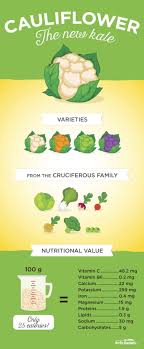
Cauliflower is a low-calorie vegetable that provides a satisfying feeling without consuming too many calories. One cup of cauliflower contains only 25 kcal, making it an excellent addition to your diet. It is also rich in essential nutrients such as potassium, calcium, phosphorus, and iron, as well as vitamins C and K.
Anticancer and Antioxidant Properties
Cauliflower contains a range of compounds with anticancer and antioxidant properties, including sulforaphane, indoles, and glucosinolates. These compounds have been shown to have anti-inflammatory effects, protect against cell damage, and may help prevent certain types of cancer.
Benefits for Health
The benefits of cauliflower extend beyond its nutritional value and potential health benefits. Eating cauliflower regularly can:
- Help regulate blood sugar levels in people with diabetes
- Aid in the prevention of colon cancer and ulcers
- Support overall gut health through the consumption of prebiotic fiber
Delicious Recipes to Enjoy Cauliflower
While cauliflower may not be the most exciting vegetable on its own, it can be transformed into a variety of dishes that are both healthy and delicious. Some popular recipes include:
- Cauliflower polpette: A classic Italian recipe featuring cauliflower florets coated in breadcrumbs and cheese, then baked or fried until crispy.
- Cauliflower gratin: A creamy, comforting dish made with roasted cauliflower, cheese, and cream.
- Cauliflower mousse: A light and airy dessert made from pureed cauliflower, cheese, and lemon juice.
Culinary Uses
In addition to its nutritional value and potential health benefits, cauliflower is a versatile ingredient that can be used in a variety of dishes, including:
- Soups and stews: Cauliflower adds a delicious flavor and texture to soups and stews.
- Salads and slaws: Roasted or steamed cauliflower makes a great addition to salads and slaws.
- Stir-fries and sautés: Cauliflower can be stir-fried with your favorite ingredients for a quick and easy meal.
- Breaded and fried as a side dish: Cauliflower florets coated in breadcrumbs and cheese make a delicious side dish.
Conclusion
Cauliflower is a nutritious and delicious vegetable that offers numerous health benefits and culinary possibilities. Its low calorie count and high nutrient content make it an excellent addition to any diet, while its versatility in the kitchen ensures that it can be enjoyed in a variety of ways.
Frequently Asked Questions (FAQs)
- Is cauliflower suitable for everyone?
Cauliflower is generally safe to consume for most people, but individuals with hipothyroidism should avoid eating raw or undercooked cauliflower.
2. How often should I eat cauliflower?
Aim to include cauliflower in your diet at least 2-3 times a week for optimal health benefits.
3. Can I grow my own cauliflower?
Yes, cauliflower can be grown from seeds and is relatively easy to cultivate in a garden or container.
4. What are some potential side effects of eating too much cauliflower?
Excessive consumption of cauliflower may lead to an imbalance of certain nutrients, such as vitamin K and potassium.
5. Can I use cauliflower in place of other vegetables?
While cauliflower can be used in many recipes, it has a unique texture and flavor that may not replace other vegetables entirely.
Recommended Reading:
- “Faccia di Cavolfiore” by Roberta Fasanotti and Elena Baboni
- “The Benefits of Cauliflower” by Dr. Andrew Weil
In addition to the recommended reading, there are many more resources available for learning about cauliflower and its uses in cooking. By incorporating cauliflower into your diet and exploring new recipes and culinary techniques, you can enjoy the benefits of this nutritious and versatile vegetable.
Additional Tips:
- Pair cauliflower with other vegetables: Cauliflower is a great base for salads, stir-fries, and roasted vegetable dishes.
- Experiment with different seasonings: Cauliflower absorbs flavors well, so try adding your favorite herbs and spices to give it an extra boost of flavor.
- Try different cooking methods: Roasting, steaming, sautéing, and baking are all great ways to prepare cauliflower for a delicious meal.
By following these tips and exploring new recipes and culinary techniques, you can enjoy the many benefits of cauliflower in your diet.


