
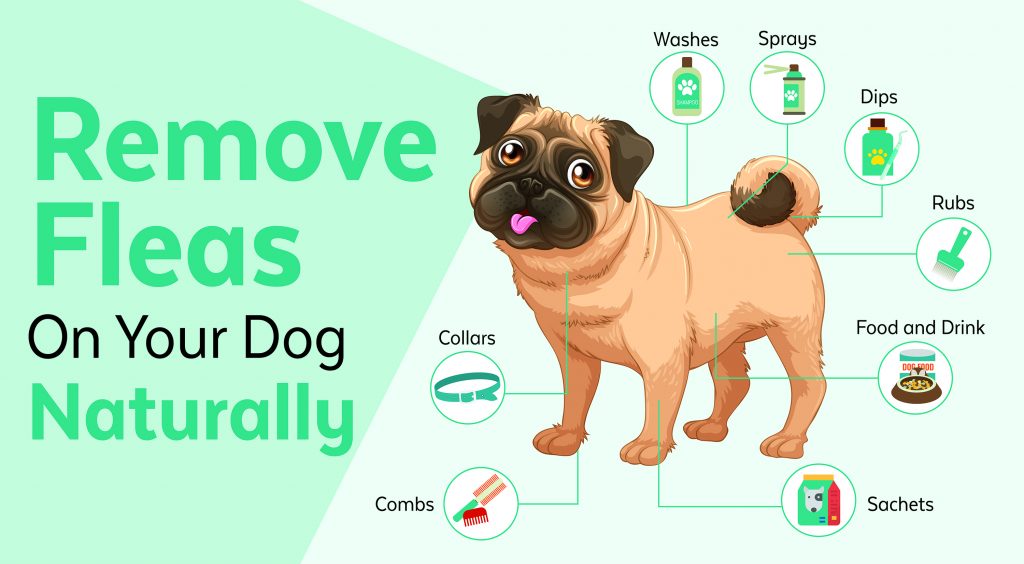
As the weather warms up, so do fleas. These pesky parasites can quickly infest your furry friend, causing discomfort and distress. But don’t worry, there are plenty of natural remedies you can use to get rid of them. In this article, we’ll explore the best ways to eliminate fleas from your dog’s coat without resorting to harsh chemicals.
Understanding Flea Life Cycle
Before we dive into the remedies, it’s essential to understand how fleas reproduce. Adult fleas lay eggs that hatch into larvae, which then grow into adult fleas. This cycle can be repeated multiple times, making it challenging to eliminate them completely.
However, by understanding this life cycle, you can develop a strategy to stop flea infestations from spreading. Here are some key points to keep in mind:
- Adult fleas typically live for 2-3 months.
- Flea eggs can survive for several weeks without hatching.
- Larvae feed on the host’s skin cells and blood, which helps them grow.
Natural Remedies for Flea-Infested Cots and Furniture
Fleas can also infest your home, particularly in areas where your dog spends most of its time. To get rid of them naturally, try the following methods:
- Vacuum regularly with a HEPA-filter vacuum cleaner: This is an effective way to remove fleas and their eggs from carpets, rugs, and upholstered furniture.
- Use baking soda to absorb odors and dehydrate fleas: Sprinkle baking soda liberally on surfaces where fleas have been spotted. Allow it to sit for a few hours before vacuuming up the powder. The baking soda will help neutralize the flea’s acidity and dehydrate them, making it easier to eliminate them.
- Wash fabrics and bedding in hot water (at least 120°F) and dry on high heat: Regularly washing your dog’s bedding, blankets, and any washable toys can help prevent fleas from infesting these areas.
Natural Remedies for Flea-Infested Dogs
Here are some natural remedies you can try on your dog:
- Apple Cider Vinegar Spray: Mix equal parts apple cider vinegar, water, and shampoo to create a spray that repels fleas. Apply the solution directly to your dog’s coat and let it sit for a few minutes before rinsing thoroughly.
- Baking Soda Shampoo: Add 1 cup of baking soda to your dog’s regular shampoo for an effective flea-eliminating treatment. The baking soda will help neutralize the flea’s acidity and dehydrate them, making it easier to eliminate them.
- Flea Comb with Cedar Oil: Dip the comb in cedar oil and gently run it through your dog’s coat to remove fleas and their eggs.
Natural Remedies for Flea Prevention
Prevention is key when it comes to dealing with fleas. Here are some natural methods to help prevent infestations:
- Use Diatomaceous Earth: Sprinkle diatomaceous earth on your dog’s fur or in areas where they spend most of their time. The powder will dehydrate and kill any fleas that come into contact with it, preventing them from reproducing.
- Use Essential Oils: Certain essential oils, such as lavender and tea tree oil, have natural flea-repelling properties. Mix a few drops with your dog’s shampoo or use it as a spray to help repel fleas.
Flea-Repelling Herbs and Plants
In addition to the above remedies, there are several herbs and plants that can help repel fleas:
- Lavender: Lavender oil has natural flea-repelling properties and can be used in shampoos or sprays.
- Rosemary: Rosemary essential oil can also be used as a flea repellent when mixed with other oils.
- Catnip: Believe it or not, catnip is actually quite effective at repelling fleas. Mix dried catnip leaves into your dog’s bedding or use them in a spray to help deter fleas.
Conclusion
Eliminating fleas from your dog’s coat can be challenging, but it’s not impossible. By understanding the flea life cycle and using these natural remedies, you can create a comprehensive plan to get rid of them for good.
FAQs:
- What are some common signs of flea infestation in dogs?
- Excessive scratching
- Redness and irritation on the skin
- Flea dirt (tiny black specks)
- How often should I vacuum my home to get rid of fleas?
- Daily or every other day during peak flea season.
- What are some natural remedies for flea-infested dogs?
- Apple cider vinegar spray
- Baking soda shampoo
- Flea comb with cedar oil
Additional Tips:
- Regular grooming is essential to preventing flea infestations. Brush your dog regularly, and check their coat for any signs of fleas or ticks.
- Consider using a flea preventative medication to help prevent infestations.
- Wash your dog’s bedding frequently to prevent the buildup of flea eggs.
Conclusion
Getting rid of fleas from your dog can be challenging, but it doesn’t have to be impossible. By understanding the life cycle of these pesky parasites and using natural remedies, you can create a comprehensive plan to eliminate them for good. Remember to always consult with a veterinarian before trying any new treatments or medications on your dog.
References:
- American Kennel Club (AKC). (2022). Fleas and Ticks.
- National Research Council (NRC). (2006). Nutrient Requirements of Dogs.
- Cornell University College of Veterinary Medicine. (2022). Fleas and Flea Control.
By following these tips and using the natural remedies outlined in this guide, you can help keep your dog free from fleas for good.


