
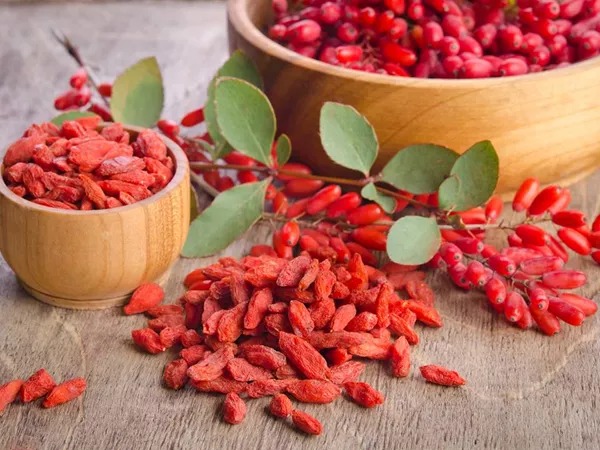
Understanding the Benefits and Risks of Goji Berries
As a natural food, Goji berries have gained popularity in recent years due to their potential health benefits. However, like any other food, they come with some risks and contraindications. In this article, we will delve into the world of Goji berries, exploring their properties, benefits, and potential drawbacks.
What are Goji Berries?
Goji berries are a type of fruit that originated in Tibet. They are rich in vitamins, minerals, and antioxidants, making them an excellent energy-boosting snack. These small, red fruits contain a wealth of nutrients, including:
- Vitamins A and C
- All the B vitamins
- 18 amino acids
- Sterols and fatty acids
- Flavonoids and carotenoids
Benefits of Goji Berries
Goji berries have been touted as a natural multivitamin, providing an energy boost and supporting overall health. Some of the key benefits include:
- Boosts immune system: The 4 polysaccharides in Goji berries can help increase the body’s defenses against infections.
- Supports anti-aging: Rich in antioxidants, Goji berries may help reduce inflammation and promote healthy aging.
- Satisfying snack: With their sweet and slightly tart taste, Goji berries make an excellent base for a healthy snack.
Potential Drawbacks of Goji Berries
While Goji berries are generally considered safe to eat, there are some potential drawbacks to be aware of:
- Interactions with medications: Certain medications, such as blood thinners, may interact with the compounds in Goji berries.
- Allergic reactions: Some people may be allergic to Goji berries, which can cause a range of symptoms from mild discomfort to life-threatening reactions.
Goji Berries and Pregnancy
While there is currently no conclusive evidence that Goji berries are harmful during pregnancy, it’s always best to consult with a healthcare provider before consuming them. As they contain high levels of selenium, which may be toxic in large quantities, caution is advised.
Precautions for Women with Hypothyroidism
If you have hypothyroidism (an underactive thyroid gland), Goji berries may not be the best choice. The selenium content in Goji berries can interfere with thyroid function, potentially exacerbating symptoms of hypothyroidism.
Goji Berries and Medications for High Blood Pressure
If you have high blood pressure and take medication, you should exercise caution when consuming Goji berries. Some medications for high blood pressure may interact with the compounds in Goji berries, leading to an unintended drop in blood pressure.
The Role of Goji Berries in Exercise Recovery
Some athletes swear by Goji berries as a natural energy booster during intense workouts. However, it’s essential to note that while they can provide a temporary energy boost, they may not be enough to sustain prolonged physical activity.
Frequently Asked Questions (FAQs)
Here are some common questions about Goji berries:
-
Are Goji berries safe to eat?
- Yes, but as with any food, it’s essential to consume them in moderation and be aware of potential allergies or interactions.
-
Can I take Goji berries if I have diabetes?
-
Consult with a healthcare provider before consuming Goji berries, as they may interact with certain medications used to manage blood sugar levels.
-
Are Goji berries suitable for people with high blood pressure?
-
If you’re taking medication for high blood pressure, exercise caution when consuming Goji berries, as they may interact with your medication.
-
Can I eat Goji berries if I’m pregnant or breastfeeding?
-
As a precaution, consult with a healthcare provider before consuming Goji berries during pregnancy or breastfeeding.
In conclusion, while Goji berries are a nutritious and delicious addition to a healthy diet, it’s crucial to be aware of their potential risks and contraindications. By understanding the benefits and drawbacks of these small, red fruits, you can enjoy them in moderation while maintaining optimal health.


